alcohol – Page 9 – Nick Grant

Tag: alcohol

  • Alcohol as a Mood Regulator

    This is a story about counterintuitive results…

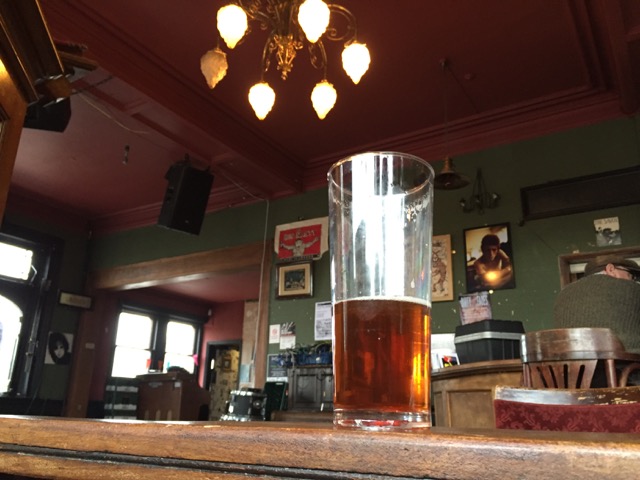
    Pint in the pub

    Conventional wisdom tells us that sobriety is the route to salvation. If you’re being treated for substance dependency, most approaches are abstinence-based. But what if these approaches are totally wrong?

    I had ‘too much‘ to drink last night, but yet this morning I was on time to work for the first time in ages. I was also on top form during a 2 hour meeting that was highly pressured and intense. Clearly my work performance, my productivity, was improved by alcohol, rather than hindered.

    Alcohol works for me as a substance that I can titrate the dose of to control my mood fluctuations. When I quit drinking last year, my anxiety levels became unbearable after 30 days sober, and I had to go into hospital and be on suicide watch. I then went hypomanic and quit a well paid job, and did a bunch of other mad shit, before finally relapsing onto hard drugs and slashing my forearms with a razor blade, after 101 days sober. Hardly an encouraging result.

    The fact of the matter is: my job is boring and shit. My life is empty, unfulfilling and stressful. Of course I need something to help me cope with an intolerable daily existence. How the hell am I supposed to get through the crap I’m going through without a chemical crutch.

    Just about everybody you know has some kind of substance that they depend upon to cope with modern life. Maybe it’s antidepressants, sleeping pills, tranquillisers, opiates. Maybe it’s cigarettes, tea, coffee, coca-cola, Red Bull, beer, wine, spirits. Maybe it’s cannabis, cocaine, amphetamines, heroin, MDMA, GHB, M-CAT or any one of the myriad other legal and illegal drugs. Humans love drugs.

    Clearly, I know what my ‘drug of choice‘ is, and I know that there’s no way that I can use it in moderation. Thankfully, alcohol is not something that I’ve struggled to live without, except where life choices that are forced upon me – such as having to work a shitty job – demand that I find some kind of coping mechanism.

    I don’t have any kids or pets, so I get no natural endorphins. I don’t have any time or money to pursue sports or go to the gym, so I get no natural endorphins and adrenalin boosts. My job is dull as ditch water, so I don’t even get any kind of thrill from my work.

    But, good news! I’ve found a formula that worked for me for years & years & years & years: self-medication with alcohol.

    Yes! Hurrah for alcohol. It kept the lid on my hypomanic episodes for years.

    Basically, the reality that we must all face up to, is that modern life is so fucking shit that we’ve all got to be drugged up and drunk to get through it.

    I could get my cat back from my parents, and get some plants to water and care for. I can soon get a car and some new kites, and go and get my adrenalin and endorphin fix at the beach. However, without those things, I’m forced into puting chemicals into my body, to allow me to keep my shitty job and keep functioning in this crazy society that values corporate profits more than mental health.

    My life really sucks, but I’d rather drink a few bottles of wine and keep my highly lucrative contract, so I can escape the rat race at some point, rather than have another repeat of last year’s failed experiment.


    Tags:

  • Advertising my Addiction

    This is a story about avoiding anonymity…

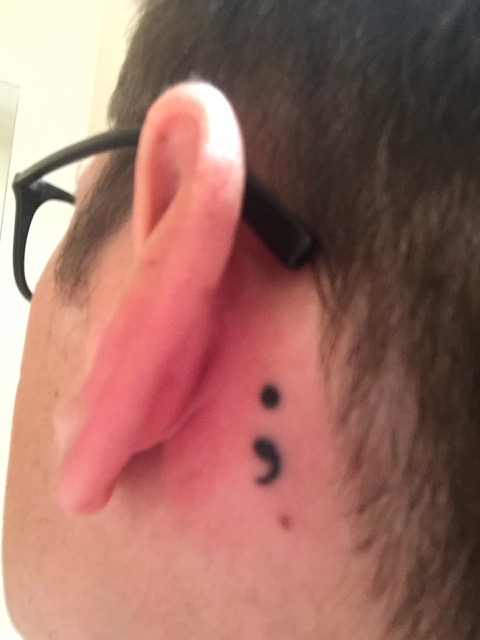
    Semicolon Tattoo

    Alcoholics Anonymous, Narcotics Anonymous, Cocaine Anonymous, Crystal Meth Anonymous, Gamblers Anonymous, Overeaters Anonymous, Sex Addicts Anonymous. Why are you hiding in anonymity?

    I feel like former addicts are cowering in shame, fearful that the world might discover their dirty little secrets. People are tucked away in church halls, community centres and other meeting places. Tea and biscuits are served, and the ostracised members of society discuss the trials and tribulations of sobriety and abstinence, amongst their peers.

    I’ve been to my fair share of 12-step meetings, and I know the format, the stories. I know that people are grateful to “the fellowship” for the lifeline they’ve been given. People reel off the number of days they’ve been clean & sober, and collect some kind of token for significant periods of time – 30 days, 90 days, 1 year etc. – as well as receiving a round of applause from the audience.

    Families are quick to take advantage of a weakness, and to blame one member for their own shortcomings and failures. The addict or alcoholic is a convenient scapegoat, whenever things are not going exactly swimmingly for the family. Transferring all your guilt, as a failed parent, as a terrible partner, as an impotent sibling, onto a designated individual, is a damnsight easier than taking any individual or collective responsibility. Victim blaming is convenient.

    Friends don’t really want to get involved. When the chips are down, you’ll find that most of your buddies are actually fair-weather friends. Very few people actually want to stick around when shit gets ugly. All those people who you thought were like your brothers and sisters… when the cash runs out and the drugs & alcohol run dry, you find yourself quite shockingly alone.

    Providing peer-to-peer support, from one black sheep to another, is a genius stroke. Amongst those who have fallen, you’re all equals. Everybody is tarred with the same brush. You can’t bullshit a bullshitter, and so you’re stripped of all the usual protocol that has to be observed as an addict or an alcoholic, in order to elicit human empathy that should be taken for granted.

    If you tell somebody that some tragedy has happened to you, and you’ve fallen on hard times, sympathy is forthcoming as long as you’re “clean & sober” but as soon as substance abuse enters the picture, suddenly your woes are believed to be self-inflicted, and therefore you’re not a ‘worthy‘ cause. The suffering addict or alcoholic has to start with a preamble, where you attempt to convince a hostile world that you’re abstinent from the very things that comfort you, when you’ve been kicked to the gutter by society, friends and family.

    Of course, it’s enticing, to cluster together in groups of similarly excluded and misunderstood people. There’s so much in common with these people, in particular the prejudice that you face on a daily basis. People talk about ‘dirty’ junkies, ‘winos’, ‘drunks’, ‘tramps’ and other derogatory terms. How quickly forgotten, the fact that at one time these trampled individuals were once somebody’s cute little baby or smiling child in a school photograph.

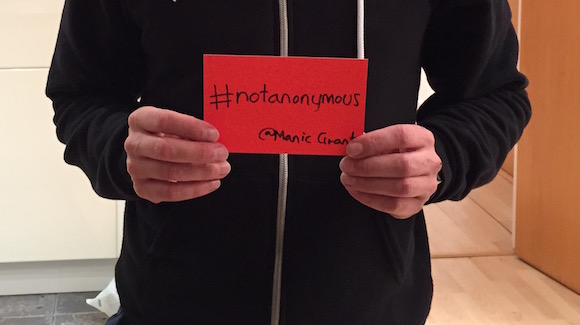
    Not Anonymous

    The reasons for retreating into anonymity are obvious. Who’s going to employ a former junkie? Who wants to live next door to a former addict? Who would trust their kids near a former alcoholic? Who would waste their time talking to a former pill popper?

    When you hide the things that trigger people’s prejudices, surprisingly they discover that they can actually get along with each other, they can like each other, and live together, despite the shocking stuff that happened in the past. When you go to an Anonymous meeting, you hear some hair-raising stories of the depths that people can sink to… but they’re still people. We all bleed the same. We are all subject to the same weaknesses, the same faults.

    I think that society is weakened when we allow the media to continue to portray an increasingly demonic view of the ‘dirty junkie‘ while at the same time the fallen angels hide themselves from public view. When it becomes “us” and “them” and nobody’s standing up and saying “I’m normal, just like you – we are the same” then the good vs. evil bullshit is allowed to perpetuate.

    Isn’t the whole point of rehabilitation to reintegrate into society? I don’t consider it recovery, to have to stick amongst my ‘own people‘, who are merely those who have been labelled and cast out of society due to life ‘choices‘ that they made.

    Do I really want a life of having to go to meetings, praising the fellowship, and sponsoring other “recovering” addicts and alcoholics? I hate that word – “recovering” – in the context of addiction and alcoholism. When do you become recovered? As far as I can see, the whole bullshit of a society hell-bent on labelling people, means that former addicts and alcoholics will never be considered recovered. They’ll always be labelled. They’ll always carry a black mark.

    So, I’ve marked myself. The semicolon tattoo behind my ear tells the world that I’ve struggled with depression, suicide attempts, and then later, drug and alcohol abuse problems. And you know what? I still drink too much. I still take stimulants and ‘downers‘. Is it abuse, addiction? Is it fuck. We’re all just doing what we’ve gotta do to survive.

    Part of survival for me is making life bearable. Of course people who are abused and mistreated are going to self-medicate. Of course people who have unbearable lives are going to reach out for whatever makes life a little bit easier.

    Frankly though, if we’re serious about treating each other well, helping each other, we could start by letting people be honest about their ‘mistakes‘ and past misdemeanours.

    I’m taking a big risk, by having myself so obviously marked, labelled. I’m taking a big chance, having a public blog in my own name, covered with photos of myself, and making full disclosure of my entire history of mental health problems and substance abuse. It’s either a gutsy or a stupid thing to do, but I hope it’s the former, not the latter.

    Somebody has to stand up and be heard, because silent and anonymous addicts and alcoholics are too much of a convenient group to scapegoat for the world’s problems, when in fact the existence of substance abuse is symptomatic of a depressing, lonely and abusive world, full of hateful humans who have no empathy for one another.

    While I don’t advocate the use of drugs and alcohol, I strongly believe that people who have had to suffer should no longer have to hide in the shadows, and be punished additionally for their pain.

    The burden that the addict or alcoholic must carry is more than any man or woman could possibly manage, and that’s not fair.

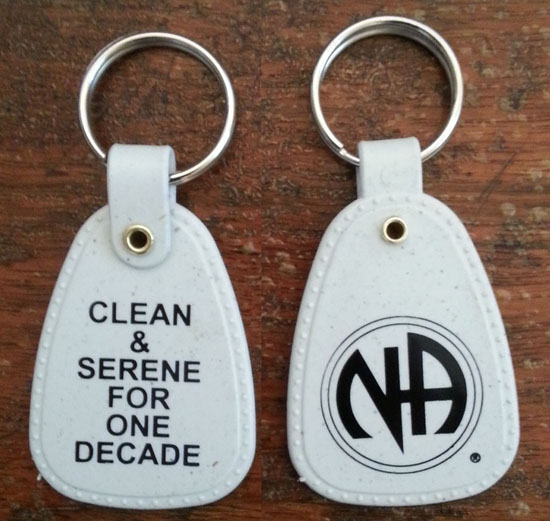
    Clean and Serene

    Do you think I give a shit about how long I’ve been ‘clean’ for? I was never ‘dirty’ in the first place.

    Tags:

  • Psychiatrists Hate This One Weird Trick

    This is a story about what happened next…

    Shake your meds

    Ordinary person discovers this one weird trick. When they saw what happened next, they were AMAZED!!!

    So, I’ve been accused of being anti-psychiatry, but in fact I’m not. The discovery of chemicals that can cross the blood-brain barrier and affect your perception of the world, has been incredibly important for the understanding of neurological functions, as well as the pathology of mental illness. It’s also true that pharmacological interventions are priceless during episodes that would otherwise be unmanageable.

    For the record, my own diagnoses have included:

    • Clinical depression
    • Type II Bipolar Disorder
    • Anxiety
    • Stress
    • Borderline Personality Disorder (BPD)

    I’ve been treated with:

    • Antidepressants
    • Antipsychotics
    • Mood stabilisers
    • Anxiolytics / hypnotic sedatives
    • Sleep aids

    Then having read a meta-analysis of psychiatric treatment outcomes by Robert Whittaker in his books Mad in America and Anatomy of an Epidemic, I decided to embark upon an unethical study, with me as the test subject. I decided to go completely unmedicated.

    The general public often associate unmedicated mental health patients with some wild-eyed looney, who has slipped their straightjacket, ducked the tackles of the hospital orderlies and legged it out of some mental health institution. There is an assumption that people with mental health problems are homicidal maniacs, and a danger to the public. I’m here to dispel that myth.

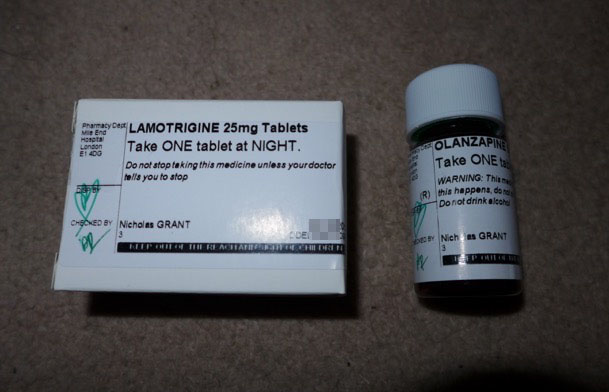
    Going unmedicated is not something I would ever advocate. The withdrawal effects from psychiatric medication are likely to be severe and unpredictable. It’s not something that should ever be done without consulting your doctor. However, I did it, and this is my account of what happened.

    Firstly, coming off medication is hard. Really hard. I’ve had comedowns from drug abuse that haven’t been as bad as coming off anxiety medications, for example. What goes up must come down, and there’s no avoiding the fact that coming off a ‘feel good‘ medication means that you are going to feel bad. Really bad.

    Fundamentally, that’s why many of us take medication, isn’t it? To feel normal. To feel better than we would do without it. That’s certainly how I got mixed up in the whole world of mental health in the first place… because I felt terrible. I was exhausted and suicidal and depressed and demotivated and I didn’t enjoy anything. I needed happy pills, because all my happy had leaked away somewhere, and I was just spending 14 to 16 hours a day asleep, and the rest of it in bed hoping that the world would go away.

    The thing is, the unnatural ‘happy‘ pills destabilised me, and my mood then swung too happy, and entered a mood cycle of alternating periods of depression and hypomania. Enter the mood stabilisers. It’s starting to sound like a story about the old woman who swallowed a fly, isn’t it? For those who are unfamiliar with the story, she then swallowed a spider to catch the fly, and then something else to catch the spider and so on, until she swallowed something so large it killed her.

    The problem with trying to treat human moods with medications is that the brain has evolved to be homeostatic. That is to say, the brain has evolved its own mechanisms to maintain stability, and anything you introduce artificially will quite naturally destabilise those systems.

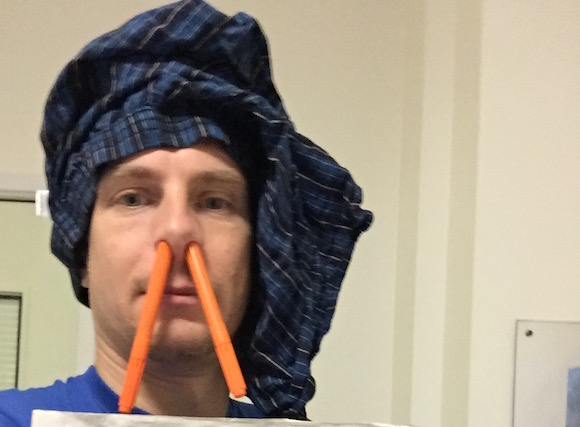
    Underpants on the head

    The stability of your moods can also be destabilised by supposedly normal things. We are all supposed to be able to cope with the pressure of exams, work, domestic duties and so on, but for some of us, it will all become too much. Is this mental illness, or are these ‘nervous breakdowns‘ actually something that threaten to blight the lives of every single person? Is it a lottery as to whether the stress will become overwhelming?

    I self-medicated for stress for years, using copious amounts of alcohol. Of course, at work you then have to compensate for the foggy mind caused by a hangover, so you start to drink strong coffee. I was probably having the equivalent of about 12 shots of espresso every single day. The amount of caffeine contained in those shots was practically the same as being an amphetamine addict, and indeed my boss at the time – who got me into this destructive lifestyle – had the racing speech and fast jerky movements that you would associate with a speed freak.

    When I moved onto harder stimulants, including a drug that would keep me awake for over a week at a time, I found that my mind was not as robust as I had assumed it would be. I managed to induce within myself, symptoms that were unmistakably schizophrenic.

    Consumed with paranoid delusions, hearing and seeing things and with completely warped perceptions, I was very mentally unwell indeed. This divided medical opinion. Some professionals wanted to treat me as if I had permanently damaged my brain, and had now become a schizophreniac. Others could see that the symptoms were likely to abate, if I just got some sleep, had some food & drink and started to detox and let my frazzled brain recover. Thankfully, the latter was the correct opinion.

    Does that mean that all schizophreniacs can recover and live normal unmedicated lives? No, sadly not. I’ve seen quite a lot of people who have been suffering acute episodes of mental illness as a result of circumstances or substance abuse, and these people have recovered as soon as they were removed from the situation that landed them in hospital. However, there are clearly some patients who are either too badly damaged, or have some other pathology that is driving their illness, and medication is necessary to control the psychosis & mania.

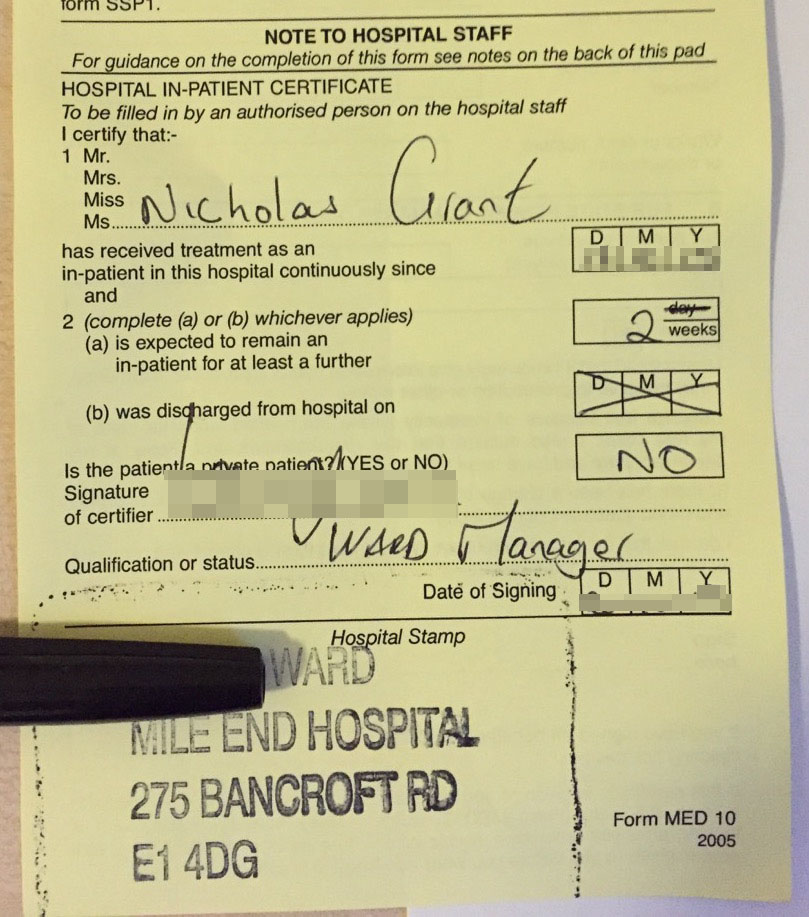
    Hospital Note

    For my own part, I have lived without caffeine for many years now, and I try to keep alcohol consumption to a minimum. I’ve been medication free for a few years, but I have dipped back into both sedatives, sleep aids as well as powerful stimulants, during times of crisis. It’s been a few months since the last time I dabbled with anything psychoactive, and I’m still suffering rebound anxiety and depression.

    Life is incredibly hard right now. I’m stalked by suicidal thoughts all the time, and stress is almost unbearable. I would dearly love the comforting embrace of a chemical security blanket. I long for intoxication. However, despite the hard, sharp edges of daily existence, at least my emotions aren’t blunted and I feel like I have wonderful mental clarity.

    Every day is a struggle, and my perception of time is completely warped. I feel like this depression is going to last forever, and I assume that everybody hates me and that I have nothing to offer the world, and I’m never going to be happy ever again. However, I’m able to be very rational, and I can see that my perceptions have merely been warped by my mood, which is partly because I’m still recovering from the abuse of sleeping pills, anxiety drugs and stimulants.

    It would be easy to write off my tale as that of a drug addict, but that’s not really the story. In actual fact, self medication with ‘bad‘ chemicals was only very recently, and well after I was diagnosed with various mental health problems and had already been taking ‘good‘ chemicals (i.e. medications). All psychoactive chemicals are inherently destabilising.

    Self medication is a disastrous path to go down, but all attempts to force your moods to go one way or the other without changing the environment that you’re in, will be doomed to failure. I wanted happy pills so that I could remain in the rat race, and maintain a standard of living that I had gotten used to. However, what I really needed was to escape that bullshit world.

    Propping up my ailing mental health so that I could continue to work a job that I hated and that bored the shit out of me was a dumb choice. Mental health is too precious to fuck about with using pills and potions. If you’re not feeling great, that’s probably because you need to get out in green spaces more, eat healthier, get some new friends, ditch that mean abusive partner, disown those horrible parents who never congratulate you on your achievements and always give you a hard time, and quit trying so hard to impress people and be somebody you’re not.

    This is my prescription for life: be myself and tell everybody to shove their ill-informed opinions about my life up their arse. Nobody’s an expert in my life and how to live it, and so many of the so-called experts are actually unhappy themselves, nor are they bringing happiness to the lives of the people they advise. Judge people on their results.

    Fundamentally, there is an epidemic of mental health issues, and nobody is curing anyone, so trust nobody except for yourself, and do what feels right for you.

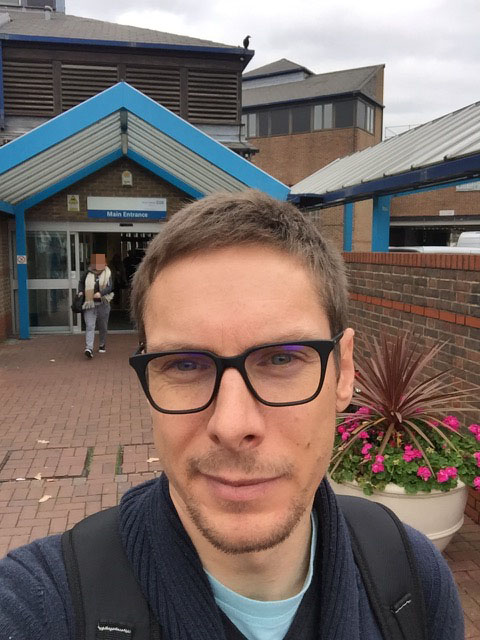
    Discharged from hospital

    I discharged myself, because I was in hospital voluntarily. I’ve had several ‘section’ assessments but never been sectioned under the Mental Health Act. However, I’m an unmedicated mental health patient on the loose, so look out!

    Tags:

  • Thorn Tinted Glasses

    This is a story about viewing the world through the lens of a mood disorder…

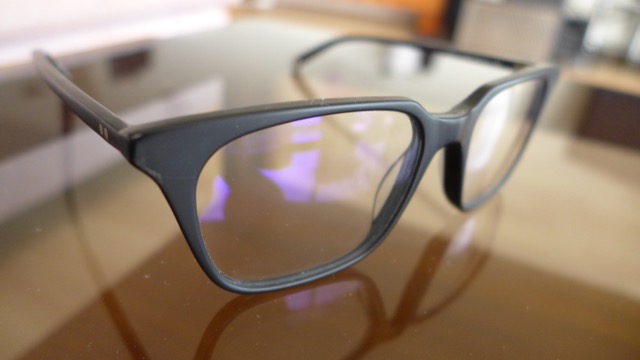
    Blue light filtering glasses

    When I’m hypomanic, nothing seems impossible. Hypomania brings big ideas and grand ambitions, and the only thing standing in my way is the stupidity and myopia of other people. Nobody seems to have the guts to go for the glory, and nobody seems to be able to keep up with me. I get frustrated at a sense of dragging other people along in my wake, having to dumb things down and spoon-feed people at a painfully slow pace.

    Obviously, when I’m hypomanic, I over-estimate my abilities and I’m rather rude and obnoxious about other people. Not exactly a team player. I tend to be pretty disrespectful of other people’s opinions, believing that they’ve had their chance, and have failed to make any significant impact. Why should I listen to such gutless wimps? Why should I listen to anybody not firing on all cylinders, like I am, when I’m riding that hypomanic high?

    Another thing that I overestimate when hypomanic is my stamina. I assume that I can continue at breakneck pace indefinitely. I feel like the enthusiasm and passion that I’m feeling will carry me along, despite the huge amount of energy that is being expended. I don’t walk, I run. I don’t speak, I shout. I don’t discuss, I decide and act. It’s a blur of activity, in single-minded pursuit of a goal, to the exclusion of everything else. There’s no balance. There’s no downtime. There isn’t a second to spare: rush! rush! rush!

    But, I’m not stupid. I’ve been through enough episodes of hypomania now to know what’s happening. So why don’t I modify my behaviour? Well, part of the big rush is the fact that I know that I’ll hit a wall, and almost overnight, I’ll hate everything and everybody, and I’ll just want to curl up and die. I will have run out of energy, and suddenly be overwhelmed by the enormity of the task ahead, and with no gas left in the tank, I’ll realise there’s no way I can continue without sleeping off the work binge and catching up on those lost hours of rest.

    Instead of trying to work at a steady pace that could last for years, instead I try to pack work into frantic periods of rushed and hectic activity, before I run out of steam and depression hits me like a sledgehammer. Instead of being discouraged from milking hypomania for all its creativity and productivity, I feel encouraged to try to achieve Herculean tasks.

    When I’m in one of these moods, lots of stuff gets done, but there’s lots of wastage. Instead of planning ahead or hesitating for a single moment, I’ll just do whatever I can to minimise downtime and delays. If I unexpectedly need to work through the night, I’ll do that and go out and buy a fresh shirt for the following day. If I need to get some rest, I’ll book whichever hotel is quickest and easiest to book. If the project I’m working on needs something, I’ll buy whatever I need, whatever the price, on the assumption that it would be a waste of time trying to penny pinch.

    Step Count

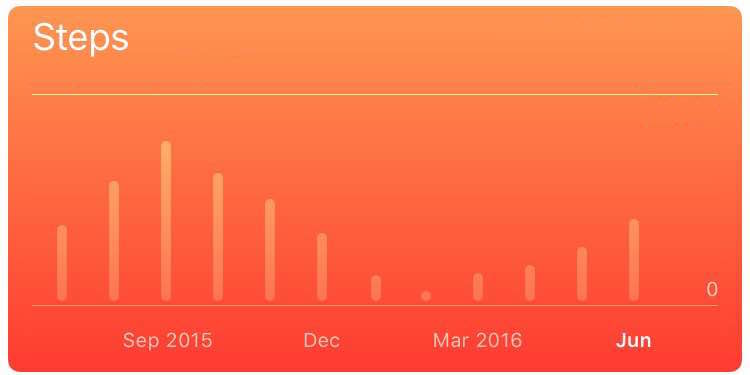
    Can you spot the pattern in my activity? Can you see any trend that would suggest ups & downs? This is actual movement data that has been gathered over a whole year. I would never have thought my mood fluctuations would look this obvious, with hard data.

    I used to keep a mood diary, but of course, when you’re hypomanic you can’t be bothered with the faff of it, and besides, you’re not sick when you’re hypomanic… at least you’re convinced that you’re not anyway.

    I’m not sure whether I’m mostly suffering from Seasonal Affective Disorder (SAD) or whether my Type II Bipolar Disorder has simply become aligned to the seasons. It’s virtually impossible to unpick cause and effect anyway. There are so many seasonal factors, such as the stress of Christmas and the fact that nothing much gets done at work during the holiday season between late December and mid-January.

    Anyway, I’m locked into this cycle, where I start to emerge from hibernation around March/April time. In May I start to begin to do normal things again, rather than just being completely decimated by a sense of malaise, exhaustion, demotivation and feelings of being totally overwhelmed by mundane trivial shit. By June time, I’m about ready to work again, but in danger of tipping into hypomania at any moment.

    At the moment, I struggle to get out of bed in the morning. I have a feeling of dread throughout the working day. The continuous anxiety is matched only by crushing boredom and an inability to concentrate. I flit between looking at my phone and making trips to the toilet to look at Facebook and message my friends. I read documents, but the words don’t sink into my head. The phrase “what the fuck am I doing here?” is on repeat in my head. I’m struck with regular impulses to commit suicide and end the relentless monotony and unending pursuit of a seemingly impossibly distant goal of my next potential holiday.

    By contrast to my hypomanic state, I assume that something is going to go wrong, and I’m going to be plunged back into the stress and pressure of looking for some more work, while the bills pile up and imminent deadlines to pay my taxes and deal with debts that have built up during my winter depression. Everything looks impossible, and boring, and pointless.

    When I’m depressed, I’m absolutely convinced that my skills and abilities and experience count for nothing, and that I’m only good for the scrap heap. Even when I get a job, I feel like a fraud and that I’m going to be found out. When I make a mistake, I beat myself up about it for days, weeks even. I grimace and groan at my desk as I replay something stupid I said, over and over and over again.

    I sit at my desk, watching the clock, wishing I was busy, wishing I felt useful, wishing that the feeling that life was completely pointless would go away, and feeling like death wouldn’t be so bad, because there’s no way I’ll be able to put up with months and years of just turning the pedals, over and over and over again. The same commute, the same routine, the same colleagues, the same game, the same formula.

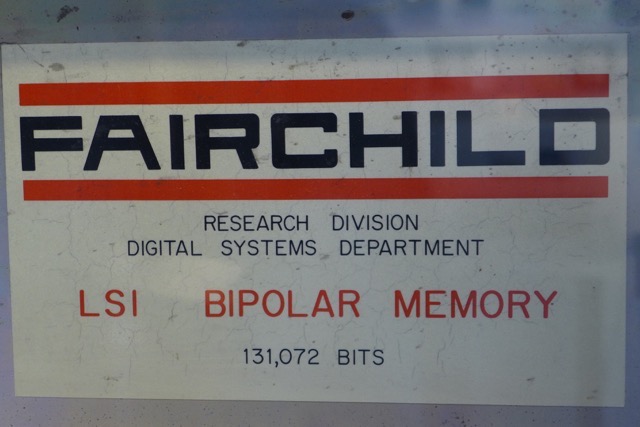
    Bipolar memory

    How on earth am I going to cope with feeling so bored and unchallenged, and so uninspired and so lacking in passion and like such a fraud and like I’m wasting away, and like there’s no way I can stand even the next few minutes, let alone the next few hours, let alone the whole day, let alone the whole week, let alone the whole project and the whole contract, and the whole career? How the hell am I supposed to keep doing what I do?

    I could drink coffee, which aids my concentration and motivation, but as soon as I do that I’ll start getting big ideas and getting really bossy and overconfident, and before you know it, I’ll be hypomanic again. Coffee always stokes my hypomania up. Also coffee stops me from sleeping, so I start drinking alcohol to get to sleep… and before you know it I’m knocking back copious amounts of both caffeine and alcohol to get through the shitty work.

    Once I start drinking alcohol, I start having days where I wake up massively hungover, but weirdly I can get up and go to work. I find it easier to get up with a massive hangover, and easier to sit quietly at my desk getting on with my work, when I’m just about holding down my breakfast and I’ve got a pounding headache.

    I think that drinking lots of alcohol regularly means that I’ve always got booze in my system, and it works like a kind of anti-anxiety drug. I feel super sick and stuff, but it gets rid of that sense of dread. By the afternoons, I start to sober up and my hangover goes, and I’m really happy and productive. When I get home, then I start to get the sense of dread about going to work again the next day, so I start boozing all over again, and end up going to bed pissed again. The whole cycle repeats itself.

    Alcohol and work seem to go hand in hand for me, and it seems to stop me from being such an obnoxious prick and pissing everybody off before finally chucking in the towel on a perfectly good job. I’ve gotten used to using alcohol to bring my hypomania and anxiety under control. It’s a massive crutch for me, and the temptation to use it is massive, when there’s such pressure on me to perform and earn money and not fuck up yet another job.

    I know that I could quite easily return to a tried-and-trusted form of mood stabilisation, using caffeine to get me moving when I’m deep in an exhausted depression, and alcohol to bring my hypomania under control when my brain is starting to get a bit over-excited, or anxiety and boredom are threatening to make life unliveable. However, these things led me to a massive breakdown eventually, which I’m sure was caused in part by massive amounts of these two innocuous chemicals.

    When you’re drinking 12 espresso shots during the day and two bottles of wine at night, everybody’s chuffed to bits with your work, but surely you’re just screwing your body up for the sake of making some money while you’re young enough to cope with that kind of beating.

    I value my liver and my mental health now, not that I have much of the latter. I’m struggling virtually all year round with a mind that tends towards either suicidal depression or self-sabotaging and career-wrecking hypomania. I’ve trashed my financial security, meaning I now have extra added stress and hassle that I could really do without, but I don’t think resorting to self-medication will be good in the long run.

    So, I remain caffeine free and I’m trying to wean myself off alcohol. Today is my 3rd consecutive day without booze. It might not sound like much, but you probably can’t imagine the kind of pressure I’m under, with life very much hanging by a slender thread.

    My days pretty much start with deciding whether to kill myself or not, and they don’t improve much from there. The evenings and weekends are good, when I can see friends, but possibly it’s also been the excuse to drink that’s also played a part.

    I need to get a handle on booze, but I also want my moods to be manageable. However, I also need to earn money and be able to cope with work. It’s a Catch 22.

    My gut feel is that I’m just going to stick with my harsh regimen of zero caffeine and very moderate booze consumption – ideally no booze at all except on a Friday & Saturday night.

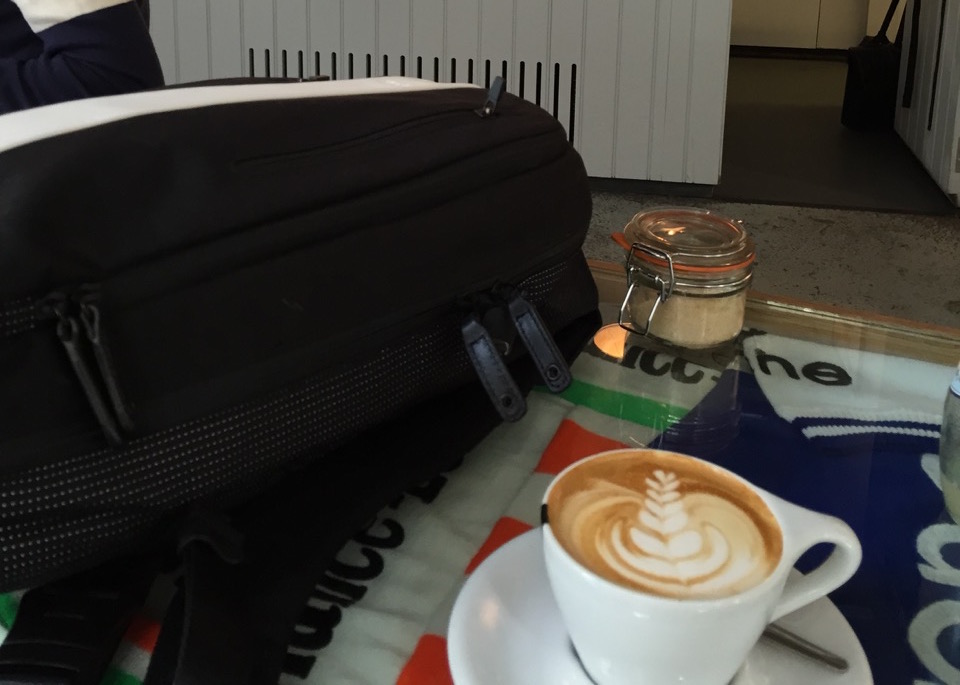
    Coffee

    Clearly, I’m just emerging from under the cloud of a very severe depression, especially as I slashed my own arm with a kitchen knife because the sense of hopelessness and relentless anxiety in the face of overwhelming odds stacked against me, was just so unbearable. Things look a little brighter, but now I’m starting to worry that hypomania will suddenly rear its ugly head, and I’ll sabotage everything, like usual.

    However, I do still refuse to medicate myself, merely to cope with the bullshit life that we’re expected to live. I’ll play the game as best as I can, but my brain is not for sale. Hopefully one day, I’ll be able to better align my needs and my values with my work, but for now, I have to do some stuff that’s pretty incompatible with good mental health.

    One big thing I’ve learned from this rollercoaster ride, is to not expect change to happen quickly. Thinking things will change overnight has led to frustration and disappointment, which has either triggered further depression or has spurred me into regrettable actions. Thinking that I can use the blunt instruments of medication, drugs, legal highs, caffeine and alcohol to force my moods to bend to my will, has been very hard on my body and mind, and has only achieved very temporary effects, for horrific long-term costs.

    Unfortunately, returning to stable mental health, a sense of wellbeing, comfort, happiness, security and an acceptable standard of living, has always required more luck, more time, more favourable conditions than I’ve ever been granted. I’m not complaining – we all face the same harsh and uncaring world, after all – but I recognise that modern society does little to allow people who get sick to ever re-enter the game.

    Stop the world, I want to get off.


    Tags:

  • Clean & Sober

    This is a story about worthy causes…

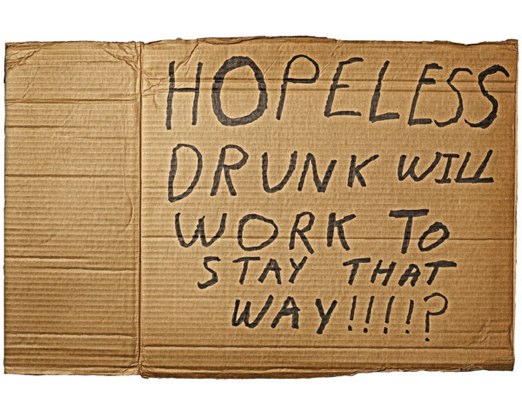
    Hopeless Drunk

    How do you decide who is worth helping, and who has made their own problems? It’s easy, right? People who drink and take drugs are the architects of their own misery, or so we think. Homeless people have to be clean & sober before they’re worthy of our help and support. Alcoholism and addiction aren’t symptoms, they’re the root cause of problems, we believe.

    But what if we got it wrong? What if people drink and take drugs to escape problems? What if people’s lives are so miserable and hopeless that they need something to anaesthetise the pain, the discomfort and the fact they’re treated like dirt, shunned by society and even their own friends and family.

    Once somebody has the label attached to them as a waste of space, a lost cause, it’s hard to shake it off. We don’t like to see our own shortcomings, our own demons, reflected back to us in the eyes of the suffering addict, alcoholic. We’d sooner that the person just disappears into obscurity or dies, so that we can repaint them in some kind of idealistic light. We want to remember them as an innocent child, and having them hanging around as a living adult is rather inconvenient. The living embodiment tarnishes this false image we want to remember.

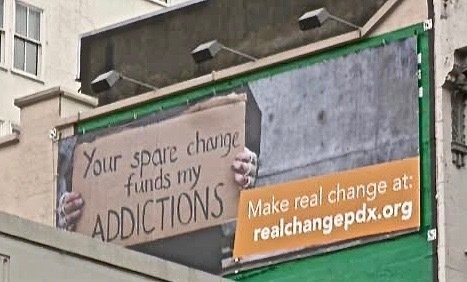
    Some homeless people have poked fun at the ridiculous notion that giving them money will only ‘enable‘ them to continue with their habits. We see images splashed all over the internet of signs begging for money to spend on drink & drugs “but at least I’m not bullshitting you” the signs say. This is confirmation bias. We have preconceived notions about a homeless person, a bum, a junkie… we find it hilarious, and pleasing, to see a sign that confirms our prejudices.

    When I met Frank, he was keen to tell me that he wasn’t an opiate addict. Because almost all of us have an innate fear of needles, the heroin addict is very bottom of the pile. Almost every non injecting drug addict will tell you “at least I’m not a junkie” as if it somehow makes them a better person. Every stoner will tell you “at least I don’t take hard drugs“. Every alkie will tell you “at least I don’t take drugs“. Every person on antidepressants or anxiety medication will tell you “at least I don’t drink“. There is a clear hierarchy here, but it’s no different than a bullied person finding somebody weaker than themselves in order to bully, in order to make themself feel better.

    This infighting amongst humans is uncivilised, inhumane. Where did the empathy go? Where did the sympathy go? Where did all this ignorance come from?

    Homeless Addict

    You really think you could make things any worse by helping? In actual fact, charitable giving is far more likely to make you feel smug about yourself, and feel like you’ve done your bit for society, so you don’t need to feel guilty about your comfortable existence. The fact of the matter is though that going on a sponsored fun run was something you wanted to do anyway. The fact is, that the coins in your pocket aren’t amounting to even 1% of your wealth. You’re buying a clean conscience very cheaply.

    To actually sit down with people, hear their story, get involved in their lives, take a risk… that’s a big deal. We all have busy lives, so who has the time to do that, and aren’t charities so much better, more qualified? Well, no, not really. Charities have salaries to pay. Charities have offices and need to pay bills. The amount of money that actually reaches the front line, through charitable giving, is clearly not making any difference. The levels of poverty and deprivation are bigger than ever. The rich:poor gap is the widest it’s ever been.

    Economists trumpet the fact that a large number of people who were living on $1 a day are now living on $2 a day. An increase of 100% in somebody’s wealth sounds like a lot in percentage terms, but would you honestly feel happy if your pay rise for the last 10 years was just $365?

    Perhaps we should just be happy and content to even have a job. But why? Why should we be content to live with insecurity? Why should we “count ourselves lucky” to have a job where we’re exploited, and we don’t even have enough money to comfortably pay our rent and bills and have anything left over in case the car breaks down?

    Don’t you think that living with Damocles Sword dangling over us is unhealthy? Worrying about unemployment, and the ensuing rent arrears or mortgage defaults is not a healthy way to live. The stress and anxiety of working all hours, commuting for long distances, being away from our families, the uncertainty over our finances and the security of our homes and livelihoods… surely it’s this constant stress that’s destroying countless numbers of people’s mental health.

    We can’t shy away from the fact that there’s a mental health epidemic. 5 million Prozac prescriptions get written in London alone, every year. A quarter of Londoners feel like crying on public transport at least once a week.

    City living can be isolating and lonely, but it doesn’t get any better outside of London. There are less jobs and wages are lower outside the capital. Rents are a bit lower, but bills are just as high, and public transport isn’t as good so you probably need to own a car to get to work. Food costs much the same wherever you are in the country. Many towns and suburbs can be just as isolating, and there’s always the fear that you don’t want your friends and neighbours finding out how unhappy you are, how stressed and anxious, how depressed.

    If you live in some poxy little town with only a few major employers in the area, you can’t risk burning your bridges. If you get sacked because your mental health got unmanageable, you can potentially make yourself unemployable in the place where you live. You can potentially end up labelled amongst people. If it gets really bad, you can be known to friends and neighbours as a “troubled” individual. You’ll be a joke, a laughing stock.

    London offers some anonymity at least, and a much bigger pool of jobs, to compensate for the fact that you can feel totally overwhelmed by the impersonal and seemingly uncaring nature of the dog-eat-dog rat race. People do stop and listen, and can be very kind and compassionate. Sometimes, it feels like we’re all clinging onto the pieces of our wrecked ship in a storm. There is gratitude when you connect with another person who understands the sheer terror of facing a hostile world, out to label you, to shun you, to try and trample you.

    In a way, London has led the way for the country to adopt a kind of blinkered attitude, where we’re all working too hard, and our communities have been destroyed, families pulled apart by the need to spend hours at work, commute long distances and live with unbearable stress. However, London has passed the point where it was completely unable to continue any more, and I actually find it far friendlier and caring than anywhere else I’ve been.

    London has provided, where even my own family has failed me.

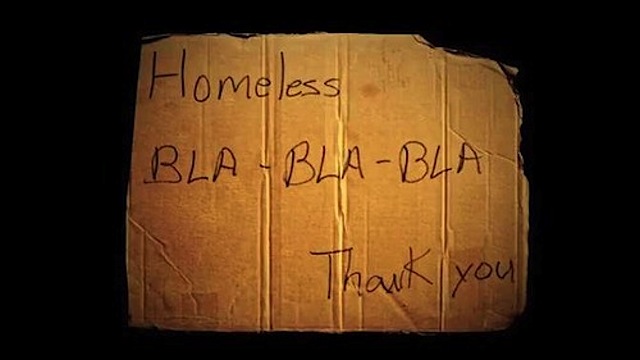
    Homeless bla bla bla

    Many homeless and addicts are fleeing a life of blah

    Tags:

  • Equal Opportunities

    This is a story about conspiracy theories…

    Cardboard Home

    Can a homeless person with a drug abuse problem get off the streets and make a better life for themself, or are they a lost cause? Are we right to discriminate? Are we right to only let the ‘right sort‘ of people get ahead in life?

    What would happen if we were entirely honest in our job applications? What would happen if we put our darkest secrets onto our CVs and were completely transparent about the chaos and turmoil in our private lives? Would employers be understanding? Would we find our opportunities to work, to earn money, and to restore our self esteem, were abruptly curtailed?

    I was speaking to a film-maker friend about the high rates of burnout & alcoholism in the banking community. It was hard for me to be overtly critical, because my experience is that once you’re ‘in the club‘ banking does tend to look after its people.

    Drinking culture used to be ubiquitous in banking. Having a hangover in the morning, being tipsy in the afternoon, getting absolutely smashed out of your mind with your boss… these things were quite normal, and indeed encouraged. Everything and anything would be celebrated with copious amounts of alcohol, and virtually all sins were forgiven.

    My first proper job in the City was with HSBC, and while I was there, a colleague was so drunk that he collapsed in the revolving doors and passed out, blocking the entrance. While the story was well known to everybody, this colleague suffered no disciplinary action. The tale simply entered folklore, and would be recounted to tease our colleague.

    I was once running a team for JPMorgan, and I was so often drunk myself that I was unable to smell the vodka on the breath of my team member who sat opposite me. It was well known that he was an alcoholic, which is a bit like giving out speeding tickets at a Formula One race. He did eventually lose his job, but it took many years before he had spiralled downwards enough to have become completely ineffectual at his job. There were many, many second chances.

    I myself, benefitted from having most understanding employers, in the banks. I have been rescued from fairly dire situations, not once, not twice, but three times now by these generous institutions. It should be a case of 3 strikes and you’re out, perhaps. Besides, I have been biting the hand that feeds me.

    I’m conflicted over the banks. I had felt like they were acting with immorality, kind of like a big conspiracy. However, on reflection, I think they just employ the best people they can get, and because they pay well they get great people who are very efficient at making money. There’s no conspiracy: people are simply incentivised to help their employers profit, and the companies do better if they help their employees to prosper.

    The banks have helped me, despite mental health problems, homelessness and drug abuse. Without them, I would be dead and buried or swigging methylated spirits on a park bench.

    Obviously, my former employers don’t know how charitable they have been. What would be their reaction if they did know?


    Tags:

  • Addicted to Honesty

    This is a story about the power of truth…

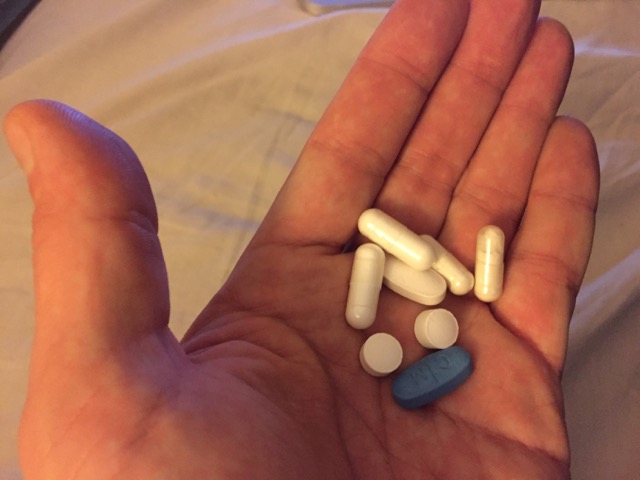
    Handful of pills

    We love to jump to conclusions. In fact, our brains are designed to predict, rather than to simply present reality, as it really is. There’s no way that a professional tennis or cricket player could respond to the ball, once it’s left the racquet or hand of their opponent. Human reaction times are actually quite slow, so the brain makes predictions, based on the available information.

    I’ll re-iterate that, because it’s quite important. When a tennis ball is served up by a professional opponent, there is not enough time for the eyes to see the ball, the image to be processed by the visual cortex, your brain to make a decision about whether to swing your racquet left or right, and then your motor cortex to move your muscles to intercept the ball. In actual fact, a professional tennis player makes all their decisions based on the body language of their opponent, in advance, before the ball is even struck.

    The reality that you experience is a perceived reality. It might seem like a crisp and colourful 3-dimensional world around you, full of sound and smell, but actually, your brain is just feeding you the tidbits that are interesting, that you might want to make a cerebral decision about. That’s why you can ignore a dull hum – white noise – but you can’t ignore a scream or the sound of breaking glass.

    There are far too many stimuli in the world around us for us to evaluate every single one for signs of danger. It was evolutionarily advantageous to keep the brain a reasonable size, so we could at least run away from things without being completely weighed down by a massive head. There’s an optimal ratio of brain power to weight. The really brainy kids got eaten by predators, because they had the capacity to perceive, but not the brawn to evade. These brainy kids were most acutely aware that they were going to get eaten by a sabre tooth tiger: the ultimate realisation of the expression “ignorance is bliss“.

    I’m not saying that I’m brainy, but what I am saying is that your perception of me is incomplete. You have made more assumptions about me than you’re aware. Your brain has taken the few fragments, the breadcrumbs that I’ve given you, and it’s tried to present a complete description of who I am to you. This is an illusion.

    We often talk about being a “good judge of character” and this is probably correct. Through life experience, we learn body language and facial expressions that allow us to guess when we’re being lied to, deceived. We learn who the wrong ‘uns are in life, and who harbours malice in their hearts.

    An addict’s brain has been hijacked. Reward systems in that brain are causing the addict to award a toxic chemical with an importance normally reserved for food and sex. There’s a belief that an addict will murder and steal in order to support their habit, but it’s easier to understand things in these terms: what would you be prepared to do if you were starving?

    You feel like you wouldn’t murder if you were starving, but you might be prepared to steal an apple from a highly profitable supermarket chain, right? Besides, you’d pay them back when you could, right? Here’s where that perception thing comes in. Even though you think addicts would murder somebody to get their next fix, they actually think just like you do. Drug withdrawal is exactly the same as hunger, starvation, in the brain.

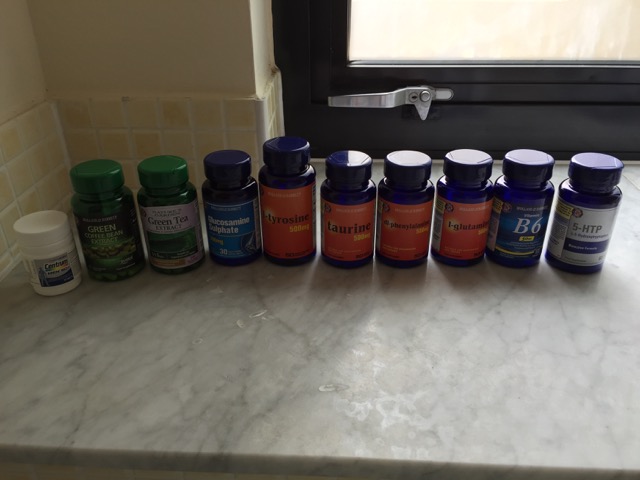
    Dietary Supplements

    Does it surprise you that the handful of pills in the first picture actually turn out to be a load of dietary supplements that are not psychoactive? The chemicals in the pills are vitamins, minerals, proteins and amino acids. They are the building blocks that your body is made from. They are no more toxic than a salad, some beans, some turkey, some juice. They’re certainly not drugs, even though they’re packaged similarly.

    Some people believe that drug use is a victimless crime. Adults are allowed to go off-piste skiing, kill themselves with alcohol, race motorbikes, climb dangerous mountains… these things are a risk for the individual, but they are permitted under law. When we look at the antisocial harms of drug use, alcohol is by far and away the biggest offender in society, yet it’s legal and its use is enshrined in culture.

    My guess would be that the majority of people think that drug use has its victims. Whether it’s those who are victims of thefts and burglaries or those who are caught in the crossfire of the drug war, gang warfare for the desirable turf, for trafficking and drug dealing. One of the main reasons for spending billions of dollars on drug ‘crime‘ is because we believe that drug addicts are bad people, as opposed to starving people. We wouldn’t attack the victims of a drought, but we do attack those people whose hunger and thirst for drugs has reached a level where their brains tell them to obtain chemical substances at all costs.

    But what about choice? Didn’t addicts choose to become addicted? Well, you tried beer didn’t you? You had some wine, didn’t you? Did you choose not to become addicted, or did you find that you can just naturally stop drinking when it’s not socially or economically appropriate to do it anymore? You have no problem stopping drinking, but why does that mean that an alcoholic chooses to have a problem with booze? Who would choose to destroy their liver, their livelihood, their family and ultimately their life?

    So, we can understand that alcoholism is not a choice, but something that afflicts a small proportion of alcohol users. Drinking alcohol is not the same as being an alcoholic… surely we all see that? Therefore alcoholism is a result of genetic or environmental factors, outside the control of the free will of the addicted individual. That is to say, if it’s a choice, there’s something so awful about the life of an alcoholic, that they prefer the damage they are doing to themselves, instead of a life without the numbing intoxication of their chemical crutch.

    Empathy is required to understand the mechanisms of addiction, but from your initial knee-jerk fear and mistrust, we can even move towards a position of sympathy. We can see addicts as the victims of starvation, rather than predators out to murder and steal.

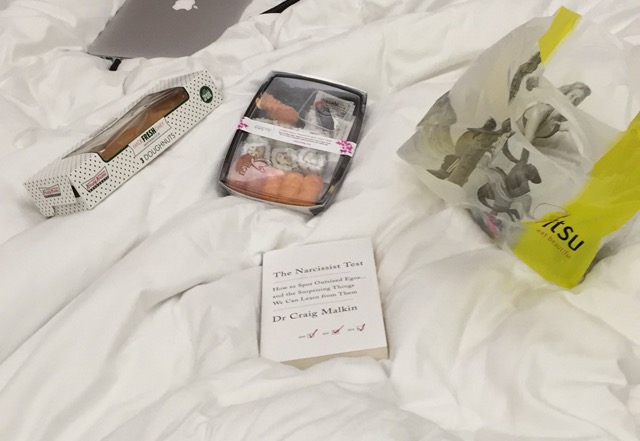
    Sushi Bed

    You got hungry and you craved food. You went and got food and you ate it to satisfy your craving. Does that make you an addict? A food addict?

    Tags:

  • Induced Amnesia

    This is a story about impaired memory…

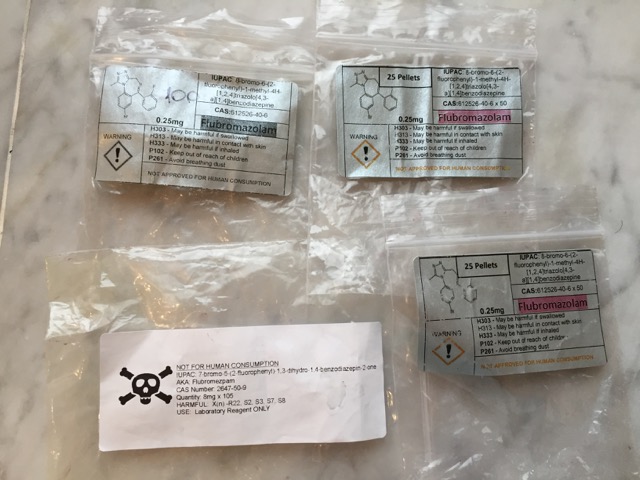
    Chemical Carnage

    On the 6th of April, ‘legal highs‘ and research chemicals were about to become illegal in the UK. The legislation had been rushed, just like people who were dependent on these drugs. The criminalisation hasn’t happened yet, but it could still happen soon.


    I actually have very patchy memories of the last 3 months, because I had unfortunately been consuming at least 255 strong Benzodiazepine type tablets. These would be commonly known as sleeping pills, or ‘downers‘. Amnesia is one of the known side effects.

    If you’re suffering from stress-related anxiety, insomnia or a comedown from stimulant drugs, Benzos are manna from heaven. However, after a few months of taking them, you are risking a withdrawal syndrome that could kill you, if you abruptly stop. It’s important to taper off slowly if you have become physically dependent on these drugs.

    I had no idea that I had taken so many pills: a common side effect being the fact you can’t actually remember taking them, so you end up taking more. In fact, the last few months are scarily patchy. I read many emails that I don’t even remember sending. I only have vague recollections of doing things that must, presumably, have required quite a bit of thought at the time, like publishing an eBook on Amazon Kindle.

    Anybody who is familiar with junkie folklore will know about the speedball, which is a mixture of heroin and cocaine, injected, or basically the combination of an ‘upper‘ with a ‘downer‘. Combining Supercrack with Benzos is kind of a Speedball, and inflicts the same kind of problem on your brain: it makes you kind of sleepwalk, until either the stimulant or the depressant wins the fight.

    It was not my intention to ever mix uppers and downers, but the mean elimination half-life of Benzos tends to be a lot longer than that of stimulants. You can still have a load in your system when you wake up and start using stims again.

    This is how most overdoses happen. It’s not normally a single drug that’s found in the bloodstream, but polydrug abuse is by far and away the most common reason why addicts die of overdoses. The interaction between drugs can cause dangerous respiratory depression: shallow breathing and even stopping breathing altogether.

    Freudian

    The life of a successful 34 year old barrister was destroyed when his boyfriend died of asphyxiation in his sleep. They had been fans of chemsex, and had taken Meow Meow (an upper; Methcathinone) with GBL/GHB (a downer; sometimes called Liquid Ecstasy). The fatal combination was with alcohol, and it is likely that the 34 year old legal star’s boyfriend choked on his own vomit, while he was unconscious.

    BBC coverage of the news story is here: https://www.bbc.co.uk/news/magazine-35976705

    Seeing as these drugs were already criminalised, I can’t see that the new laws would have had any effect to save the lives that are already being blighted by addiction and drug abuse.

    There are a large number of men, in their 30s and 40s, who’ve come to drugs late and are now doing it regularly

    There are so many things that sound like familiar echoes of the chemsex world that my ex-wife and me entered. There was a fairly long period where we wouldn’t have sex unless we were high on Ecstasy, amphetamines, cathinones or GBL/GHB. It became an accepted and normal practice to lose at least an entire day of the weekend to these kind of sexploits.

    I say we were careful, because I have always educated and informed myself, and we used to use super accurate measuring pipettes and miligram scales, as well as following golden rules about not exceeding certain dosages, and definitely never mixing drugs.

    When you enter the dark and deadly world of an all-consuming addiction though, you’re in things on your own. You’re fumbling around in your pit of despair and one packet of pills looks the same as any other bag of white powder, which you indiscriminately crush up and snort up your nose, rub on your gums or otherwise desperately try and shovel into your body somehow, chasing your lonely isolated high.

    By making drugs illegal, we set up a division in society where the law-abiding middle class citizens go about their business in complete ignorance of the life experiences that are being racked up by those exposed to a degree of drug experimentation and use of ‘soft‘ drugs.

    If one of these ignorant, drug naïve people gets caught up in the world of chemicals of abuse, then they are ill-prepared for the hard lessons ahead. The first comedown from Crystal Meth without anything to cushion the landing is something that you’re unlikely to forget.

    In this dangerous new world that is being discovered by middle class professional thirtysomething gay men, and the occasional open minded hetro, we are likely to see many more tragedies like the one in the news story above, and many struggles and unexpected car wrecks like my own.

    Who knows, maybe my own story ends with a fate that is unfortunately all too familiar to the coroner: drug overdose due to polydrug abuse.

    All I’ve got in my favour is the fact that I remain well educated, well informed. I knew that this new legislation was coming, so I got myself off the little blue & pink pills that were threatening to become a physical dependency.

    It’s not like a change in the law is going to make any difference to the easy availability of drugs of abuse though.

    CMA

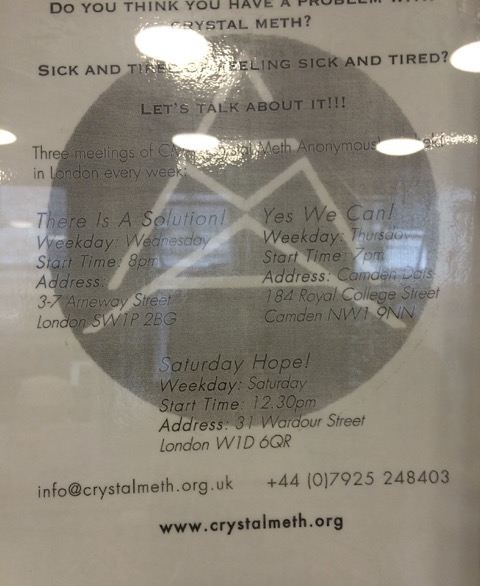
    These are the Central London meetings of Crystal Meth Anonymous. The one time I went to attend one I ended up relapsing onto legal highs instead. Was never a Meth addict though, but there’s no Supercrack Anonymous, yet

    Tags:

  • Inside The Priory

    This is a story about rehab…
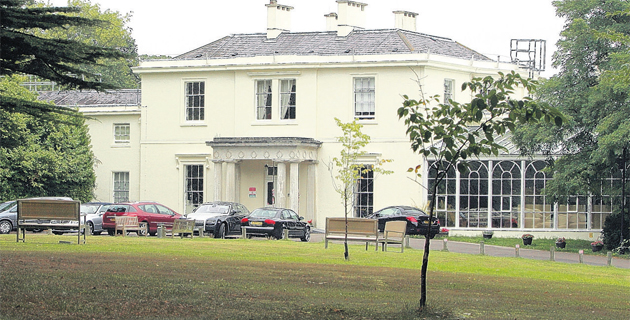
    The Priory

    What’s the difference between detox, rehab and inpatient treatment for mental health disorders? Very little actually. Here’s my little exposé into being a patient of the UK’s most notorious private drug and alcohol abuse treatment provider.

    As far as my medical records show, I was admitted to The Priory for treatment for Type II Bipolar Disorder, during an episode of acute illness. My private health insurance picked up the bill and JPMorgan gave me the time and the space to get better. They’re a great employer actually.

    I had found a local private psychiatrist, as I was running out of ideas for how to deal with my Dual Diagnosis (Bipolar & substance abuse) and I knew that the stats weren’t good. Not many people recover from such a death sentence of a diagnosis.

    I was very lucky to find the psychiatrist that I did. I had been trying to get in contact with a number of specialists directly, but things were very slow going during the Xmas/New Year period, when a lot of people suffer a big decline due to the bad weather and family pressure to put a jolly face on everything during the holiday season.

    I contacted a general psychiatrist at the local private hospital, and he turned out to be one of the nicest, kindest people I could ever have hoped to meet. It was pure relief to meet somebody nonjudgemental who would hear my story without leaping to immediate conclusions. The first time I met him, he simply said “we can only play the cards we are dealt” which had me in floods of tears, as it was the first time that anybody had ever said something so kind to me.

    I had been taking quite a kicking from my supposed loved ones – but I’m not going to go into that anymore – and been made to feel very guilty and a total failure for having gotten sick. It should be noted that I became clinically depressed and suicidal before any substance abuse entered the picture. Bipolar symptoms had always been present in my life, but it took a further 2 years to get diagnosed. Then, finally, substance abuse reared its ugly head and became the most pressing issue.

    From my point of view, I had struggled for years and years with recurrent suicidal ideation, suicide plans. I have struggled all my life with mood instability. To be simply dumped in a bucket labelled ‘lost cause addict‘ was a bit s**t to be honest, after 30 odd years of reliable good service, despite fairly debilitating mental health problems.

    Perhaps I’m complaining too much, making too much of a big thing of my struggles? Yes, yes, yes, there are people who’ve had it so much harder than me, blah, blah, blah. Ok, unless you’ve sliced your forearms multiple times, lengthways along your veins, with a razor blade, do me a favour and shut up? Some of my friends are wonderfully supportive and have gone out of their way to learn about mental health problems. Perhaps you could follow their example?
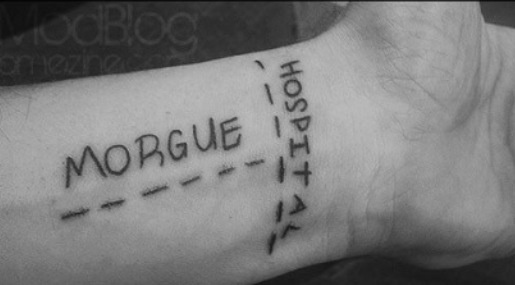
    Down the Road

    So you think this is attention seeking? Save it for the funeral.

    It’s true that it’s taking me a while to work up the bravery to take the Final Exit. Ending your life is a big deal, and you’ve got to do it right, otherwise you’re just going to end up in hospital in pain.

    I’ve had cans of inert gas to suffocate myself, 2 grams of Potassium Cyanide, enough barbiturates to slip into a coma and drown in my hot tub while unconscious, travelled to the top of tall buildings, cliffs and peered over the edge of high bridges. The most serious attempt I made was trying to open my veins with a razor blade. I must admit though, I was just testing the water. You want to make sure that you open some major veins, like the jugular, if you want to die quickly.

    Stupidly, I still have hope and some faith in myself. I should write myself off for dead, like those-who-shall-not-be-named have done.

    So it came to pass that I went into The Priory, with a referral to one of the country’s leading experts on Bipolar Disorder and Dual Diagnosis. JPMorgan were told that I was experiencing mental health problems (true) but the main objective was for me to detox for 28 days, so that there was a clearer clinical picture, and the treatment of my Bipolar and depression could begin.

    That makes me an addict right? Don’t need to read the rest of the story. Skip to the end. Case closed.

    Well, actually, The Priory and my psychiatrists were concerned with my mental health, and saving my life, not just labelling me as an addict and sticking me into the revolving doors of mistreatment and stigma that those suffering individuals endure. The Priory is actually a private hospital, and cares primarily for those suffering with various mental health disorders that are less controversial and stigmatised than substance abuse. There were ten times as many patients who were there because of depression, anxiety, schizophrenia, borderline personality disorder, eating disorders etc. etc.

    It’s actually all part and parcel of the same group of problems. One fellow patient had been admitted with mental health issues, but out of some drive to self-destruct, she started filling up a mug with alcohol-based hand sanitising gel and flavouring it with orange squash, and drinking it to get drunk.

    One of my fellow patients tried to commit suicide by climbing a high wall and hurling herself off, while I was there. Does it matter if she was being treated for depression, or for substance abuse? The fact of the matter is that she was suicidal at that moment. Mental illness of some kind had driven her to try and take her own life.

    There was a game we used to play, when a car used to roll up to the house, and out would step the worried looking family members, dragging some dishevelled son, daughter or partner out of the back seat and into a meeting about admission. We used to try and guess what they would be admitted for. Sometimes it was obvious – if they had red wine all spilt down their clothes for example – but often it was nearly impossible.

    Priory Hospital

    But what’s it actually like, in private hospital? Are there rock stars and stuff? Well, my doctors had treated a number of high-profile sportsmen and women, but when I was there, there weren’t any rock stars. Couple of millionaires but no rock stars.

    Really, it’s much like an NHS mental hospital, except a little more well appointed. Everything is bolted down and the windows don’t open and the doors don’t lock. The lights don’t dangle down and there are no curtains. Mirror glass is made of plastic, and pictures are screwed to the wall, not hung. Yes, there is quite a lot of anti-hanging thought that has gone into things.

    When you arrive, you will hand over your razor, scissors, tweezers, solvent containing toiletries, shoelaces, belt etc. to the nurses to keep at their station. If you want to have a shave you’ll have to ask for permission, and you’ll only get a short amount of time to attack your face with something sharp.

    Plus, it’s still a hospital, and people are very sick. One woman said to me “it’s OK, your secret is safe with me” and tapped her nose with a knowing wink. It later emerged that she thought I was a royal prince, and that my presence in hospital was a state secret. She also came into my room and stole all my underwear and my books, before the nurses tracked down her hiding place.

    The rooms are actually as good as any 3-star hotel, with a writing desk, nice view of the gardens, an OK single bed and an ensuite with no shower curtain or plug (drowning is frowned upon). Once you’re off suicide watch, you might get to move to one of the double bedrooms that are further away from the nurse’s station.

    Other than the slight refinement of having a TV and a telephone in your bedroom, there is little different from NHS mental health treatment. The food was very good, I have to say, but your days are generally structured around morning and afternoon trips to the dispensary hatch for your medications, and being regularly checked on by nurses if you’re not in some group activity.

    Between art therapy, yoga, mindfulness, music therapy, table tennis, TV, movie night and generally socialising with the other patients, it all sounds like a thoroughly lovely spa break. There was a gym and quite big grounds that one could roam in, provided you told the nurses where you were going and how long you’d be gone for. Leaving the compound within my 28 days was forbidden.

    Your partner can come and visit you, and you can give a knowing wink at the nurses station before you have sex, so that nobody barges in on you unannounced. Just don’t take too long. Visiting is only on a Sunday, so you’ll probably have a sack like Santa anyway. You have to hand over your mobile phone and laptop, and digitally detox, so pornography is hard to come by. Probably because sex addiction is also treated at the hospital.

    We should remember that although people talk about ‘rehab‘ we need to be quite clear about the treatment route of substance abuse. There is first a detox. It’s necessary to break the body’s dependence on substances, and treat the withdrawal. If you are an alcohol or a benzodiazepine abuser, there’s a good chance that withdrawal could kill you, so the hospital will put you on tapered medication to get you off those substances. If you are an opiate abuser, you will get very sick from withdrawal symptoms, and these can be attenuated with substitute prescribing or by putting the patient into induced sleep. If you are a stimulant abuser, you will suffer cognitive impairment, exhaustion and suicidal depression.

    After detox, which could take the whole 28 days, then comes rehabilitation. Depending on how dysfunctional a person has been, they could need 3 to 6 months of rebuilding their damaged life in a safe environment. Just breaking the cycle of chemical dependency is not enough. There’s a reason why a person entered that cycle in the first place. There’s a reason why that person stayed in that cycle.

    We know that gambling addicts don’t inject packs of cards into their veins, so addiction can’t just be about chemical substances, can it?

    So it was, as my time at The Priory drew to a close, the staff gave me the bad news that my treatment was incomplete. I would need another 3 months of rehab if I wanted to make the changes permanent. I flipped out. I discharged myself, went home for a day. Then I spoke to one of the staff on the phone and decided to go back for the remaining few days of treatment. She-who-shall-not-be-named decided that I had “failed” in my commitment to getting better. That’s simply a lack of understanding about the commitment that is needed to support somebody in recovery.

    Recovery is not about abstinence, it’s about having people who love you trying to support you. Support does not mean hectoring, bullying, nitpicking and generally being obnoxious to a person. Your holier-than-thou drinking and smoking and generally behaving like it’s OK to do whatever you want and laughing in the face of the abstainer is not helpful, OK?

    Abstinence doesn’t even work anyway. It’s just a continual reminder of what people want to believe: that you’re somehow a bad person, that you’re faulty, defective. People want to treat you differently, want to label you. Teetotallers are ridiculed, treated with contempt. Why bother being teetotal?

    Certainly, not being a smoker was a problem in hospital. There would be long periods where I was left all on my own, because everybody was outside smoking. There is no real abstinence in the world. I found the nurse’s stash of caffeinated coffee in one of the more remote kitchens, and in some hospitals you are even allowed to have caffeinated drinks. ‘Addicts‘ are encouraged to not give up smoking and tea/coffee, because they will need those things as a crutch, during those early days of abstinence.

    If you look a little more closely at human behaviour, you will see that people are self medicating in one way or another. You’ll see the hypocrites, dosing themselves up with stimulants in the form of caffeine. You’ll hear the hypocrites, being hypocritical about addiction inbetween puffs on their cigarette. You’ll suffer the hypocrites, swallowing their pills and liquids they have as government sanctioned, medically approved substitute addictions.
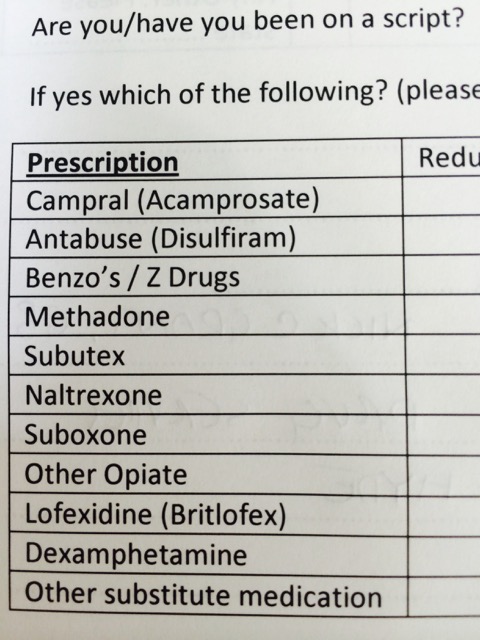
    Substitute Medications

    I could go to my doctor and get a prescription – called a script in addict parlance – for something to salve my addiction and turn it into something seemingly acceptable in society. It’s OK if my pills come in boxes from the pharmacy, with my name printed on them and with a prescription from my GP or psychiatrist?

    If I had to go to work at the moment I would probably need some Dexamphetamine, or at least a gallon of super strong black coffee. Because I’ve used so many stimulants, I can drink heaps of coffee without having the anxiety, palpitations and sweats that you would get, but it’s a poor substitute for genuine amphetamines, even if the caffeine molecule is virtually identical.

    There’s no magic in treatment. There’s no magic to recovery. It’s just time & space and being treated nicely by people, being respected as a human being.

    It’s important to respect people.

    Just respect people.


    Tags:

  • ChemSex and Party & Play

    This is a story about dangerous combinations…

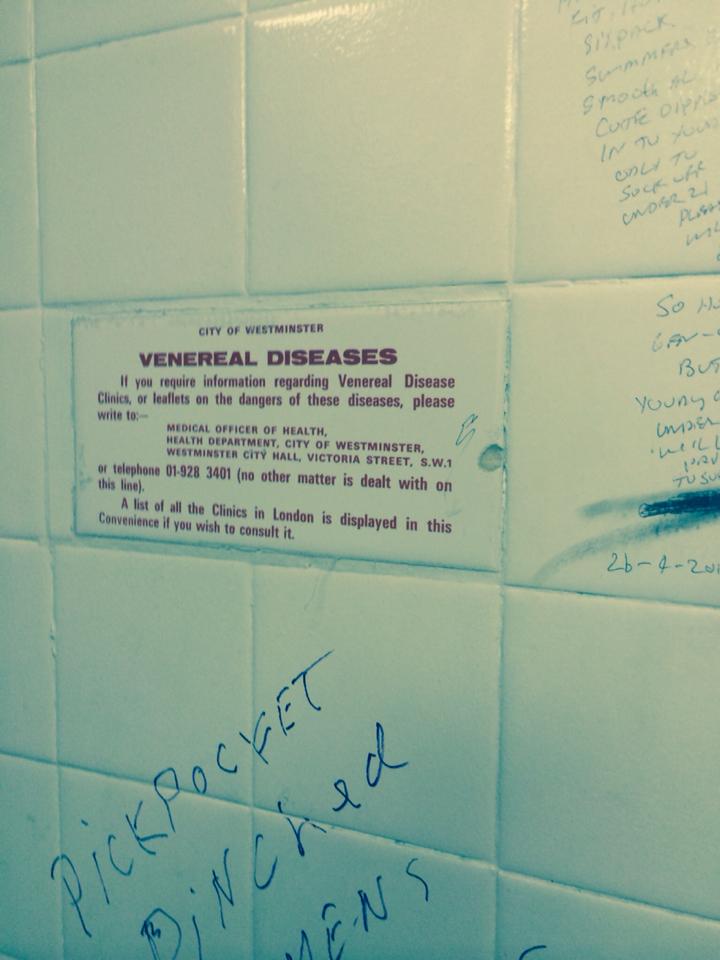
    Best Toilet

    When people started dying of AIDS, everybody thought it was a disease limited to homosexual men. Everybody knows that hetros get HIV too, but what about high levels of promiscuity and apps like Grindr? Well, hetros have Tinder now etc.

    Silendafil (Viagra) started to be commercialised globally during the 90’s, and this also changed the public consciousness, to make the use of drugs during romantic interludes, more widely accepted.

    Performance enhancing drugs get everywhere. EPO & Anabolic Steroids in sport. Modafinil and Methylphendiate in academia. Cocaine on the banks’ trading floors. Dexedrine for the fighter pilots and soldiers.

    Sex now has Cabergoline, which allows men to have multiple orgasms, as well as the erectile dysfunction medications. Also, stimulants like Crystal Meth give people unhuman sexual appetites and stamina.

    The problem with combining an addictive drug with a compulsive behaviour, is that you are linking hardwired survival circuitry into the learning & reward mechanisms, which creates a feedback loop. Every time you get horny, you’re going to want drugs. You can’t stop getting horny… it’s evolved into your DNA. You’ve misprogrammed your mesolimbic pathway.

    I ordered some alloy wheel cleaner from BASF in Germany, which a few drops of used to accidentally fall into a gulp of orange juice for my ex-wife and me. “Should we do some more?” she used to say, and can you believe that I used to have to be the sensible one and say “no, we’d better stop there. Know our limits. Keep a handle on this thing“.

    So, my divorce was more than the loss of a life partner. It was the loss of a shared drug & sex addiction too. It wasn’t healthy. It was co-dependent. It needed to end. It’s just that whoever was weaker at the time was going to get destroyed. That was me.

    Orange Boy

    If you feel like a freak, don’t worry, in London you’ll blend right in. You can get a f**k on Craigslist in about 30 minutes, on on Tinder in about an hour. I once met a chap in the park who asked me to be his eyes to get him to hospital because he had gone literally cross-eyed after eating 16 Viagra.

    Too Much Information (TMI)? Well, actually, if you read more carefully there’s no actual confession there. I’m just giving you the scope and the scale of the problem. The parameters that I’m working with.

    Legal Highs

    Thankfully, you can’t just walk to a stall on Camden Market, or a sex shop in Soho and buy Legal Highs now. You can’t do it on a whim. You can’t just happen to be passing by.

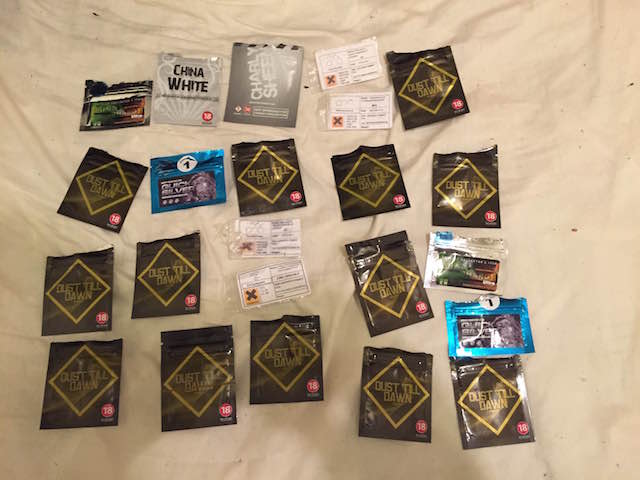
    You can’t even sell Legal Highs now. You have to call them Research Chemicals, and mark them as toxic. Not for human consumption. That’s right. Accidents happen though.

    None of this stuff is in my life, but it’s 24 hours waiting for the postman away.

    I’ve been dreaming about having a meal, having something to eat, but every time I wake up I feel too overwhelmed. I’ve lost my appetite. It can’t possibly be a lack of blood in my drugstream, because there isn’t anything alien in my system. I’m as clean as a whistle.

    There’s a mountain of things I need to deal with, including drinking & eating enough. Most of it is very mundane and practical. I know we’ve all shoved post in a drawer and tried not to think about it at some stage in our life. Imagine doing that with everything you need to do, including the consumption of enough calories to sustain life.

    I’m sorry it all sounds a bit pathetic and needy. I’m sorry it’s all so sordid and grubby. I’m sorry it’s all so personal and embarrassing and shameful and private. You know, it’s exhausting, hiding an alter ego that you’re terrified of anybody discovering.

    Oh well, f**k it. Cat’s out of the bag now. I’m so exhausted. I’m going back to sleep. Maybe I’ll have a lovely dream about Greggs the Baker again.


    Tags: