alcohol – Nick Grant

Tag: alcohol

  • Raw Dogging Reality

    This is a story about taking the edge off…

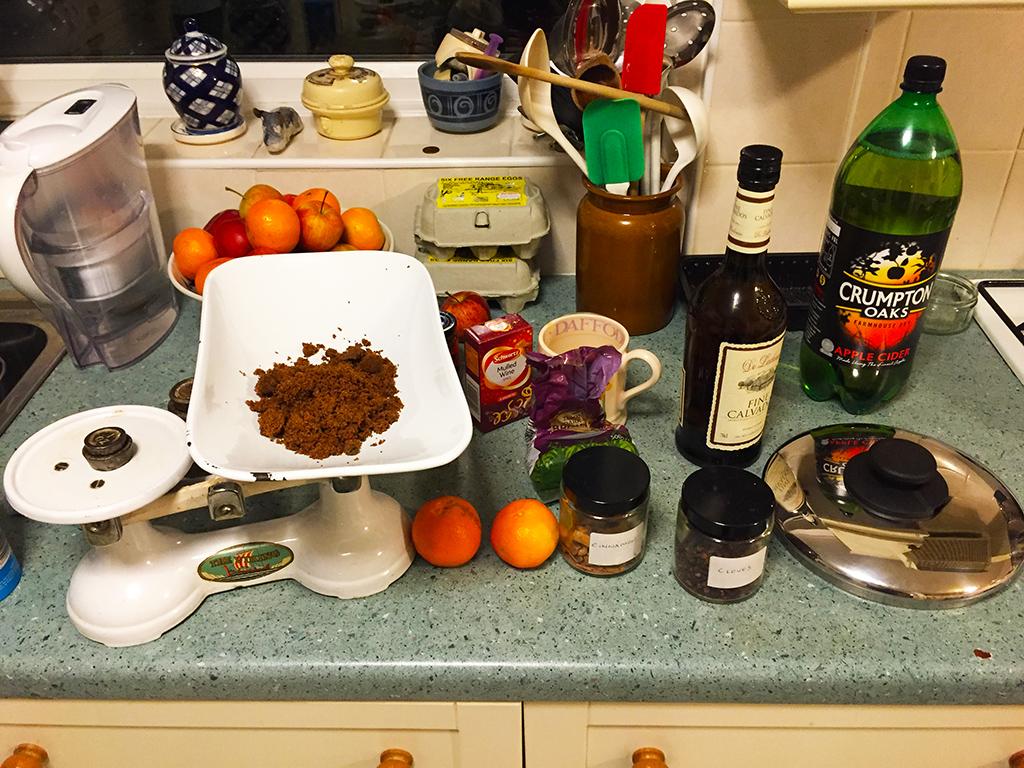
    Mulled cider

    There’s a popular meme which asks what’s classy if you’re rich, but trashy if you’re poor. Among the answers is daytime drinking. Certainly, what gets classed as alcoholism for poor people, is just considered taking the edge off after a long hard day, for the wealthy.

    Drinking and the United Kingdom go hand-in-hand. The weather is pretty atrocious for the majority of the year, and not in a Skandinavian way, with pretty snow and ice, but instead in a miserable grey-skied, drizzly rain kind of way. The UK doesn’t get cosy during winter time, it just gets depressing. While the UK has a bad – but deserved – reputation for being the home of larger lout football hooligans, and horrendous rates of alcoholism, is it any wonder, considering the dreadful weather?

    If we examine humanity’s need for intoxication, we can see that it’s well correlated with dreadful weather. The longer and more miserable the winter, the more people drink.

    Looking at wider habits of intoxication, we can see that life is unbearable, for the majority of us, without something to take the edge off.

    Why then do we fetishise brutal sobriety?

    There’s noting admirable about being teetotal. I’ve been teetotal for a month and a half, and I doesn’t make me morally superior. I’m not a better person, just because I’m not imbibing alcohol. The only reason not to drink is pure vanity: that I’m dieting, and alcohol was contributing the vast majority of calories which I was consuming.

    Without alcohol, I’m struggling. Without alcohol, I’m unstable and finding it almost impossible to plod along at snail’s pace, bored out of my mind. I’m finding it impossible to get through the day: it’s unbearably horrible.

    I do not recommend experiencing raw unfiltered reality. It’s awful.

    Of course, nobody does experience raw unfiltered reality. Everyone drinks. Everyone smokes. Everyone pushes their buttons in some artificial way or another. Everyone takes medications. Everyone finds a way to artificially alter their brain.

    I suppose that when I said we don’t have the Scandinavian kind of cosiness, with warm sweaters, open fires, great central heating, insulated houses and snow outside, we do have a British kind of cosiness: country pubs, with lots of British beer. The Britons have always been big consumers of beer, and never moreso than during the dark, cold winter months. The British adapt to their miserable British winter weather, by retreating to the pub, and drinking more.

    The idea that we should be able to maintain a certain constant level, in all areas of life, year-round, is complete insanity. Of course we need to sleep more when the days are shorter, the nights are longer, and it’s colder. Of course, we need to be less active in the winter. Of course, we can’t work the same hours. Of course, we can’t go outside as much. Of course, we’re going to eat and drink more. The seasons are not constant – there is summer and winter – and neither can we, as biological creatures, be constant either.

    Doing a very extreme diet at the same time as being teetotal, coinciding with the clocks going back, the nights getting longer and the weather getting colder: this is something which is awful to experience, raw and unfiltered. I’m tired, hungry, cold, and I’m hit with the full force of the horrendous anxiety which human existence induces. This world is fucking shit, to experience without anything to take the edge off.

    While the whole world is drinking alcohol, smoking, taking tons of pills, drinking tea, coffee, energy drinks, eating super sugary foods, upregulating themselves with gym workouts and suchlike, and bombarding themselves with a ton of dopamine-inducing entertainment – film, TV, video games, news media, social media, internet, pornography – I’m struggling along, experiencing raw reality, which is truly terrible. Do not recommend. Stay with your trusty pills – you need them!

    The phrase “raw dogging reality” is stolen from a Tweet I saw, but it very aptly sums up the horribleness of human existence, without pills, booze, drugs, cigarettes or any of the other vices which make life liveable.


    Tags:

  • Sobriety Cost Me My Job

    This is a story about stability…

    Coke bottles

    In 2015, a bet with a friend, that I could stop drinking for 100 consecutive days, cost me my job. The story is a little bit more complicated than the simple summary I’ve given, but that’s about the long and the short of it.

    The brain has a tendency to rebound. That is to say, if you’ve been very calm, then your brain will rebound and make you anxious. If you’ve been very happy, then your brain will rebound and make you depressed. Well, mine does anyway.

    Mind-altering substances can be destabilising – for me – but they can also be stabilising. For many productive years, I used a combination of stimulants and CNS depressants – caffeine and alcohol – to manage my mood. If I was going too high, I would drink booze to tamp things down, and if I was going too low, I could drink coffee to pep me up. It was a crude system, but it worked.

    In terms of how my colleagues perceive me, they like me best when I’m hungover, because I’m quiet and I’m not argumentative. They like me least when I’m hopped up on caffeine, because I’m overly garrulous and quarrelsome. However, I’ve managed to get through decades of a very successful career in this manner, without any issue.

    The issues have come when I’ve stopped using things like alcohol and caffeine to regulate my mood.

    Stopping caffeine was beneficial. I sleep better and I’m more productive; more creative. Sure, if I needed to do a lot of very repetitive easy work, caffeine would help me concentrate, but most of the work I do is very difficult, requiring a lot of flexible thinking – caffeine is not the right tool for the job.

    Stopping alcohol has been massively detrimental. I swing between periods of paralysis, where anxiety stops me from doing anything, and periods of irritability. If I’m hung over, I’m happy to coast along and keep quiet. With a clear head I often have little patience, when I’m particularly tired and stressed. Stopping alcohol makes me massively tired, because I don’t sleep well.

    Once the first couple of sober weeks have passed, I start to have too much energy, very much like when I’ve had too much coffee. My thoughts race and I’m irritated by dimwits who test my patience to the limit. I struggle with the glacial pace of large organisations, more than ever, when my brain is functioning particularly well, free from hangover or otherwise dulled by alcohol abuse.

    It’s hugely advantageous, if one must work with dimwits, to chemically lobotomise yourself using alcohol. It’s too painful to drag dimwits along, or be held back all the time; it’s too frustrating; too time-wasting. Without alcohol, the sheer incompetence and lack of productivity of most of the brainless idiots who bimble along in the corporate world, is unbearable.

    Of course I’m somewhat plagued by an underlying mood disorder which predisposes me towards delusions of grandeur and irritability with dimwits, but alcohol really helps. Alcohol has helped me in my career for decades. Without alcohol, I would have gone of and done something interesting but far less lucrative, years ago. I’m extremely well paid, because I’m bribed to work with dimwits. I’m extremely well paid because it’s excruciatingly boring waiting for the penny to drop in the hamster-wheel that serves as a brain in some of the dimwits that I work with.

    In all honesty, I don’t work with many dimwits. I do like my colleagues. There are just one or two who really try my patience and I have so little patience, now that I’m sober.

    Sobriety sucks. Sobriety conflicts with my career; my employability; my likability. I need to take a break from drinking though, for the sake of my physical health. I’m about halfway though my month of sobriety, which I’m taking to give my body a break from the damaging onslaught of alcohol.

    Hopefully I’ll push through this difficult period and become a bit less irritable at work. Hopefully I won’t lose my job, again.


    Tags:

  • Dark Thoughts

    This is a story about storm clouds…

    Rain on glass

    I often assume that after a lengthy period without abusing drink, drugs, medication and other mind-altering substances, I’ll reap some rewards. I tend to think that a period clean and sober will bring good health, and in turn, that life will improve. It’s certainly true that drugs have brought nothing but chaos and turmoil into my life, making it completely unmanageable, as my mental health problems are exacerbated. Eliminating most psychoactive substances has certainly turned my life into something which looks – to the outside observer – to be stable, productive, functional and indeed, at times quite enviable. To all intents and purposes, I look, smell, sound and act like a normal member of mainstream society.

    Internally, there’s nothing to help me cope with the intrusive thoughts; the traumatic flashbacks.

    In the comfort of my own home, as I’ve already written about, I yell out, grimace and flinch, as I’m assaulted by all kinds of post-traumatic flashbacks. I have horrible nightmares. I suffer lengthy periods of skin-crawling agonising anxiety, where the hands of the clock are barely moving; it lasts for an eternity.

    There are no rewards for being clean and sober; only suffering.

    It’s unthinkable, lifting the lid when there’s so much trauma. It’s insanity to have it all hitting me like a freight train, every single second of every single day, even when I’m asleep.

    I like to think that my brain is mending itself. I like to think that by reliving those traumas, my brain is kind of re-organising itself and exorcising stuff. I allow myself to yell out, flinch and grimace, because it seems better to let it out than to fight it and attempt to suppress it.

    Thinking about it, there’s mountains of stuff. There’s an unimaginable amount of stuff.

    The memories – the bad memories – come thick and fast, intruding into whatever I’m doing, unless I’m really working hard; really concentrating on something. I have so few distractions that there’s plenty of time for my brain to throw a relentless torrent of terrible, dreadful, awful traumatic memories at me, which are so bad that they’re physically painful and cause me to cry out in shock.

    I don’t think I’d have been able to cope without medication, but now I’ve lost that crutch, it feels like I stored up years worth of terrible stuff without dealing with it properly. Now it’s all hitting me, seemingly all at once.

    I’m unusual, in that I’m one of the least psychoactively altered people – I don’t have any tea, coffee, coca-cola, fizzy drinks, nicotine, cannabis, alcohol or medication. I don’t eat, drink, swallow, smoke, inject, snort or otherwise ingest anything mind-altering. That’s very unusual. To give you an example, out of hundreds of people I work with, I’m the only one who doesn’t drink tea, coffee or other caffeinated beverages, and my teetotaling makes me even more unusual.

    As a friend said to me, quoting a popular Tweet: I’m raw-dogging reality.

    It’s really brutal. It’s really awful. I don’t recommend it at all. It’s not nice. In fact, it’s thoroughly unpleasant and intolerable. Don’t do it. It’s not worth it. It’s not healthy, it’s hell.

    Why am I doing it then?

    I have the unshakeable belief that I can achieve mood stability by avoiding all mind-altering substances, including the things we don’t usually bother to think about, like tea and coffee. I feel a lot more stable – mentally – having given up everything. I’m trying to regulate my mood by doing other things. I’m hoping that I develop some healthy habits.

    Certainly, after a couple of weeks teetotal, I have a lot more energy and enthusiasm; I’m a lot more active; I sleep better. These are not things to be sniffed at. Alcohol and depression combined to create a very sedentary lifestyle, which was horrifically damaging to my health. I was drinking myself to death, even though I appeared very functional and otherwise doing very well in life.

    So, I’m suffering the dark, horrible invasive thoughts, driven to find out whether my brain will eventually rid itself of the toxins and settle down. Certainly, there are health benefits, but I am suffering a great deal.


    Tags:

  • Drinking in Moderation

    This is a story about the insidious creep of alcoholism…

    Fridge

    I decided that I was putting on weight, and that I didn’t like that; I wanted to get fit and healthy. At the start of the lockdown I was drinking every day – 7 days a week – and I started drinking straight after I finished work each day. I was drinking far too much; it was excessive.

    I went teetotal for a couple of months. My liver needed a break. In fact all of my brain and body was extremely grateful for a break from intoxicating liquor. I’d like to say that I felt great after a couple of months of non-drinking, but I didn’t. However, if I had carried on drinking at the rate I was, then my health would have suffered immensely, and I would be very depressed about being overweight. As it stands now, I’m not happy with my weight, but I’m not unhappy either.

    After my lengthy period of tee-totalling, I decided to try to drink in moderation. I was going to allow myself to drink 1 (one) bottle of wine per week, on a Saturday night, as a treat.

    Keeping the amount of wine I have in the house to a minimum is a good idea. If I have it in the house, I’ll drink it.

    Soon, all my plans went out of the window. I decided I was allowed two bottles of wine per week – one on Friday and one on Saturday – but I foolishly decided to buy both bottles at once, and then ended up dipping into the second bottle on Friday night, and buying another one on Saturday.

    The weekend just gone, I ended up drinking about 4 bottles of wine, although I did share some of it. I drank on Sunday too, which is against the rules.

    I’ve paid a high price for heavy drinking. My sleep has been appalling. I’ve been tormented with invasive thoughts, stress and anxiety. I’ve had a dreadful tic – an involuntary vocalisation like Tourette’s – due to the extreme change in brain chemistry. My brain is not in a good state to segue from stone cold sober, to very drunk, and back to stone cold sober – it’s far too anxiety-inducing. I was stuttering and almost unable to speak at one point, due to the anxiety induced by abruptly stopping drinking. I don’t get the shakes, for some reason.

    But is it alcoholism?

    Well, given that I am managing to minimise the harm that alcohol is doing to my health and my life, it is not alcoholism. I meet neither the medical definition, of physical dependence on alcohol, nor the other definition, which says that a person is an alcoholic if harm is being done to them by their alcoholism. Alcoholics are also not able to start and stop drinking at will, obviously.

    I’ve definitely failed at drinking in moderation, though. Alcohol is definitely a crutch; a medication. I don’t have a good relationship with alcohol, even if I am able to avoid its harm.

    I need to find some other kind of [healthy] outlet.


    Tags:

  • Something to Take the Edge Off

    This is a story about crutches…

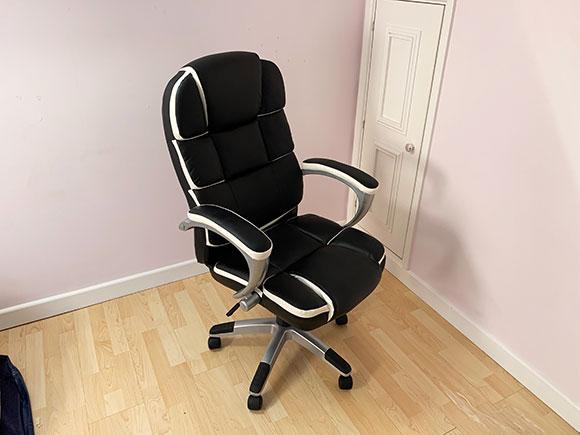
    Office chair

    Trawling through my photos from the past three and a half months, I found very few which would be suitable to accompany what I wanted to write today. The photos on my phone are mostly of my cat(s) and not much else. However, this photo does – rather cryptically – allude to what I am now writing about.

    When I started the lockdown, I decided that I wasn’t going to bother with a desk or an office chair at home; that I would muddle by with my laptop on my lap. I decided – wrongly – that it wouldn’t be worth the effort of setting up a proper office at home.

    As I already wrote a few days ago, I started the lockdown drinking copiously. Every day after work, I would pour myself a large glass of wine. I would estimate that my alcohol consumption was somewhere in the region of 8 to 10 bottles of wine per week.

    As I already wrote a few days ago, I started the lockdown physically dependent on medication. Every night I took sleeping pills. Every day I took tranquillising sedatives.

    Then, it became obvious that there would be dire consequences to my physical health.

    I didn’t want to finish lockdown as a fat alcoholic pill-popper with a hunched back.

    Because I delayed setting up my home office, I didn’t have a lot of choice for a desk and an office chair, hence why the ugly garish monstrosity – pictured above – has become part of my home office. The desk is super ugly too. However, it’s good to have a more professional set-up instead of reclining on my sofa.

    The health improvements to my life don’t feel like they’re paying dividends. I still feel overweight, unfit and I still crave alcohol. Ostensibly, I feel much the same as I did when I was guzzling booze, popping pills and spending 16 hours a day reclining on my sofa. However, we must acknowledge that there is a very significant difference between an alcoholic pill addict, and somebody who drinks in moderation at the weekends, and is entirely medication free. That I have stabilised myself and found almost liveable and almost bearable sustainable routine without my crutches, is not an achievement which should be underestimated.

    The backdrop to the past four months has been the global pandemic which has claimed hundreds of thousands of lives, and threatens the livelihoods and living standards of hundreds of millions, if not billions of people. If there was ever a time to feel insecure about money, work and housing, it would be now.

    I wouldn’t describe myself as a particularly anxious person, but the past 5 years of my life have been spent with the threat of destitution hanging over me. I’ve been forced to generate vast amounts of money each year in order to protect my credit rating and employability, as well as to simply pay rent, bills and service debts. The amount of money needed to escape my predicament was so vast that I was forced into high-risk high-stress situations, which were potentially high-reward. Eventually, perseverance paid off. There was no other choice: a crappy salaried job would have inevitably led to bankruptcy; the books simply didn’t balance with some crap paying job.

    So, I’ve suffered 5 years of incredible, immense stress. I’ve suffered 5 years of living on the edge of ruin.

    When the pandemic started to get very bad in Europe my mood improved considerably. The havoc wrought by the pandemic has brought the stress and suffering that I was enduring into the lives of vast numbers of my fellow people. Suffering collectively is far more bearable than suffering alone.

    At some point, I want to stop talking about the difficulties in my past and to talk about the future. I want to put some distance between my past and the present. I want to have a period of wealth and security, which clearly delineates ‘now’ from ‘then’.

    I note that my abysmal childhood became unimportant when I started to have success and get ahead in life, in my late teens and early twenties. My rapidly growing bank balance, exotic travel, status symbols – like houses, cars and boats – and adventurous hobbies, felt like I could forget about past transgressions against me: the bullies and abusers were rotting, and I was thriving, so I wasn’t bitter and angry; I had broken free from the misery of the past.

    My rage at my parents – which has been a repeated theme of the past 5 years – and sad memories of a ruined childhood, which has caused me vast amounts of problems… all becomes irrelevant again, as my health and wealth are regained, and my quality of life improves manyfold.

    Yes, my crutches are going to change from alcohol and medications, to be luxury holidays and other trappings of wealth, but I don’t care. Alcohol and medications lead to misery and death – they’re a dreadful trap, which leads nowhere positive.

    I still have suicide as my ‘retirement plan’ but that’s a simple matter of practicality, given that I’m now unable to be likely to accumulate enough wealth to enjoy a comfortable retirement before my health starts to deteriorate. It’s something I’m going to have to learn to live with. Or rather, it’s something that’s going to kill me. C’est la vie. C’est la mort.


    Tags:

  • I Let My Friend Commit Suicide

    This is a story about playing god…

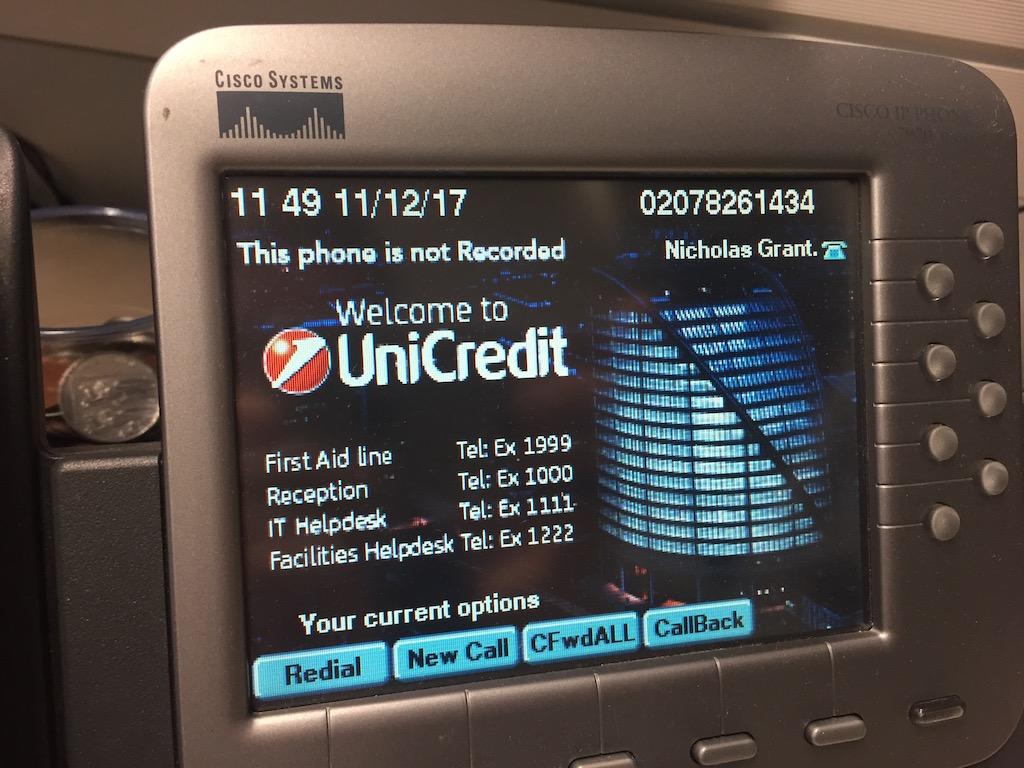
    Phone

    On the 10th of December 2017, a very close friend of mine got me a job at an investment bank. He knew that I was virtually bankrupt. He knew that I had very nearly managed to commit suicide. He knew that my self-esteem was at rock bottom and that I had nothing going for me: no fixed abode, no money, mountainous debts, alcoholism and large gaps on my CV which were difficult to explain.

    My friend rang me up and asked if I was sober enough to create a piece of software for the bank he was working for. I said that I could be as drunk as a skunk and still make a decent software system, but that I wasn’t in too bad shape – he could count on me to deliver a successful project, if he recommended me as a freelance software engineer to his boss.

    If you’re particularly interested in the more identity-theft worthy items of my story, I present to you above, the proof that I had proudly put on my suit and gone to work in the Square Mile – also known as the City of London – thanks to the endorsement of my friend. I had spent the day before with my friend and his boss in Warsaw, where they were based, and I was allowed to work in the London office, which is pictured.

    A year later my friend phoned me and told me that he was going to commit suicide, by taking an overdose of insulin. I asked him how much insulin he possessed and in what form – vials and ‘rapid delivery’ pen cartridges – so I could calculate how many doses of insulin he had, and whether it was a lethal dose.

    Insulin aspart units is what the layman needs to understand. One 10ml vial might contain 1,000 units. One 3ml pen cartridge might contain 300 units. The important thing is to add up all the vials and cartridges that somebody has, and then you can work out how many units of insulin aspart they have in their possession. My friend confirmed that he had many thousands of units of insulin aspart. The highest recorded survival of an insulin overdose was much lower than the amount my friend possessed, and that patient was left very badly brain damaged. In short, it was a credible suicide threat.

    (FYI: people have made surprisingly frequent disclosures to me that they plan to commit suicide by overdose, but this was the first credible overdose plan I’d heard)

    So, having scoured the medical literature for the LD50 – the dose that will kill 50% of people – and found that my friend could definitely commit suicide with his insulin, I then did further reading about how long it would take him to die, how long he would remain in a state where he could be saved, and how much suffering and pain he would endure.

    Incidentally, he phoned me on a Monday morning while I was at work. I was in Wales and he was in Poland. I was frantically doing this research as rapidly as I could, while trying to keep my friend talking to me; stalling him from following through with his plans.

    My research concluded that he would suffer a short period of panic and disorientation – including extreme hunger – before blacking out. He would quickly fall into a hypoglycaemic coma, and would suffer no pain.

    Far more disturbingly, my research concluded that he could be ‘saved’ by rapid medical intervention – an intravenous infusion of glucose – for a substantial period of time: 2 or even 3 days would be ‘survivable’. The worst possible outcome would be that he would be ‘saved’ after 12 to 36 hours, when he might still be in a coma, but he would have suffered terrible brain damage. The case study I had read of the patient who holds the ‘record’ for the highest ever insulin overdose which was survived, was left with terrible brain damage. All my research led to a single conclusion: if my friend injected all his insulin then I had to call the emergency services IMMEDIATELY or wait until he was beyond the point of ‘saving’.

    This sounds like playing god, doesn’t it?

    You remember that time your kid was choking on a bit of Lego and you whacked them on the back so they coughed it up? That was playing god. You remember when your dog was getting old and sick, and you decided they had no quality of life anymore, so you had the dog euthanised? That was playing god.

    I’m not a doctor.

    I’m not a vet.

    I’m not a parent.

    What exactly qualifies a person to make a life/death decision?

    In this instance, I knew that my friend’s diabetes had ruined his circulation and his feet were becoming gangrenous, that he was becoming jaundiced and that his eyesight was failing, because of his mismanagement of his diabetes. In short, he struggled to go about his ordinary daily business, and his health was rapidly deteriorating. I’m not a doctor, but I’m not a magician either – nobody can wave a magic wand and make the chronic irreversible health damage from alcoholism and diabetes disappear. I’m not a doctor, but I know that they don’t give liver transplants to alcoholics. I’m not a doctor, but I know how long somebody has to live once their liver is starting to fail and they continue to drink multiple bottles of vodka every day.

    Ultimately, it wasn’t my decision to make.

    My friend phoned me because he knew that I would understand the situation and that I wouldn’t panic and phone the emergency services. He knew that he could say goodbye to me, and I would let him die with dignity; in the manner of his own choosing.

    Let’s not fuck about here: sitting doing nothing, waiting for your friend to die before you ring the emergency services to go and get the body before it starts decaying, is an awful, awful, awful thing to have to do.

    Can you imagine knowing that your friend is dying, and that the best thing to do is to do nothing? Every single moment of your childhood, you were told to dial the emergency services if somebody was sick or dying. There was no ambiguity about what to do when somebody’s life’s in danger: ring the emergency services. EMERGENCY! EMERGENCY!

    If I phoned the emergency services too soon, my friend would have been ‘saved’ and then would no longer have had the opportunity to end his life in the manner of his own choosing. He probably would have been extremely brain damaged, and therefore unable to attempt suicide again. He would have lived out his short remaining time in a hospital bed, dying of liver failure, which is a very unpleasant way to die. Sure, the hospital would have made him as ‘comfortable’ as possible, but what comfort is there in being bedridden, watching your friends and relative weep and wail about your imminent inevitable demise. My friend had considered all these things.

    Did I mention we discussed all this? We discussed all this at length. I went to a great deal of effort to persuade my friend of more positive alternatives. I tried my very best to convince him that it might be much better to use the short time he had left – before liver failure killed him – in order to take a trip of a lifetime, and/or see loved ones.

    We have to understand that this was his decision, based on the terrible choices he faced. There were no ‘good’ options. He had to choose between a quick painless death or a slow painful one, with all of his family, friends and co-workers by his bedside, watching him slip away.

    What my personal opinion of the ‘right’ choice was, is of no concern. My friend asked me to keep it a secret that he was killing himself, until he was dead, and that’s what I did. I honoured his wishes. I was a loyal friend who did a very difficult thing, because I knew it’s what my friend wanted.

    “Oh but your friend really wanted to live” or “it was a cry for help” or “you should always phone the emergency services; you’re not qualified” etc. etc. are all the very many opinions I have to defend myself against. Bullshit. Bullshit. Bullshit.

    I spent 3 days, not sleeping, not able to think about anything other than the fact that my friend was dying, and then I phoned the emergency services to go and retrieve my friend’s lifeless body and notify his next of kin. It was the hardest thing I’ve ever done in my life. It was also the right thing to do because it was the dying wish of my friend. There were no good options. I chose the least bad option.

    Today is the anniversary of the phone-calls, the discussions and the decision. Today is the last time I spoke to my very dear friend. For exactly one year, I’ve had to live with the guilt of knowing that I kept a terrible secret, for just long enough that my friend could pass away painlessly.

    It’s a terrible thing, but I let my friend commit suicide, and I did nothing.


    Tags:

  • Step Twelve: Competition Provides Motivation

    This is a story about wanting to be number one…

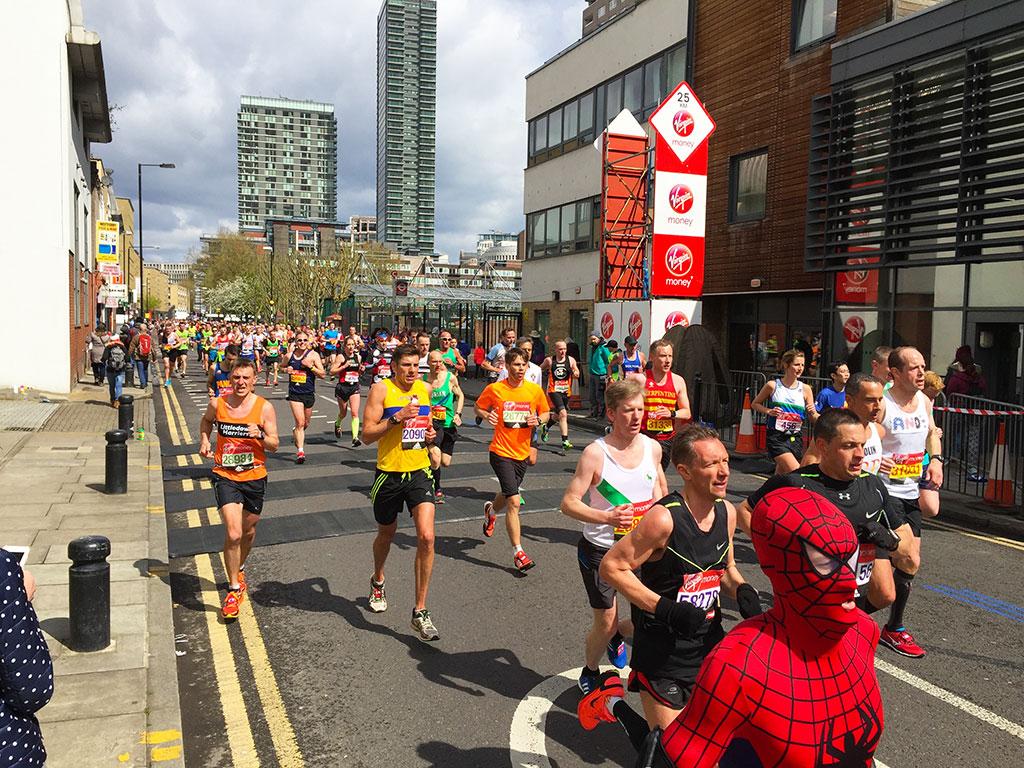
    Marathon

    “I’ll quit… tomorrow” is the old joke and oft-repeated mantra of many an addict and alcoholic. For those who wish to achieve something difficult, with limited reward, it seems obvious that they would be setting themselves up to fail if they were only doing something because they were being coerced by family, friends, co-workers, doctors and/or wider society, which pours scorn on our vices. Why should we give up our vices? Why should we live without the little things which “take the edge off” a rather miserable and painful mortal existence?

    There is very little motivation, if the only achievement is to end up not doing something. What is anybody going to say to you if you’re not smoking, for example? Nobody is going to congratulate you for not smoking, so what is the reward? If you don’t drink, you’re quite likely to be punished for your abstinence – social exclusion and peer pressure are commonplace for teetotallers.

    It’s hard to achieve anything if success is only measured by yourself – only you know how hard it was to achieve what you’ve achieved, and the fact that you aren’t allowed to keep telling people how great it is that you don’t drink and you don’t smoke, unless you want to be hated for being horribly smug with yourself, means that you might as well not bother trying to do anything difficult, which doesn’t bring praise and admiration.

    We can watch with wonder as a young kid does 100 keepie-uppies with a football. We can all watch with wonder as a person wheelies their bicycle down the road. We can all marvel at the skill and fitness of sportsperson, but just looking at an average person who’s not drinking, smoking or taking drugs, it’s pretty hard to understand that it might be a massive achievement for them, to be avoiding those addictive substances on a daily basis.

    Thus, the solution is to create artificial competition.

    My first lengthy period of sobriety – 121 consecutive days – was achieved when I wanted to beat a friend’s record of 100 consecutive days, and I wanted to beat it by a significant margin in order to make it harder for him to re-take the lead in our competition. Using competition in this way was extremely effective as a motivational tool.

    My present episode of self-imposed abstinence from alcohol has been partly motivated by the public declaration that I would be doing this, and therefore there are friends who have been following my progress – they will feel happy that I’ve completed “Sober October” and they will congratulate me, which provides the necessary praise and reward to make it worthwhile.

    My current sobriety began when I was chatting with a work colleague and we were discussing the damage that alcohol had wrought in the lives of people they knew, and I made a commitment to stop drinking for a period of time. The time period was unspecified, but I felt obliged to follow-through with a significant period of sobriety, because my colleague showed that they care about me, and they will be pleased that I have been taking a break from drinking.

    Competition is something which I mostly hate, because it brings out the worst in people: cheating and bullying; the strong crushing the weak. I think that competition is a poor basis for a civilised society, because it’s miserable for everybody except the person in first place. Competition leads to a race to the bottom. Competition quite naturally leads to an anxious state of affairs, where there is continual pressure to compete, which is toxic to any sense of safety and security, and destroys people’s mental health. Competition is unhealthy.

    I’ve used competition as I kind of “I bet you I can quit alcohol for a significant period of time” kind of thing, which has provided the motivation to allow me to give my body a break from drinking. I can tell my work colleague that I’ve been sober for 43 consecutive days, without being smug about it. I can tell my work colleagues that I spent the whole of October sober, without being too smug about it. I can tell you – my dear readers – that I’m doing what I set out to do, which is to maintain control over an addictive substance, which is insidious and had crept into my life too much, so I cut it out for a while.

    I have friends who have decided to be teetotal for life. I’m sure they will live longer, healthier lives because of that decision, and I’m sure it will give them more money to spend and they will have more time and money. Those are fantastic benefits, but I’m quite content to remain a person who drinks alcohol, given that I cannot find adequate motivation to be a lifelong teetotaller. Wine and beer bring me more pleasure than the benefits of total abstinence, although I do need to take regular breaks – like this one – from my drinking habits.

    I’m not sure when I’m going to drink again. Every day after today is a bonus: an extra day which benefits my health, but yet I feel no more obligation to remain totally sober, given that I’ve got another lengthy period of sobriety under my belt, which has improved my health, given my liver a chance to repair itself and helped me to lose a little weight (or at least not gain any).

    I could continue not drinking, in order to achieve goals like getting fitter, losing weight and being more active, but it’s cold and wet and wintery and I really can’t be bothered. One step at a time. I’m struggling to get motivated about much at the moment, so I am content to celebrate this minor victory: 43 consecutive days without any alcohol and a fully Sober October.


    Tags:

  • Step Eleven: Avoid The Supermarket

    This is a story about marketing…

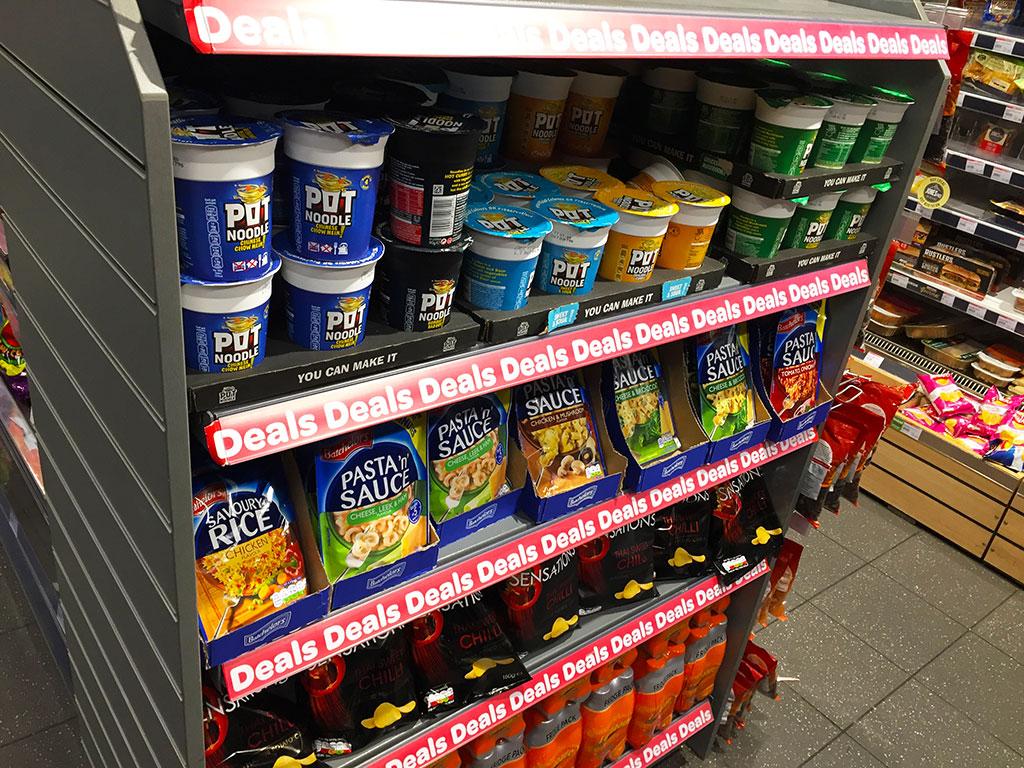
    Deals deals deals

    I was on my way home and decided to nip into a large supermarket, as opposed to my small local shop, where I usually top up my groceries on a more regular basis. If I go to a large supermarket, I’m always tempted to fill a trolley with lots of nice things and purchase far more food than it’s possible for me to consume before its expiry date, which is incredibly wasteful. I do enjoy shopping in supermarkets, but there are a multitude of temptations, which are better avoided. Less choice is better, because it means that I only purchase the specific items I need.

    Of course, supermarkets are aware of the human psychological fallibility, when it comes to being presented with greater choice. If one set of test subjects are offered a bowl full of multicoloured sweets, and another set of test subjects are offered a bowl of sweets of a single colour, more of the multicoloured sweets will be consumed, even though the only difference between them is the variety of colours – the flavours are identical. We are programmed to consume the greatest possible variety, because this would have conveyed an evolutionary advantage, given that our bodies need trace amounts of micronutrients, which we wouldn’t get if we only ate our favourite thing, exclusively.

    As I lingered by the checkout, waiting to pay for my groceries, I could see two aisles full of alcohol, in very close proximity to where I was forced to wait. In fact, I had been forced to walk past two alcohol aisles twice, due to the layout of the supermarket. At the end of each aisle were various alcohol deals, along with other aisles which also had alcohol deals at the end, and alcohol deals which were part of meal deals, and other displays of bottles of wine which were dotted around the store. As a conservative estimate, I must have been presented with the opportunity to purchase alcohol – within grabbing distance – perhaps 20 times in one supermarket visit, despite the fact that I didn’t walk down either of the alcohol aisles.

    Given that I have completed 30 of the 31 days of “Sober October” it was highly tempting to buy some alcohol in preparation for November 1st, when my self-imposed period of sobriety ends (perhaps). I tried to remember that I promised myself I would endure with my alcohol-free existence until I had achieved some tangible goals, such as weight loss and generally feeling healthier and happier, but the combination of payday and November 1st being a Friday, plus my flawless completion of 42 consecutive days of sobriety, was leading me to feel as though I ‘deserved’ to get drunk at the end of the working week.

    It’s virtually impossible to avoid supermarkets, corner shops and indeed, to travel anywhere without passing an off-license or some other premises that sells alcohol. Alcohol is ubiquitous. I pity alcoholics, and I pity recovering alcoholics, who must continually endure marketing attempts to push them into relapse. While my 42 consecutive days of sobriety have passed with relative ease, it must be a nightmare for somebody with a serious alcohol addiction, or somebody who has conquered alcoholism but is always at risk of relapse.

    “Avoid the supermarket” is terrible advice, because it’s nearly impossible, but I thought I should write about it anyway. We need to acknowledge that the most dangerous and damaging drug – alcohol – which costs our society by far and away the most amount of money due to antisocial behaviour, health damage, loss of productivity and a whole raft of other problems, is something which is sold anywhere and everywhere, and heavily marketed and promoted. It’s virtually impossible to avoid alcohol being “pushed” by a “drug pedaler”.

    My present period of sobriety has brought me no particular weight loss, health improvements or otherwise discernable benefits, but I’m glad I’ve done it. I’m glad to have demonstrated that I can stop drinking whenever I need or want to, because alcohol is insidious and can easily creep into your daily routine, and slowly destroy your health. It’s been useful to be acutely aware of how regularly I am drawn to the alcohol which is on sale in so many locations, as to make it all-but unavoidable.


    Tags:

  • Step Ten: Don’t Suffer Fools

    This is a story about the hard-of-thinking…
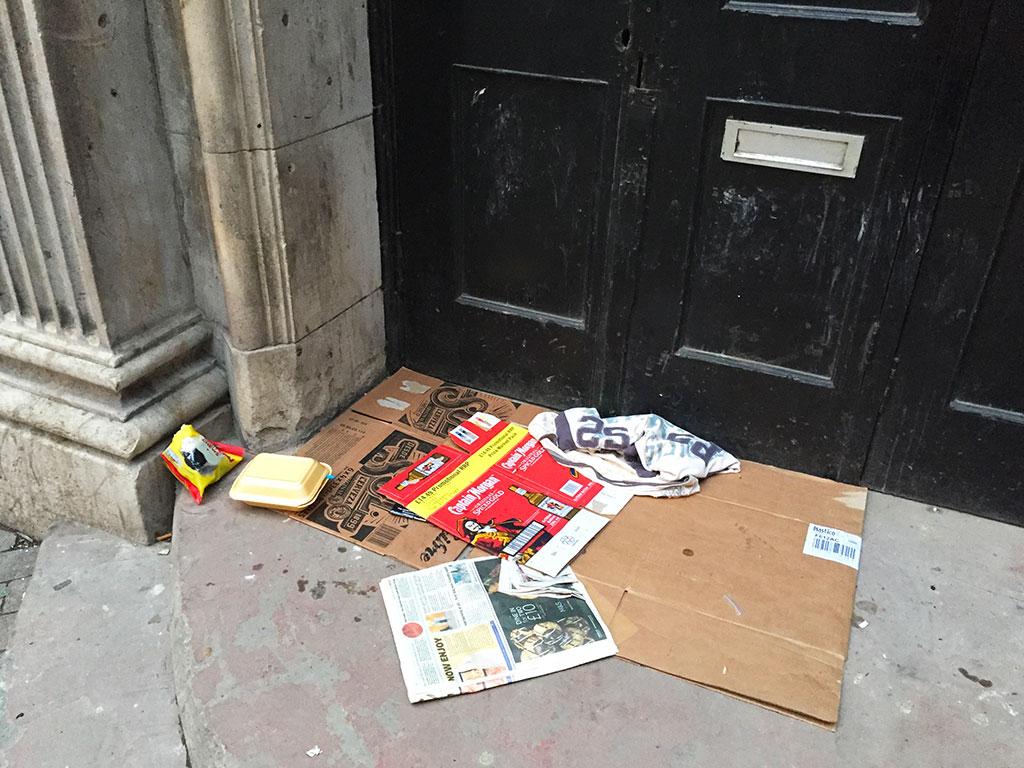
    Doorway

    I have a friend who can only be described as a racist and an anti-feminist. It’s worth letting that sink in for a second, and then repeating. I have a friend who can only be described as a racist and an anti-feminist. How can this be possible? How could I be friends with a racist anti-feminist?

    At first, this friend began to announce his anti-feminist views publicly on social media, which was a shock to me, because I had presumed he was an educated left-wing metropolitan liberal elitist, like myself: a product of the university system, and therefore his political viewpoint and stance on such matters as racism and sexual equality could be presumed to be correct. My presumption was wrong. He began by strongly asserting his anti-feminist stance, suddenly and shockingly, in a very public manner. I did not know how to react, except through a combination of condemnation and ignoring it.

    Then, this friend began to indicate a right-wing viewpoint very publicly, on social media. This was perhaps less of a shock, given that he had shown himself to hold views which I despised, on the subject of sexual equality, but it was still nevertheless, shocking to see somebody who I considered to a be well educated, erudite and thoughtful individual, sharing content which was so right wing that it was bordering on outright racism. I did not know how to react, so I used a combination of condemnation and ignoring it.

    Then, this friend became openly racist, in public, on social media. This was again, shocking, because I never imagined that I would ever encounter a racist amongst my small group of hand-picked friends, almost all of whom have enjoyed privileged socioeconomic advantages, university educations, professions and share a similar set of politics and values. I did not know how to react, so I used a combination of condemnation and ignoring it.

    After my friend had spent some considerable length of time espousing views which I found vile and abhorrent, I was faced with a choice: should I cut all ties with this friend? It seemed to me that I was duty-bound to do so. My upbringing had provided no explicit guidance on how to handle this precise situation, but it seemed as though the right thing to do would be to pretend as though I had never been friends with my friend, and to distance myself from them as much as possible; to cover up the fact that we were ever friends and to sever all ties. It seemed like I was supposed to eject that person from my bubble.

    I realised that if I did eject that person from my bubble, then I would never have any insight into the mind of an anti-feminist right-wing racist, and I felt that it would be detrimental to me, given the homogeny of the views of my other friends. The views of all my other friends are all so broadly similar, that I had never encountered a viewpoint which I felt compelled to condemn, much less acknowledge existed: in my liberal metropolitan elite world, I thought that racism had been defeated, along with sexism and anti-feminism. I thought that there were only small pockets of knuckle-dragging racists to be found in the poorest and most deprived communities, where the poor brutes knew no better so I was perturbed that a person who had enjoyed such socioeconomic advantage might turn out to be such a racist and anti-feminist.

    I invested a substantial amount of energy in condemnation of my friend’s views, attempting to persuade him to change his ways, but I made little progress.

    I considered again, whether the wise course of action was to abandon the friendship and to block him on social media; to distance myself from him and to pretend that we had never been friends. Again, I felt as though I was committing some kind of immoral act, by not tossing our friendship into the dustbin – something I felt a weight of expectation to do without hesitation, the moment that any friend said anything which was remotely incorrect according to liberal dogma. Racism, certainly, is the ultimate taboo and I knew that it must carry the harshest penalty – immediate ostracisation, and denial that we were ever friends; immediate castigation and abandonment.

    Yet, I did not abandon the friendship.

    Does this make me a racist sympathiser? Do I endorse my friends anti-feminist views? Of course not. Do not be so ridiculous.

    Recently I’ve had the opportunity to probe the origins of my friend’s views, and quite quickly discovered where he had erred. He enthusiastically cited the extremely strong link between race and crime, in the United States – particularly that black men are disproportionately incarcerated versus the overall number of black U.S. citizens in the general population. This, for him, was concrete proof that “the races are different” and therefore his racism was justified. Naturally, I pointed out that correlation does not equate to causation, and by far the biggest cause of criminality is poverty – the race argument is null and void: the statistical link disappears when we control the wealth variable.

    My friend persists with arguments, born in the time of the eugenics movement, and pseudoscience which is regrettably ubiquitous, which appears to provide legitimate research proving a link between race and IQ. Of particular fascination to my friend was any data which showed that black people had significantly lower IQ than white caucasians. Naturally, I pointed him in the direction of how these dreadfully low-quality academic papers were published in fringe journals, bankrolled by racists, and received little or no peer review; their findings utterly discredited and the quality of the work found to be nothing better than abysmal.

    My friend and I have regular conversations, and each one is at least interesting which is far more than can be said for any discussion I might have with fools who hold viewpoints, simply because of anecdotal evidence, or because the liberal media finds the narrative to be particularly popular with its readership. If I was the editor of a left-wing newspaper, read by wealthy metropolitan intelligentsia, of course I would publish news stories about black lesbian disabled homeless women being raped and murdered by the patriarchy, because outrage sells newspapers. However, the anecdotal evidence gathered by those of us who wander around with a bleeding heart – myself included – does not have any validity, beyond our own confirmation bias: we seek out so-called evidence to reassure ourselves that our values and beliefs are correct.

    My patience has run out for idiots who waste my time, parroting media narratives instead of using their so-called intellect to direct their energies towards the truly important issues. Racism, domestic violence and sexual discrimination are very real and they cause terrible suffering, but to mistakenly believe – as so many do – that women, for example, are at greater risk than men, is demonstrably absurd and grossly incorrect. Men are 85% more likely to be violently assaulted. 79% of all murder victims are male. Again and again, the exhaustive research has overwhelmingly and incontrovertibly demonstrated the truth all around us, yet there are wilfully ignorant idiots on both the left wing and the right wing, who continue to perpetuate myths and lies. My friend the racist is just as bad as the former friend who chose to block me, because she preferred to live in her bubble, believing that women are the victims of the majority of violent crime and murder, when in fact the polar opposite is true.

    My friend the anti-feminist racist is wrong to hold the views that he does, and I hope that one day he might be persuaded by the overwhelming evidence and convincing research, but at least he is still talking to me and I am still able to challenge his erroneous thinking. The woman who I thought of as a friend, who would characterise herself as a feminist, has actually proven herself to be sexist: to deny that male victims of violence and murder far outnumber female victims, is pure delusion, driven by sexism. To block me on social media and to pretend our friendship never existed is quite typical of a sexist or other person who holds abhorrent views which they do not wish to be challenged. Only by remaining in our isolated bubbles can our wilful ignorance persist. I have lost any further opportunity to persuade – with great ease – my former friend, the sexist, of the overwhelming body of evidence which shows the appalling situation suffered by male victims of violence and murder. This is a predictable characteristic of weak-minded fools who rely too heavily upon the media to instruct them on how they should think, in place of an intellect which they sadly lack.

    My energies are presently consumed with work, health and of course, having a brief period of sobriety, which these steps partly document.

    My point this evening is simple: the world is full of idiots, and one should rely upon high quality evidence and research, not popular opinion within your social media bubble. Of course, one must be careful not to fall afoul of pseudoscience and the temptation to draw incorrect conclusions from raw statistics, but provided you keep a group of intelligent friends around you, then you will at least have a better chance that any mistaken beliefs you hold might be corrected. The ignorant idiots who wish to surround themselves with likeminded fools, are no loss, and no effort should be expended upon them. I am glad that I am friends with somebody who holds detestable views, and I feel no regret for losing the friendship of somebody who holds no views at all other than the media narratives which are pedalled by the limited sources upon which they rely on, in the absence of their own intellect.

    In closing, we should be reminded once more: men suffer dreadfully. The life of a man is virtually worthless. That suicide should have been allowed to become the biggest killer of men in the prime of their life, with few tears shed, is an awful state of affairs, and it is accompanied by other terrible things: 97% of workplace deaths, 78% of all murders, 75% of all suicides, 65% of all violent assaults… the list is virtually endless. Men are overwhelmingly the victims, yet this is not the impression which a person would gain, if they keep themselves inside their bubble.

    It’s vitally important that I maintain perspective, given that my life is at stake. This sounds hyperbolic of course, because we have been brought up to believe that men are strong, when demonstrably a man’s life is extremely precarious – the evidence is overwhelming.

    During the last couple of days of my “Sober October” I’m particularly mindful of the precarity of my existence, combined with a great deal of stress regarding my work and a matter which hangs over me, threatening to end my career. I feel unwell. I am in need of some winter sunshine. I need to take a break, having worked very hard for a lengthy sustained period. My future hangs in the balance and my health is fragile; my efforts and energies invested to reach this point presently count for nothing – no safety or security has been achieved, and things are as uncertain as they ever were.

    With this in mind, it is with very little regret that I refuse to suffer fools gladly and lose so-called friendships, to whomsoever proves to be immovable in the face of overwhelming facts, preferring instead to treat me with sexist contempt and hold little regard for the danger my life is in.

    Survival is paramount.


    Tags:

  • Step Nine: Prioritise

    This is a story about the critical path…

    Backpacks

    Having attended 8 different schools and basically had my sense of stability and security snatched away from me at every opportunity, by my selfish parents, during an upbringing where they prioritised their own antisocial desire to take drugs in isolation above everything else, I’ve learned the hard way what’s important and what’s not.

    I place a very high value on loyalty, but I know from bitter and disappointing experience that there are extremely few people who are at all loyal in the world. I very rarely encounter anybody who I would describe as loyal, let alone trust. Because my parents forcibly removed me from anywhere I was becoming settled and secure, on so many occasions, it was necessary to find a coping mechanism for the destruction wrought upon any relationships; any attachments which I had formed. Through no fault of my own, and indeed through the wickedness of my parents, I was forced to become able to remain emotionally detached from people, such that I could disentangle myself without the heartbreak, repeatedly perpetrated against me, while my parents pursued their antisocial selfish drug-taking lifestyle.

    Repeatedly moving house also destroys a child’s sense of security in their home and their bedroom. What’s the point in getting attached to a place if your parents are going to wrench you from it, the moment you begin to feel at home? Again, I was forced to develop coping mechanisms for the selfish antisocial drug-taking lifestyle, which perpetrated such an unsettled home life upon me, leaving me with no sense of ‘home’ or ‘belonging’ – these things are meaningless terms to me.

    “Where are you from?” people often ask me. How on earth do I answer that question? I have had a childhood which no child should’ve had to suffer. Children need stability and security; consistency. Children need their friends; children need their house and their school and they need a place which they can call home – be it town or village. If you rob your child of this, you are an evil and wicked person.

    Where I currently sit, on my sofa with my cat snuggled next to me, there are approximately ten books which I haven’t read, six board games which I haven’t played, a few other items of furniture and some fake plants, all of which I would consider entirely disposable. If my house burned down and I lost every single possession, it would be a mere inconvenience to process the insurance claim – there is nothing in my life which I’m emotionally attached to. Even my cat, who I adore, could be re-homed and live a very happy life. It would, I admit, be hard for me to return to cat-free existence and I would soon seek to get another cat at the earliest practicable opportunity, but while I do love my beautiful kitten, I know that her loyalties lie with whoever is feeding her; cats are not loyal and they do not truly reciprocate love, because they are simple creatures, although incredibly beautiful and loveable.

    Why have I led this essay with such a bitterness-filled tirade? Well, it sets the scene for the important point I’m about to make.

    If you need to achieve something very, very hard, you have to know what you can afford to lose.

    To go on the journey from penniless and homeless, abandoned by friends and family – or at least given a temporary wide berth because they mistakenly and misguidedly believed they needed to protect their families from “that homeless guy” who they used to call their friend or relative – then you need to know what is on the critical path, and what is not.

    We live in a capitalist society (unless you are reading this in North Korea, which I very much doubt) and as such, the cultural indoctrination has been so successful that nobody will piss on you if you’re on fire, because they believe that there is some cash value for their urine, or at least expect to be paid in advance for emptying their bladder in order to extinguish the flames. Thus, while it’s laudable to do acts of random kindness, most people will cut off your head and shit down your throat, if they think it’ll contribute 0.000001% towards getting their kid an “A” grade in their exam.

    Money is at the root of everything. Concentrate on getting money and everything else falls into place. This might sound shallow. This might sound like terrible advice. Indeed, it would be terrible advice for any person who had a brilliant childhood where they were raised by normal parents, in a normal house and went to school like a normal kid. Unfortunately, for those of us who were denied that by our wicked selfish parents, we have to buy our way through life; we have to prostitute ourselves. We have no place to call home which will welcome us with open arms – we have been forced into nomadic exile; belonging nowhere and to nobody.

    People have been kind to me, but people have been disproportionately unkind to me, such that the net balance means that I have suffered far more than I have benefitted. I am immensely grateful for those few loyal, generous and kind people who have treated me well. My sanity, dignity and self-esteem is only preserved by that tiny group who have chosen not to shun, marginalise, exclude, ostracise and spurn me; to eject me from society and reject me from anywhere I might gain a sense of belonging.

    A man’s life is worth very little, and I use the word “man” quite deliberately, because it is men who freeze to death on the streets, only to be cremated, with no mourners. There are some women, but they attract a disproportionate amount of sympathy, given that they suffer less violence, and have far better prospects than men do. You might immediately feel that I’m wandering into the territory of a misogynistic rant, but I merely present the simple facts. “Hate” facts you might call them, if there was any malice in my words, but there is not. It’s simply a bleak appraisal of a life, as a man, which sees me far more likely to be murdered, assaulted, killed at work, jailed, homeless or suffer any number of horrible outcomes, than if I had been born without a willy in-between my legs.

    So, what about the priorities?

    Earn money. It’s a practical necessity in capitalist society, and without it you will be trampled, spat on and kicked to death. There are no other priorities. Making friends is not important. Having a place to call home is not important. Having a family is not important. Everything can wait until you’ve got some money. That is the priority: get some money, then everything else will fall into place.

    Once you have money, you will find that everything can be bought. You can attempt to persuade yourself that everything you have was not bought, but I can reassure you from bitter experience, that nobody wants to come and visit you in the gutter, if you’re penniless; nobody wants to be in a relationship with you; nobody wants to help you… nobody even wants to see you. That’s right, if you’re poor, people would much prefer it if you were totally invisible.

    How does this relate to my own personal version of the Alcoholics Anonymous Twelve Steps abstinence-based program to achieving sobriety? Well, it’s pretty simple really: step nine says get rich, and don’t worry about anything else. The world is full of wealthy drunks, and nobody cares about their alcohol problems. Alcoholism is a disease of the poor. If you’re not poor then you’re not an alcoholic anymore… you’re just somebody who enjoys a drink; you’re a party animal; you’re suddenly a great guy or gal who’s surrounded by heaps of friends.

    Of course, don’t be so stupid as to lose your money, which can very easily be done when gregariously and generously buying drinks for all your friends, because of course without money you’re nothing but a worthless alcoholic scumbag. That’s the secret, you see: stay rich and you’ll be fine; concentrate on the money and everything else falls into place.

    You might think that this sounds like terrible advice, and it probably is. If I screw up and lose all my money, you will laugh at me and tell me that I am a fool, and in all probability I am more likely to fail than I am to succeed, so you are making a cowardly bet, to bet against me. If I succeed, then I don’t give a shit who you are or what you used to think about me, because I can do whatever the hell I want; I can have whatever I want.

    In this hell-hole of a capitalist society, prioritise one thing and one thing alone: money.


    Tags: