alcohol – Page 2 – Nick Grant

Tag: alcohol

  • Step Eight: Be Selfish

    This is a story about looking after number one…
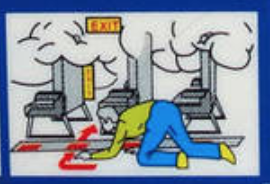
    Safety card

    I just spent about half an hour searching for a specific picture which I know I took, because I have a photographic memory. I quite clearly remember the harrowing scene depicted, of the person crawling out of a burning aircraft. Perhaps I have muddled up some parody/meme image with my constant snapping of everything vaguely interesting, but I am certain that it was a photograph which I took and have uncharacteristically misplaced.

    Why the hell is this important?

    Well, every day I have to think of a title, introductory line, a rough outline of what I plan to write, and I choose what I think is an appropriate photo to accompany my piece. It might often seem like the pictures are unrelated, but very often a photograph is the thing which prompts what I’m going to write.

    In today’s instance, I knew what I was going to write, and I knew which photo I wanted to accompany the piece, but I couldn’t find it despite a thorough search.

    I imagine that many people are quite thorough and meticulous about organising their lives, and I am too, but in my own unique way. I can quickly lay my hands on on what I need, given that I have taken the various essential tasks of my life and turned them into efficient processes, despite not spending an inordinate amount of time on systematically organising stuff.

    I deal with a substantial amount of stuff. I run my own business, which requires me to do monthly payroll submissions to HMRC, quarterly VAT submissions, annual accounts, self-assessment tax return, corporation tax, dividend tax, income tax, national insurance, annual shareholder statements, board meeting minutes, dividend certificates, professional indemnity insurance, 3rd party liability insurance. I live an ordinary life, which brings rental contracts, house inspections, gas and electric meter readings, tenant insurance, home contents insurance, pet insurance, car insurance, car tax, car roadworthiness testing, car servicing, car maintenance, cleaning the house, feeding the cat, scooping my cat’s poops and replacing her kitty litter, recycling, bin day, mowing the lawn, composting, buying food, preparing meals. None of this is unusual, but it’s not insignificant.

    With the continuous unrelenting pressure to do a good job at work, and impress my colleagues, combined with the constant threat of ending up bankrupt, homeless, penniless and destitute, it’s an intolerable amount of stress and anxiety, heaped upon me. Although I’m not drowning in ever-growing debt – my income far exceeds my expenditure – I don’t have any job security, housing security or financial security. The position I find myself in is immutable: there are no alternative choices I could take.

    “Why don’t you take some time off?” or “why don’t you do some unpaid voluntary work” or “why don’t you switch careers?” or “why don’t you study something interesting?” are all as utterly ridiculous as asking me why I don’t just wave my magic wand and turn a pile of house-bricks into a pile of gold bullion. My situation is completely, rigidly, unalterably dictated by my circumstances. There is no other way to structure my life, other than the way I have done it – my life is like a prison.

    Of course, I could always drop out of society, live in a tent under a road bridge, beg for money, eat at soup kitchens. Of course I have the option of becoming totally feral, and foraging for food in the forest, covered in dirt and clothed in rags. Yes, I suppose those are options which are available to me, but we must be aware that society operates a strict one-way street. Once I left society, I would never be permitted to return.

    “So Mr Grant, what have you been doing for the past 6 months?” asks the interviewer. “Living in a cave” comes my reply. “Where should we write to you if your application for the job is successful?” the interviewer asks. “I have no postal address” comes my reply. Thus endeth any attempts to re-enter society, once a person has dropped out. I suppose I could get a cash-in-hand job washing cars for illegal immigrants, and sleep rough on the streets, but I think I would rather go back to my cave than suffer such a fate.

    The point of this rant is that my life is finely balanced: it doesn’t take much extra demand placed upon me, to push me beyond what I can cope with, given that I’ve already endured such incredible hardship to get here.

    My journey has already included rough sleeping, hospitalisations and being locked up in secure psychiatric institutions. My journey has already included recent periods where I had no money and I had no income which is a pretty difficult place to come back from. My journey already took me to the limit of human survival, where I was in an intensive care ward of a hospital on life support in a coma, suffering from multiple organ failure.

    I’m feeling pretty fit and healthy, relative to how I was before. I’m feeling pretty financially prosperous, versus the time when I had no money and no income. I’m feeling as thought I have a realistic prospect of re-entering civilised society, as opposed to crushed beneath its heel, like a bug. However, it really wasn’t very long ago that I was in dire trouble, relatively speaking.

    So, I have to be careful about being too competent and capable, taking on the world’s problems; boiling the ocean. Only a few months ago I shunned anything and everything which would add more complexity and stress to my life, cutting things back to the bare essentials, so that I could cope. I’m little more capable of dealing with extra stuff now, but it’s easy for me to get carried away. Vast amounts of my precious time can be eaten up when I try to help with some “simple” task, which is always anything but.

    It’s hard to say “no” as an engineer. We are, by our nature, problem solvers who like fixing stuff. We have dogged unshakeable determination to follow a complex set of tasks through to completion. What use is a half-finished engineering project which doesn’t work? What use is half an aeroplane? What use is half a bridge?

    I don’t really know what my wants and needs are, but I know that it’s very important that I fend off things of no value: things that drain my time and energy, disproportionately versus any reward I receive. My blog is an engineering solution to a problem I had, where lots of people wanted to be kept updated about my woeful life, but nobody was offering any useful practical help, so it was a massive waste of time speaking to the rubberneckers who wanted to know every gory detail, despite being completely useless, and indeed counterproductive because it was valuable time wasted which could otherwise have been put to good use, earning money or securing a place to live. If you want a soap opera – human drama – then you can read the pages of this blog, but don’t bug me for your own personal show, because I don’t have the time.

    Of course, I love my online friends and they are very supportive, but only one or two have ever stepped forward to ever offer any real tangible thing of any use. Only one or two have ever made effort and taken risk, in order to help and support me. This is not to say that all the messages of support I receive aren’t lovely, and the concern that’s felt for me does lift my spirits, but I have to balance that proportionately against the effort involved. Lots of “sorry to hear you’re having a hard time” messages won’t pay my rent, if I’m in a financially precarious situation, so I have to prioritise work and other practical matters ahead of maintaining online friendships.

    As a group of supportive individuals, of course my Twitter followers – and one in particular – were instrumental in getting the emergency services to me and saving my life, so it would be churlish and mean-spirited to complain about the ‘burden’ of having people who are interested and concerned my welfare. Of course I want more friends, not fewer. Of course I want to maintain a good relationship with as many people as practicably possible, but I have to offset that with the effort involved and the probability of useful, practical payoff. I could never have predicted that Twitter followers would be so swift in delivering the emergency services to me in the nick of time – although I still nearly died – and I could never have predicted that I would receive vital practical things that I needed, exactly when I needed them, due to people who’ve read my blog. I could never have predicted that my blog would bring me new friends, who make the effort to come and visit me. All of these things are positive, but I also need to be careful, because social media is mostly a black hole, swallowing vast amounts of time and energy, and giving very little back in return.

    So, I say this as a reminder to myself: my blog is the way that anybody who’s interested in my life can stay up to date, without excessively burdening me. It seems unfair to ask for your own personal update, when I spend so much time and effort crafting these written updates, for the express purpose of keeping anybody who’s interested informed.

    Of course 1.3 million words are far too many for anybody to read in order to “get to know me” but also somehow too few… either way, I’m struggling to survive day to day through my essential tasks of: work, sleep, eat, write.

    It might sound selfish or antisocial, but this massive piece of writing contains everything you might ever want to know, if only you can be bothered to look. Don’t ask for me to look for you, because that undermines the very point of having gone to such a great deal of effort in documenting years of my life. There’s a search box at the top and I tag every post. Knock yourself out. Go digging. Explore – there’s plenty there.

    Meanwhile, I just need a simple, basic, undemanding life at the moment, because things are demanding and overwhelming and stressful enough. I don’t need any extra work, especially if it’s unrewarding versus the effort expended.

    This lengthy blog post has taken me all day to finish, because of various interruptions, some of which were very welcome – like a phonecall from a close friend – and others were questionably useful, when I might otherwise have been spending my time doing something more beneficial for myself. Spare time feels very scarce at the moment, so it should be used wisely and efficiently. I went to a great deal of effort to provide a vast trove of information, so it irks me if that effort is not delivering what I want it to, which is to avoid having to repeat myself.

    Anyway, I need as many friends as I can get looking out for me, but I have very little “spare capacity” to offer at the moment, and it’s wrong to ask too much of me – the resources are out there; you just have to look.

    I need to protect myself. I’m no good at saying “no!” and “enough!”.
     

    Tags:

  • Step Seven: Every Time Is Different

    This is a story about learning through doing…

    Supermarket basket

    The difference between an artist and a craftsman, is that a craftsman is honing their skills towards the most perfect and repeatable incarnation of a repetitive task, whereas an artist is honing their skills in general, in order to be able to express whatever they want with an intuitive fluidity. If you or I were “bad at drawing” as so many of us characterise ourselves, then we would spend most of our time grappling with the pencil and paper, instead of drawing the desired thing. The craftsman would be content to produce ever improving facsimiles or the same image, faster and faster, and with less pencil lead used. The artist would not even be aware of the pencil or paper, but instead would be free to express themselves increasingly exactly as they intended.

    A reader challenged me to write about what I’m learning, as opposed to writing in my lecturing tone which features quite regularly. Unfortunately they deleted their reply, so I only have my hazy memory as a guide to what their original suggestion was, but my guess would be that they wanted me to write about my experience of learning as a way of teaching.

    Every day, I am learning.

    Every time I write, I am learning.

    This entire exercise, of writing down my stream-of-consciousness, is a learning exercise. I write because it helps me therapeutically, but it also helps me to learn to be a better writer; to express myself in a [hopefully] ever-improving manner. Slowly, the keyboard, the screen, the website – all of this melts away and I’m able to express myself in exactly the way I intended; I put my point across as well as I could ever hope to, although I continually strive to do better.

    I’m also learning to be a craftsman. There is a craftsman’s psychology, which a person should possess – there are habits to develop, and you must strive towards perfecting repetitive tasks. The tiny details matter. You should attempt to iron out the imperfections and master your tools.

    I promise you I am not giving a lecture, again. I’m merely telling you the things that I’m realising – learning – as I’m going along. Right now, as I pen these very words, I am having a learning experience, which I am simultaneously sharing with you.

    Of course, the big piece of learning that’s happening right now, is that I’m going though yet another period of sobriety. Each time I stop drinking my experiences are different. I am not writing to tell you that I have perfected the art of sobriety. I am writing to share with you my experiences of being an on/off drinker, who has spent relatively lengthy periods as a teetotaller. A member of Alcoholics Anonymous might scoff at my 121 consecutive days of sobriety, but of all my friends and work colleagues, I would be hard-pressed to find another who had equalled that record in their adult life. We might dismiss my present objective of “approximately 6 to 8 weeks of sobriety” as something insignificant and easy, but because you will probably never try to do it and if you do, you will find – as I have – that it’s not as easy as it looks, it’s important that I document these periods of time.

    Of course I am not writing a prescriptive guide on how to stop drinking. Only charlatans and con-men promise that they have a magic cure for alcoholism. The entire rehab and detox industry thrives on its spectacular lack of success, and of course, if there was an easy way out then there wouldn’t be such an insatiable appetite for addictive substances, and the corresponding so-called ‘cures’ for these afflictions.

    I note that vast numbers of people stumble upon my website while searching desperately to see if they can quite literally “drink [themselves] sober”. I kid you not.

    What can I report today, of interest? I’ve had the perfect storm of a heavy workload at the office, combined with my car breaking down, some horrible administrative tasks which have been very time consuming, and then there is the usual ongoing financial difficulties that I face, and the prospect that my troubled relationship is likely to be dealt a fatal blow, due to the difficulty of two people finding well paid work anywhere except London… and I don’t think it would be a good idea for me to move back to London, when my life in Cardiff is going quite well, and is certainly easier and less stressful than it ever was in the capital.

    None of what I’ve written has much to do with [not] drinking alcohol. It’s Friday night and I’ve had a very hard working week, but perhaps my instinct to reach for the bottle to celebrate the commencement of the weekend, has been slightly de-habituated. I have found myself binging on cakes, crisps, biscuits and other salty, fatty and sweet foods, by way of compensation for my otherwise bleak existence. What human being does not reward themselves, either with sex, chocolate, shopping, or something less tolerated by civilised society, and probably more health-damaging?

    It feels as though the season to be merry is fast approaching, plus I have social occasions soon where I will absolutely be partaking of an alcoholic beverage or two. I’m quite looking forward to having a cold beer with friends and/or colleagues, and there’s nothing wrong about that at all. I’m quite looking forward to rewarding myself with a glass of wine after a hard day at the office, and again, there’s nothing wrong with that at all.

    What have I learned on my journey today? Nothing really. Except that every day is completely different, and my coping skills are constantly improving.


    Tags:

  • Step Six Is Not Halfway

    This is a story about setting expectations…

    Counting                              The way that I’ve ever achieved anything is by setting my expectations, such that I’m aiming higher than I need to. Isn’t there an idiom which says that if you want to reach the moon then you should aim for the stars? I hate stupid trite contrived quotations, but I’ve always found that pessimistic estimates are the best ones, although somewhat depressing at first.
    Rather than setting myself a goal of 28 days sobriety, and celebrating at day 14, instead I started at some point in September and I’m planning on continuing into November. By setting myself a goal which is far harder than a simple month of sobriety, I have assured myself at least four weeks to give my liver a chance to recover, and to lose some weight. By over-achieving, this is a much more desirable outcome than an agonising crawl to the finish line, with the final part of the journey almost unbearable.

    To celebrate so-called milestones like ‘halfway’ is setting yourself up for failure, because progress is nonlinear, and the difficulty of any given day is not comparable to any other day. Some days will be hard and some days will be easy. It is highly likely that the closer you get to one of your milestones, the harder you will find the task in hand.

    In fact, having a time-based objective is probably of little or no use. My present objective is to improve my health, lose some weight and re-assert control over a substance – alcohol – which had crept its way far too habitually into my daily routine. If it takes me 6 weeks to achieve that goal, 6 months or 6 years, it doesn’t matter, because the end result remains as desirable as ever. There’s never going to be a problem trying to be healthier and keep the waistline under control, as well as not allowing the demon drink to become an addiction.

    While I applaud anybody who has “Go[ne] Sober for October” my own personal objective was to aim higher than a simple month of abstinence from alcohol. I have less than a week to go before the October 31 “end” of the sponsored charity event, but I’m acutely aware that this is the period when many of those participating in the sponsored sobriety might decide that “one little drink won’t hurt” and thus undermine any achievement they hoped to gain. Nobody really cares whether you cheated or not. As is often said: the only person you’re cheating is yourself.

    So, although by conventional linear milestone measurement, I’m easily way past halfway, I prefer to think pessimistically: I’m nowhere near the end yet. I find it easier that way, and I find that I am more likely to achieve success.

    There will be more steps. Six more, to be precise, but do not assume that all steps are equal, and remember that you might have to repeat steps – progress is non-linear.


    Tags:

  • Step Five: Plan & Strategise

    This is a story about being cunning…

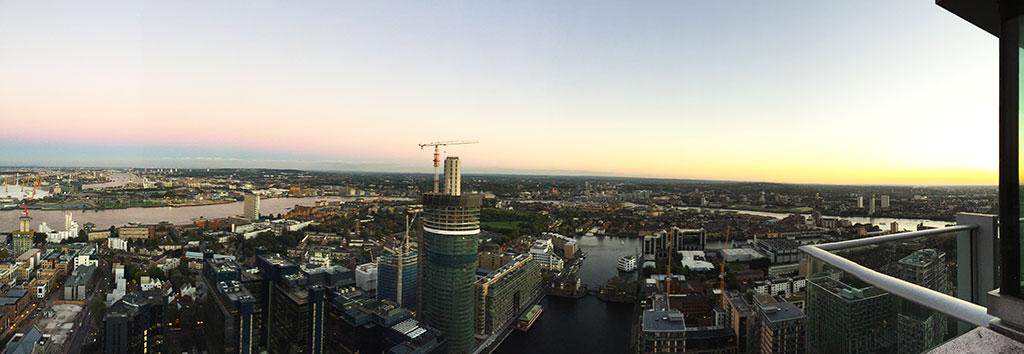
    Panorama

    Where I’m currently working, there are very few occasions where it would become apparent that I’m presently teetotal. However, in the financial services districts of London – The Square Mile and Canary Wharf – a teetotaller is automatically suspected of being a recovering alcoholic, which is not a label which anybody wishes to have attached to them, let alone if it’s untrue.

    One dreadful mistake I made in 2015 was to agree to go to a colleague’s birthday party in a cocktail bar, at the top of a skyscraper, with panoramic views over London. It was pretty obvious that alcohol consumption was very much part and parcel of the social engagement, but I agreed to go anyway. Of course, there was a great deal of arm-twisting and attempts to persuade me that “one drink won’t hurt”, which of course it wouldn’t have done, but I pride myself on taking my commitment to challenges seriously, and not taking any short-cuts or cheating. Of course it’s totally possible to have a period of so-called abstinence, but break the rules whenever you like, but what have you really achieved? You might as well not have bothered. Anyway, I had a cast-iron excuse, so I managed to swerve having to drink just to prove that I’m not a recovering alcoholic.

    The watertight excuse for a period of being teetotal, which I have used before and again now, is to say that I am taking part in the “Go Sober for October” sponsored abstinence from alcohol. Thus, if I face any questions about why I’m not drinking, or pressure to drink, I can easily address that by saying that my sobriety is part of a sponsored charity event.

    You might believe that simply saying “no thanks” or “I’m not drinking at the moment” would suffice, but in fact British culture, and especially London banking culture, tends to lend itself towards peer pressure and/or a grilling on your justification for abstinence. I remember one JPMorgan colleague was known throughout the organisation as “that guy who went to The Priory and is a recovering alcoholic” because he didn’t drink. As I said before, those kinds of labels and reputation are extremely unhelpful, and indeed detrimental to the impression that your colleagues have of you, such that it might present an [unfair and unjustified] impediment to career progression.

    My plan and my strategy is fairly simple: don’t have any alcohol in the house, avoid social occasions where drinking is part and parcel of the event and have a cast-iron excuse for being [temporarily] teetotal.

    What I noticed in 2015 was how determined people are to get you to drink. I had to fend off an AirBnB host’s repeated offers of a drink, despite me making crystal clear that I would not imbibe a single drop of alcohol, because of the aforementioned “Go Sober for October” event. Friends and colleagues went to great lengths to persuade me that I could ‘cheat’ and it wouldn’t matter. I withstood all that arm-twisting, but it wasn’t easy, even with my well-laid plans and excellent preparations.

    I suppose I’m not the best person to write comprehensively on the topic of being teetotal, because my episodes of abstinence are infrequent. Speak to somebody who’s spent any great length of time – years, not days or months – and they will have much better strategies and techniques than I do, for politely declining to drink.

    Anyway, it’s hard, but it’s possible and made easier with some careful preparation.


    Tags:

  • Step Four: Compensate

    This is a story about harm reduction…

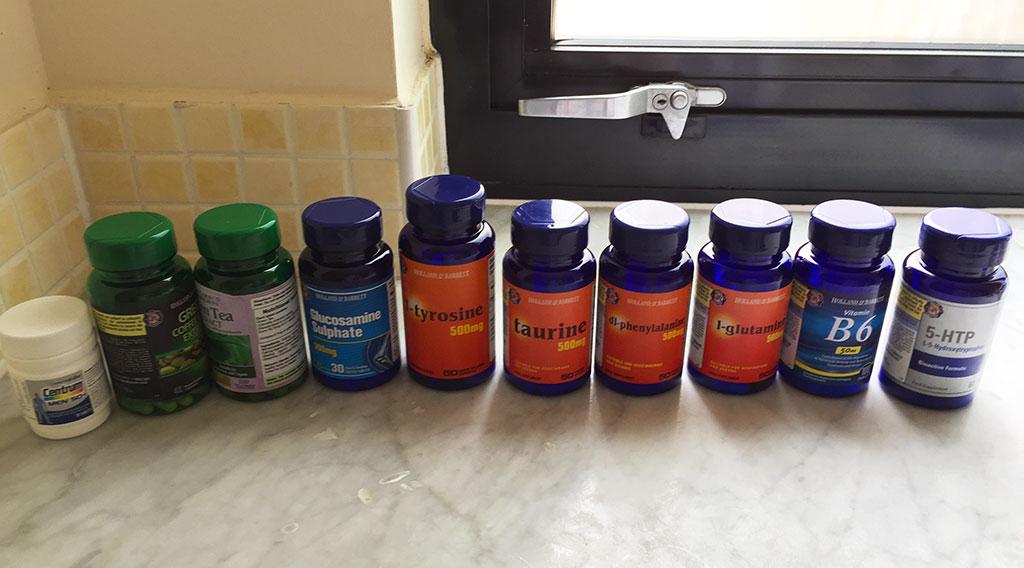
    Supplements

    I’ve been sober for 33 consecutive days now. It’s not a particularly important number that demonstrates anything of much interest, but I thought I should remind readers of how I’m getting along without alcohol. The plan, which I will easily achieve, is to be teetotal until at least the end of October, under the guise of the “Go Sober for October” sponsored charity event, if anybody asks.

    The truth about my sobriety is much more straightforward: alcohol was a source of a great many calories, which were causing me to gain weight, and my liver needed a break from the constant onslaught. My decision to take a break from drinking was motivated by vanity and sensible health considerations, not more interesting and lurid reasons such as a so-called “battle with the demon drink” which I find patently absurd, as a person who’s been lucky enough not to be cursed with the misfortune of not being able to control their drinking.

    We should, of course, spare a moment for all the alcoholics in the world who are somewhat powerless in the face of their addiction to ethanol. We should be sympathetic and understanding towards those who genuinely have very limited control over their so-called ‘free will’ to choose between drinking and not drinking. Alcoholics, by definition, have had their decision-making powers almost 100% impaired by the addictive qualities of alcohol, and as such, they would not be able to choose to take a lengthy break from drinking at will.

    For those wishing to quit or reduce their drinking, I was in the process of writing my own version of the Alcoholics Anonymous (AA) Twelve Steps. I find abstinence-based so-called ‘treatment’ of addiction to be a barbaric ritual with very strong evidence to show that not only is it ineffectual, but it’s actively unhelpful, unkind and needlessly unpleasant. AA is a cult, with its rituals and other cult qualities, such as the vicious ostricisation of any member who strays too far from the pack, or dares to question its efficacy. While I applaud and and am glad for those who credit AA with their sobriety, I would also remind you that many people credit their good fortune to some form of sky monster (i.e. god or whatever) – human beings are superstitious idiots, and I urge everyone to seek evidence-based treatments, not cult mumbo-jumbo.

    So, what is my solution for those who drink too much?

    Simple answer: compensation.

    We wouldn’t say to a person who complains that their diet is too bland, consisting only of gruel and dry bread, that they should instead go without food altogether, would we? The abstinence approach is not only cruel and unkind, it also creates unnecessary and intolerable suffering, which is why so few people are able to use abstinence-based approaches to achieving their goals.

    Whether it’s dieting to lose weight, quitting gambling, quitting drugs, quitting alcohol, or indeed altering any of our behaviours which are causing us problems, the most important thing to consider is how we are going to compensate for the thing we are giving up or reducing. Without compensation, change is impossible; only suffering will ensue.

    When I quit drinking for 121 consecutive days in 2015, I compensated with dietary supplements and other health-conscious changes, which included cutting out gluten and dairy from my diet. In retrospect, that was a really dumb decision. While there was a high placebo value in the changes that I made, there was no other value. I might as well have banged a gong and worshipped a made-up monkey god, asking him to cleanse me of the demon drink – it would have had the same effect. I am neither gluten nor dairy intolerant, so all I did was waste a bunch of money on expensive food products.

    This time, I have compensated by using sleeping pills and tranquillisers which mimic the positive effects of alcohol, without the negative ones. I don’t get hangovers. I don’t have weight gain. I don’t have liver damage. However, my anxiety is reduced, my insomnia is cured and my sleep quality is improved. What’s not to like?

    Of course, I have swapped a nightly glass or two of wine for a tablet or two, which some might see as ‘failure’ but those people are idiots. I’ve lost weight, my kidney has had the opportunity to repair itself, plus I have avoided endless amounts of hangxiety and hangovers. Also, the tablets are a damnsight cheaper than alcohol, costing me no more than a couple of pounds every day, which is a fraction of the cost of the alcohol required to achieve the same reduction in anxiety and ability to fall asleep.

    We shouldn’t underestimate the danger of addictive medications, and I’ve certainly put off today’s problems until tomorrow by using tablets to allow me to achieve a period of sobriety, but I really don’t give a shit – I’ve lost weight and my life has been manageable; my health has improved. I see no downsides. It will be a bit of a bumpy ride when I quit the tablets again, but I have only taken them sporadically during recent weeks, so quitting will be easy enough – I will gently taper the dosage and then I will be free from all mind-altering substances, once again.

    I’m one of the most substance-free people you’re ever likely to meet. I don’t drink (at the moment), don’t smoke and I don’t drink caffeinated beverages. I’m highly unusual in this regard: you and almost everybody you know, indulges in some kind of mind-altering substance use, even if it’s just tea or coffee.

    If my life had permitted it, of course I would have been climbing mountains or surfing, or doing some other wholesome outdoor activity, but I’ve had to work really really hard the past few months, and it’s entirely unrealistic to imagine that I would be out in the wilderness charging around like a healthy happy person, when I’m actually incredibly stressed, depressed and anxious, under enormous pressure to deliver a very large complicated project, for a tight deadline. It’s a fucking miracle that I’m as healthy as I am, given the pressure I’m under, and the demands placed upon me.

    So, shove your yoga, jogging and kale smoothies up your arse. Do whatever it takes to compensate, if you need to stop a particularly unhealthy habit – find something that’s less harmful. Harm reduction is better than trying and failing to achieve the impossible. Abstinence is torture and should never be inflicted upon anybody, ever, under any circumstances whatsoever.

    Steps Five through Twelve might be a bit rushed, given that there are only 9 days between now and October 31, but I will finish this series, because I think it’s important that people who are suffering are given realistic and evidence-based humane alternatives, which will allow them to achieve a better life… not be expected to suffer torture and be doomed to failure, because some twat of a moralising idiot tells them that the only way to get better is through abstinence. Fuck those guys. Do what works.


    Tags:

  • Step Three: Rinse & Repeat

    This is a story about repetition…

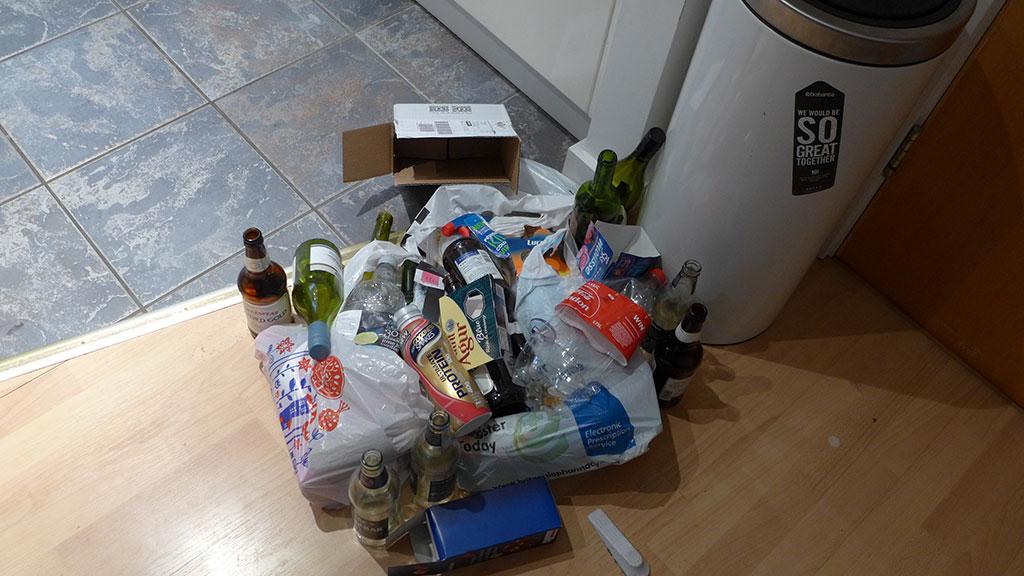
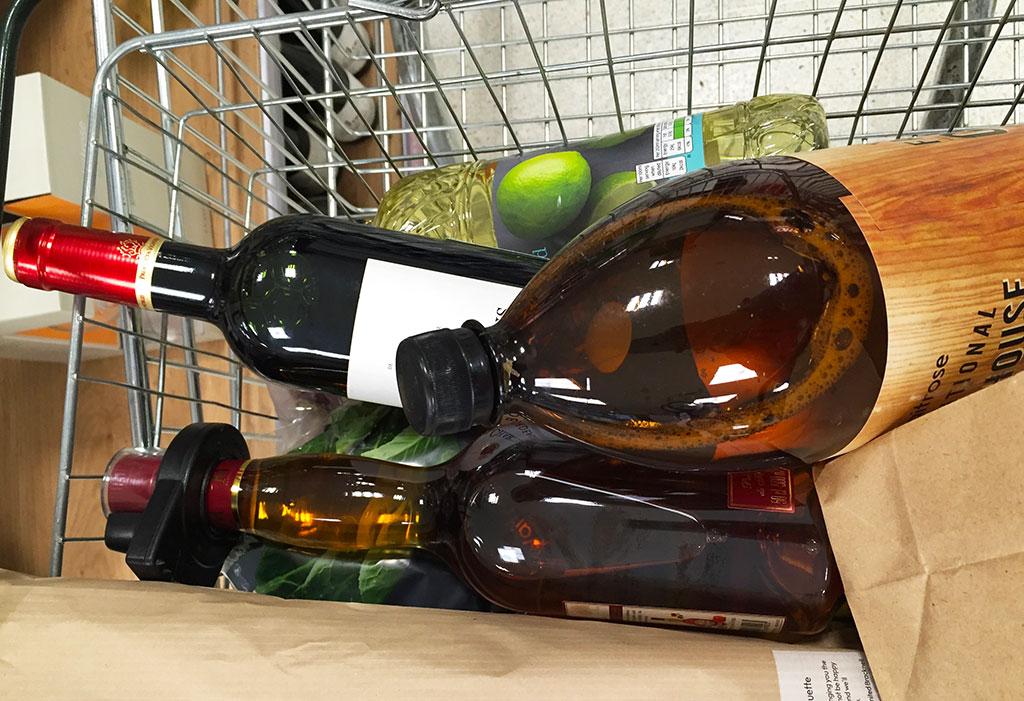
    Bottles

    Drug addicts and alcoholics know a lot about relapses. What dreadful consequences they suffer when they fall off the wagon. Am I immune from such things? Am I the first person in the history of humanity to outsmart addiction? No. Of course not.

    Readers who have followed any of my story might wonder if I’ve started drinking again, or have become addicted to sleeping pills again. No. No I have not.

    I went to the supermarket yesterday – a big fancy supermarket with lots of lovely things to choose from – and it was difficult to stay away from the alcohol aisle, but not impossible. The whole point about being an alcoholic or an addict is that you’re powerless over the substance(s) that you’re abusing. I do not offer my successful self control as evidence of my immunity to addiction and alcoholism, but it does prove that I’m in control, which cannot be said of those unfortunate wretches who are in the grip of active addiction and/or alcoholism.

    Rehabs are full of charlatans who claim that they have a magic cure for addiction and/or alcoholism, but all recovery comes from within – how bad do you want it? I’m not saying that those who are killed by their addiction and/or alcoholism didn’t want to be clean and sober, but they clearly wanted to be drunk and high more than they wanted to avoid their inevitable demise, or else they wouldn’t have died. Unfortunately, the self-reinforcing draw of addictive substances can overpower the best of us, and although I do view addicts and alcoholics as “victims” of a disease, it’s also demonstrably clear that people who have no problems with drink and/or drugs – including those people ‘in recovery’ – were simply lucky enough that the scales were tipped marginally in their favour.

    My life has potential which would be churlish to deny. It’s not fair for me to say “everything is ruined so I give up” when clearly I have high earnings potential, and with money comes opportunities to escape a miserable life and get a better one. Sure, I can get overwhelmed and decide that I don’t have any energy left to keep fighting, and I would quickly be wrecked and ruined by our over-competitive coercive and exploitative society, which would dearly love to trample me underfoot, but I stand a better chance than most people of escaping the rat race.

    Yep, I cheated a couple of times this week. I used a sleeping pill on a couple of nights to help me force my sleep pattern into the one which capitalism demands. I used a sleeping pill to combat the incredibly negative side-effects of social jetlag, caused by the toxic demands of office hours, contrary to human health and welfare.

    Did I relapse? Nope.

    What does relapse even mean for me? I’ve never been an alcoholic.

    What does relapse mean in terms of mental health episodes? My mania-driven achievements are widely celebrated and cheered on by the capitalists who’ve been assisted by my immense productivity, which has been almost superhuman, but has come at great personal cost. My mental illness has been on public display for many years, yet my paymasters don’t care because I’m delivering the goods – so long as I keep up the successful results, my violent mood swings are tolerated, and the results of my manic episodes are highly prized by all involved, especially by those who provoke me into doing high-pressure projects with unrealistic deadlines.

    I hope – eternally – that the repeating patterns are not on a downward trend. I attempt to learn from each mood cycle, and to hold onto the gains and not give up so many losses. I try to limit the downright outrageous negative consequences of unrestrained mania, and I try to fight through the devastating depression that follows, forcing myself to keep inside the artificial constraints of some reasonable tramlines, knowing that it will be ultimately beneficial for me and help me to escape from the boom and bust… most importantly to escape from the bust!

    Self medication with the occasional sleeping pill is infinitely preferable to routine intoxication with copious amounts of alcohol, although it’s easy to convince myself that neither has any long-term ill effects, clearly my health will suffer if I drink heavily on a regular basis, even if my wealth and professional reputation are not impacted.

    It’s all a bit boring really. Uneventful. I’m very good at putting one foot in front of the other, I just don’t like it very much, especially when going on a journey I’ve done a million times before. There’s not much pleasure left in renting a house, moving my stuff, starting a new job, impressing new colleagues or delivering a project which is exactly the same as every other project I’ve ever delivered in my long and illustrious career. I just do it for the money.

    Some might accuse me of being a dry drunk but they are idiots. Every day that I struggle through the rat race puts a significant amount of pounds, shillings and pence into my pocket. Every day that I force myself to do the intolerable shit that I have to put up with, is a large step closer to freedom. I have no need to adopt a significantly different life at the moment, because the life I have is staggeringly lucrative, which unfortunately means that it’s the quickest route to financial independence and housing security, which is the most important thing for my health and wellbeing.

    Sobriety between now and the end of October is something quite welcome – it will help my health immensely. Working between now and the end of my contract, on Halloween, is something that will help my wealth immensely. It’s incredibly dull and boring, but it’s got to be done. It’s easy, but it’s repetitive. When was the last time that you put up with a shit job that you hated? Probably never. When was the last time you spent years doing boring, repetitive, easy stuff? Probably never. You just wouldn’t put up with it.


    Tags:

  • Step One: Don’t Buy Any Alcohol

    This is a story about non-linear progress…

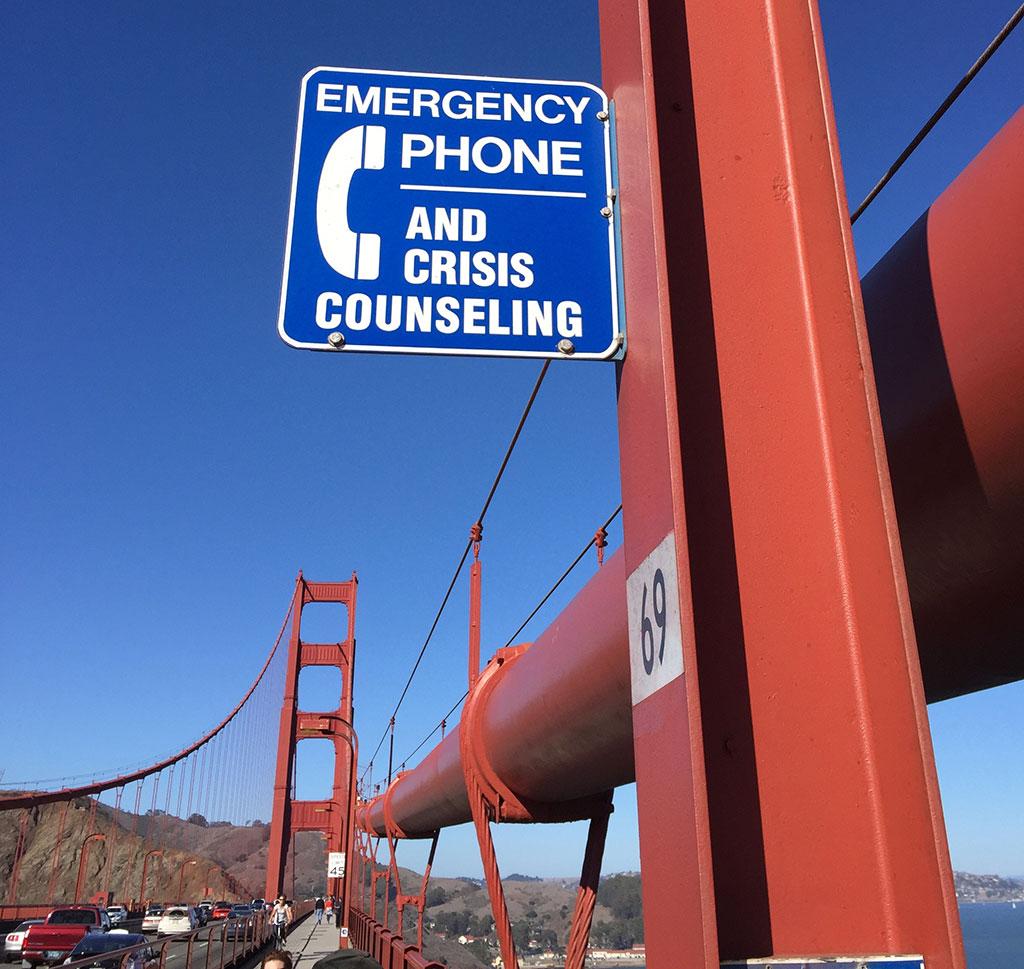
    The Bridge

    Don’t worry. I didn’t buy or drink any alcohol. I just thought that step one should be repeated, because it’s an important one. Why not make it step 3 and have 13 steps? Well, I thought it would be more like reality to have to repeat steps. In real life, we never follow steps one after the other – we have to go back and re-do things. It’s snakes and ladders, although without the comforting knowledge that eventually you’ll reach the finish, providing you keep rolling the dice.

    Today has been surprisingly hard. Today I was supposed to feel the benefit of not drinking, but I didn’t. I have been tormented by poor concentration span and anxiety today, which is an awful combination. I thought I was going to have to skip work because I wasn’t feeling very well. I thought I was going to have to go home early, because I was feeling exhausted. I’m glad the working day is over.

    I started thinking about how long it takes to feel like progress is being made. How long does it really take before a good lifestyle and health decision delivers any noticeable benefit?

    A long time.

    Sometimes I do a good job of setting my expectations, and sometimes I’m over-optimistic. Thinking back to when I was swallowing copious amounts of sleeping pills and tranquillisers, and I had a foreign holiday impending, it seemed impossible that I’d be able to quit all those addictive medications in order to be able to travel abroad. I must have suffered a great deal, but also I know that I dealt with that problem very quickly and I managed to get free from those addictive pills, and to enjoy my holiday free from medication. As well as quitting those medications I also quit alcohol, went on a diet and lost some weight.

    How on earth did I achieve all that?

    At the moment, I’m managing to stay off alcohol, but I’m not managing much else. Sure, I’m still medication-free, but I’m comfort eating like crazy, by way of compensation. I know that I’m only a few days into my current mission to improve my health and appearance, but I feel like somehow I should be feeling a lot better.

    I suppose for every 10 days of bad choices, it’s gonna take 5 days of living a healthy life to pay back that debt. I had gotten into some super bad habits in the last month, so it’s bound to take at least a fortnight before I feel any benefit, I imagine.

    My perceptions are all messed up. I’m tormented by thoughts of doom and disaster, particularly around my reputation at work – having screwed up and said something dumb and unprofessional – and my prospect of getting a contract extension or another local gig. I’ve started to feel overwhelmed: that the stress of it is too much to bear, and that I won’t be lucky… my hard-won gains will all be eaten up but the relentless demands of rent, bills and other expenses, until I’m plunged back into homelessness and financial ruin.

    I am aware that I’ve swung from feeling like I’ve been making a valuable contribution, that I’m good at my job, and feeling OK about things (have I ever really felt that though?) to now feeling that I’ve undone all my hard work, and that everything’s doomed to fail after the end of October, when my current contract ends. I had been thinking that I would be able to persuade the organisation I’m currently working for to take me on directly, and I would buy my way out of a contract clause which prohibits me from working for the organisation. I had been thinking that I had a sensible and straightforward way ahead, but now I’m thinking that everything is ruined: the organisation doesn’t want me anymore, my reputation is ruined, nobody will want me, and I’ll soon run out of money and end up homeless and penniless again.

    To have such an extreme swing of mood and perception must be due to a combination of alcohol and bipolar disorder.

    I’m aware of this, but I still feel these feelings so strongly, that it’s hard to be rational.

    Anyway, I’m going to carry on with sobriety, because I know it’s good for my health and my waistline.


    Tags:

  • Sober October

    This is a story about being trapped…

    Psych ward

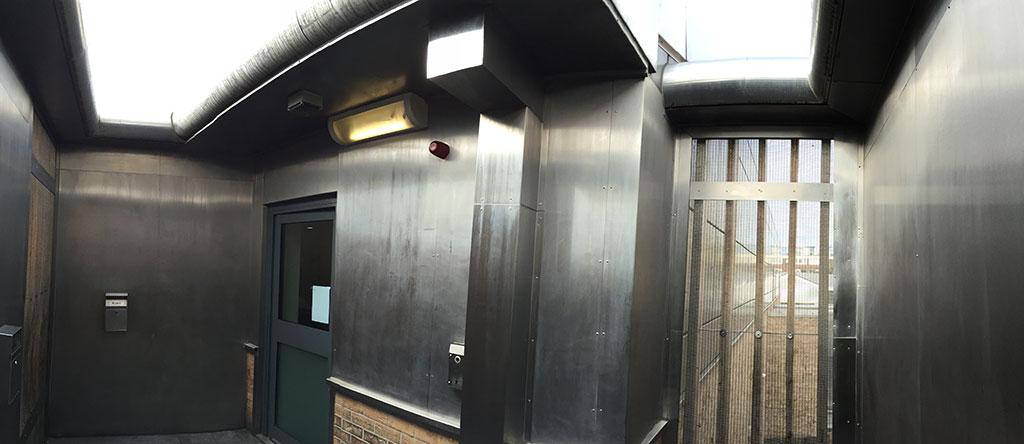
    Believe it or not, I took this photo inside a locked psych ward. Looks like an inviting place, right? Looks like a calm therapeutic setting for sick people, right? This isn’t Broadmoor Hospital for the criminally insane – this is a regular psych ward for sick people.

    I keep wondering about what went wrong in 2015 that meant I ended up in that psych ward.

    I keep seeing worrying similarities with then and now.

    I was working on the number one project for a big organisation – same then and now.

    I was playing a pivotal role in an important part of the project – same then and now.

    I was getting stuff done and playing by my rules, and nobody was stopping me. Indeed I was being encouraged and applauded – same then and now.

    I was irritable, impatient and intolerant of fuckwits – same then and now.

    I was incredibly annoyed by anybody who got in my way or slowed me down. I had no time for distractions or anything which wasn’t going to contribute to the success of the project – same then and now.

    To all intents and purposes, it looks frighteningly similar.

    But.

    I think the straw that broke the camel’s back was that I had to move house. I had to lay out about £6,000 in rent, deposit and other fees, and I then had the pressure of earning £500 per week, just to pay my rent. It was stressful – as moving always is – and it was also an incredible amount of pressure to make that kind of money, just to keep a roof over my head.

    I’d been living in a hostel and then a hotel – I had been homeless. OK I hadn’t been sleeping rough since earlier in the year, but homeless is homeless. I’d had a very rough year. I’d been homeless for 8+ months, before I finally managed to get a place to live that wasn’t a sleeping bag in a park, hostel bed in a dorm, or a hotel room. It’s rough, being homeless.

    I didn’t have any financial cushion back then. I don’t really have a financial cushion now, but my credit cards aren’t maxed out and I don’t have tax bills to pay until the end of the year, so I’m in slightly better shape than I was in 2015.

    My brain chemistry had been very badly messed up back then. I hadn’t had any stability. My life had been chaotic. My mental health had been atrocious. At least this time round I have been working nonstop for the best part of two straight years. The problems I’ve had recently have been short-lived and not caused any major problems. I can’t remember the last time I was too sick to work. My mood is pretty damn unstable, but probably not as extreme as it was back then.

    What’s going to make me wake up one day and decide that I need to be sectioned and re-admitted to a psych ward? What’s going to break me and render me unable to carry on going? What’s going to be the straw that broke the camel’s back?

    Interestingly, I quit drinking back then, like I’ve quit drinking now. I think being sober was part of the reason why I became unwell – I had nothing to help me self-medicate.

    Maybe I’ve stopped drinking and stabilised soon enough to allow me to be alright this year, but I already see warning signs: I did something really dumb in the office, which has damaged my reputation and made colleagues unwilling to help me out; to support me and to want me to stick around. I’m making a mess of things, now just as much as I did back then.

    Does being aware of this repeating pattern of behaviour make me any more able to avoid it? Not really. Things are so hectic and intense, and I’m so tired and stressed and anxious, that I’m surviving using instinct. The stuff that comes out of my mouth, which is the reason why I’m doing so well, because it’s useful stuff that’s getting a project delivered, has turned into dumb stuff which makes people not like me very much. My engineering expertise is now being peppered with dumb stuff; regrettable and unprofessional. After an enormous amount of effort to get a very difficult project over the line, I’m exhausted and my mask is slipping; I’m making mistakes. I can’t help it – my instincts are all I’ve got left, because I’m spent.

    I’m definitely going to keep pushing ahead with this sobriety thing, because my alcohol consumption had gotten out of control really quickly. However, I don’t want a re-run of exactly what happened in 2015, because it undid all my hard work; all my valuable contribution was wasted – all anybody could remember was that I got sick. All the hard work that got the project delivered didn’t matter in the end. All that mattered was how things finished up. I might as well be yet another plodding idiot, doing a fucking mediocre shit job, and concentrating my effort on not saying anything objectionable, rather than busting my balls to get shit done and deliver something really hard for an impossible deadline. Why did I even bother?

    I’m not quite sure how to navigate the tricky waters of the next couple of months. I have enormous challenges, in trying to rescue my reputation and help my colleagues to remember that I made a massive contribution, and not just see the recent screw-up I made when I was exhausted and strung-out. I have an insane amount of pressure to get another contract sorted and keep the money rolling in. I have a huge risk that I’m going to collapse, have a breakdown and be unable to work, which will ruin everything. It’s almost intolerable.

    The next 5 or 6 weeks are going to make me or break me.


    Tags:

  • Step Two: Nightmares

    This is a story about the beer fear…

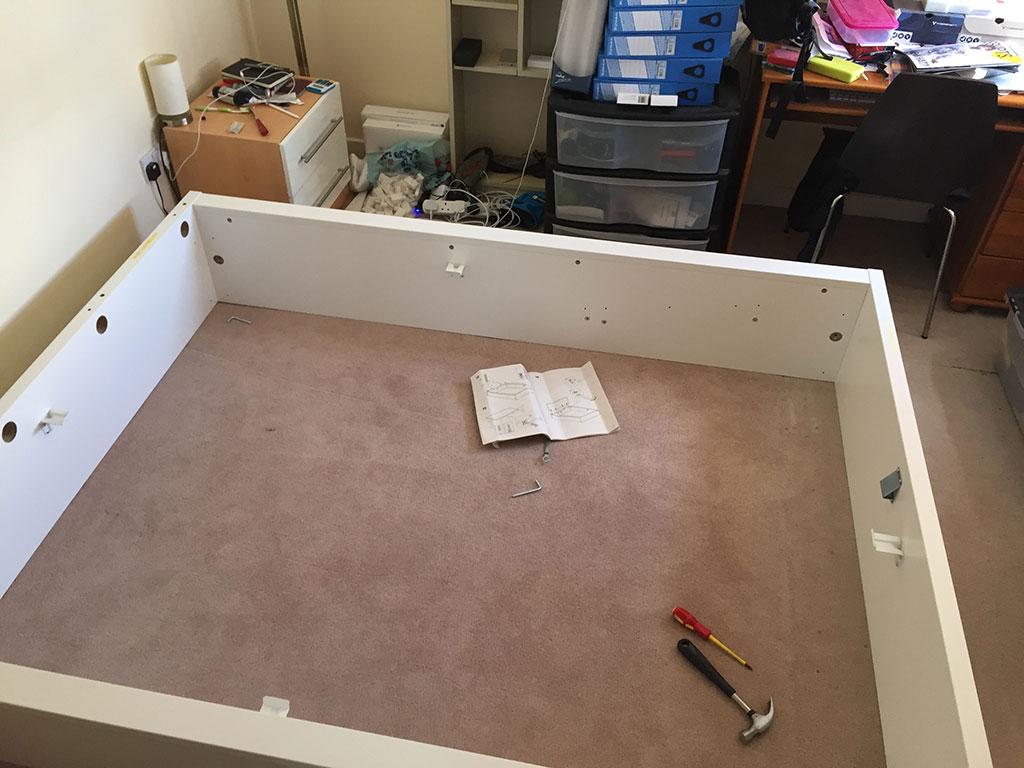
    Bed construction

    I’ve written about the beer fear before. The beer fear is the spike in anxiety associated with quitting drinking, which peaks after a 2 or 3 days. The beer fear is one of the hard parts, because alcohol is perfect to take the edge off the nerves and restore a sense of wellbeing, when the anxiety is kinda unbearable. The beer fear is a known difficult period which always occurs after quitting heavy drinking.

    The anxiety is strange at the moment. It’s enough to make me distracted and feel like I’m doing a bad job at work, that I’m screwing up, despite a mountain of evidence that I’m working hard and doing valuable stuff. The anxiety is enough to penetrate my dreams: the past two nights I’ve had terrible nightmares.

    I’m particularly tormented – still – by the screwup I made on Thursday, putting a message in the wrong chat, which was super unprofessional.

    As I predicted, I’m feeling a lot worse before I feel better. I got through Friday night, which was difficult as I wanted to reward myself for getting through the working week. I’m quite programmed to “get that Friday feeling” so I had to fight the urge to drink. See step one: I didn’t have any alcohol in the house, which made it easier.

    As also predicted, I’m hungry all the time. I’m probably comfort eating because I’m tired and anxious, and overcompensating for the sudden lack of alcohol. I’m allowing myself to eat pretty much whatever I want, because I can’t do everything all at once, but my diet has vastly improved versus when I was drinking heavily. I won’t be losing any weight, yet, because I’m focussed on getting through this difficult period where I feel terrible before I start feeling better. Then, I can think about improving my diet as well as not drinking.

    I’m hoping that by Monday, I’ll be feeling the benefits of being alcohol-free, a little bit.


    Tags:

  • Step One: Don’t Buy Any Alcohol

    This is a story about losing weight…

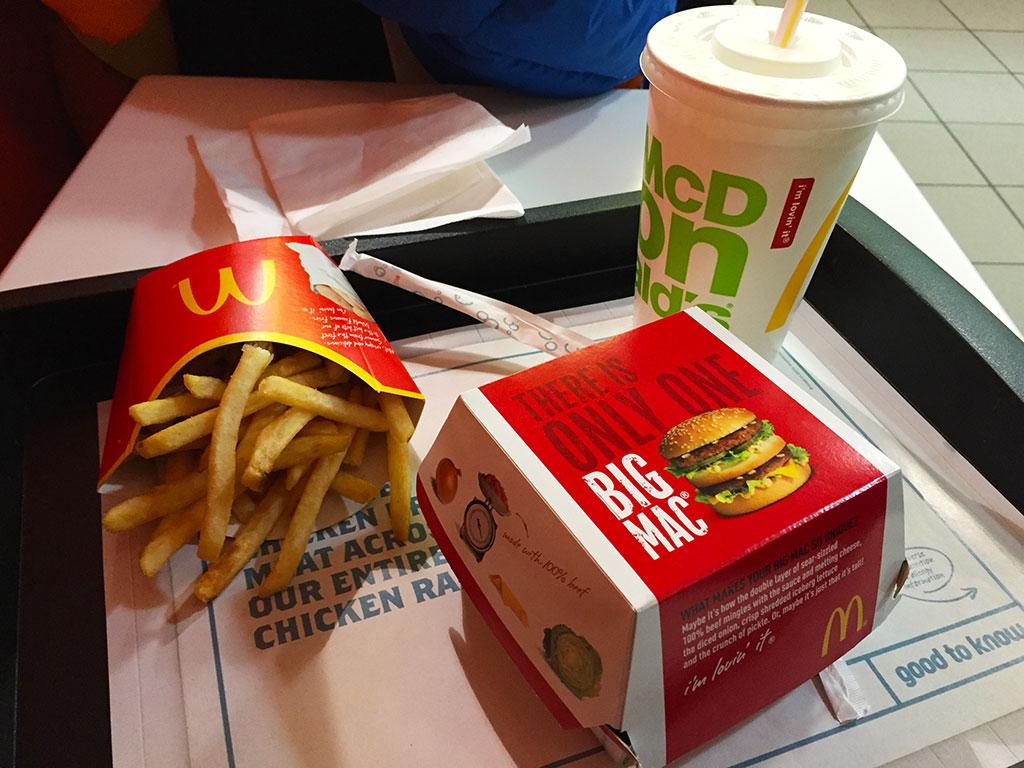
    Big Mac

    The problem with saying to yourself “I’m stressed, depressed, anxious and miserable, so I am going to eat and drink whatever I want” is that you quickly put on weight. The weight I lost in July, in preparation for my birthday holiday, has quickly returned. I am unhappy about my weight again. I knew that bad diet and drinking too much alcohol would lead here, but I didn’t care at the time, because the weight gain was relatively slow – it crept up on me.

    I’m not overweight by any stretch of the imagination, but I’m not happy with the extra pounds I’m carrying. I’m used to my weight being under control. I’m used to being a heathy normal weight. I don’t want a minor problem to become a major one.

    Alcohol is the obvious source of weight gain.

    I get drunk, then I get more drunk than I had originally planned, and I eat too much.

    If I drink, I lose all self-control over my calorie consumption, and sensible alcohol limits.

    If I drink one bottle of wine and I have another one in the house, I will invariably drink that one too. At weekends, if I drink one bottle of wine and I don’t have another one, I will get a Deliveroo rider to bring me another one.

    When really drunk, I always get very hungry. I always eat too much, on top of drinking too much. It’s a double-whammy.

    So.

    No more drinking.

    There’s no alcohol in the house and I’m not going to buy any more.

    I feel fine about that.

    Earlier, in the supermarket, there was a fairly major impuse to buy a bottle of something alcoholic, but I resisted. I know that unless I start right now, I will keep putting it off and I will keep drinking more than I planned, which invariably means I end up eating more than I planned too. The pattern of behaviour is the same: I always end up abandoning my plans to drink less and eat less, when I’m drunk, and I always regret it more and more, when I look at myself in the mirror in the morning. I know that all those alcoholic drinks and drunken snacks add up to a massive amount of calories.

    The stress of work, the stress of money and the stress of relationship problems, gives me all the excuses I need to drink. I’ve defended eating junk and getting drunk, saying that it’s just for a little while: during this very difficult period of my life. But, it’s going to be a heck of a long time that I’m suffering unpleasantness, and I don’t want to be a big fat alcoholic when I finally pull through – that would give me a whole load of new problems to solve, which wouldn’t be quick or easy.

    So, the time to act is now.

    Need to quit drinking.

    Done.

    Of course, the hard part is getting through the next few days without alcohol. The hard part is resisting alcohol on a Friday and a Saturday. The hard part is resisting alcohol, when I crave it. In a few days, I will feel substantial benefits from being teetotal. In a few weeks, I will have lost a little weight and will start to be feeling a bit better about my appearance. The hard part is sticking to the plan consistently and reliably; maintaining my determination; being consistent.

    Things seem to be going quite well at work and some other things which were stressing me out don’t seem to be making me quite as anxious as they were, but I imagine that my perception of things will change as I sober up – I’ve drunk a crazy amount in the last week, which surely must have meant that I’ve been pretty anaesthetised against the dreadful crap going on in my life. Having nothing to take the edge off is going to be awful, but if I don’t act now I’m going to get really depressed, anxious and stressed about my appearance, which will damage my self-esteem and make me very unhappy.

    So, expect further boring updates about me not drinking, and maybe even dieting a little. Can’t do everything all at once, but it’s time to take a decent break from alcohol, as a first step in the right direction.


    Tags: