alcohol – Page 8 – Nick Grant

Tag: alcohol

  • Do you ever learn?

    This is a story about repeatedly making the same mistakes…

    Do you remember all those times that you were made to say sorry when you were a kid? Maybe you were a bit of a bully and you kicked sand in somebody’s face or pushed someone into the swimming pool. Maybe you were a bit of a thief and you tried to steal other children’s toys. Maybe you were a bit violent, and got into an argument with somebody at school or playgroup, and you hit or kicked them.

    You can’t make somebody sorry. You can force them to say words which the dictionary defines as apologetic, but that’s got nothing to do with them actually feeling sorry. In my experience, forcing a child to apologise to another child, could often result in later reprisals that far exceed the original offence. Plus, receiving an insincere apology – under duress – only serves to further demonstrate a lack of remorse.

    Also, children may not yet have learned about taboo subjects, political correctness, proper comportment, social faux-pas, tact and a whole load of other subtle nuances in adult behaviour. Some adults may only ever reach a behavioural level that marginally exceeds that of a child. Some adults may believe that their behaviour epitomises the gold standard that we should all aspire to attain.

    I spent some of my childhood in Oxford. The area we lived in was being gentrified. Among our neighbours were an MP, a City trader, a consultant heart surgeon and other high achievers. Also living in the neighbourhood, were poor people, who weren’t there because it was an affordable up-and-coming trendy part of central Oxford, but because they lived in council houses… sorry, I mean social housing.

    The nearest child of a similar age, lived at number 4, and we lived at number 10. There was also a boy who lived at number 1, on the opposite side of the street, but not much further up the road than number 4. The boy at number 1 was from a poor family who lived in social housing. The boy at number 4 was from a family that believed they had attained the aforementioned ‘gold standard’ behavioural attributes.

    At number 4, there were two girls and a boy. The eldest girl was a little older than me and the boy was a little younger. We spent a lot of time playing together on the street outside their house, where their parents could keep an eye on us. Not that the ‘gold standard’ was shining brightly on the day their eldest ran across the road and got hit by a car, or when their youngest drank bleach from the cupboard under the sink. 

    The development of a child’s sense of morality and good behaviour might evolve thusly: I want that cake; I want that cake but I know I will get in trouble if I take it; I want that cake and I don’t understand why I have to wait and I only get a portion of the cake; I want that cake, and I want all the portions of the whole cake; I want that cake, I want as many portions as I’m allowed, and I resent anybody else who has a portion; I want that cake, and I understand that too much makes me sick; I want that cake, and it seems to be social convention that cake is shared.

    Therefore, we can see that the behaviour of a child who has eaten their own portion of cake and has now stolen another child’s, might not follow adult morality and logic. Imagine if the cake is a birthday cake, and it’s the birthday of the cake ‘thief’ child. Adult logic says the cake is for everyone to share, we should eat in moderation, and taking from somebody else is stealing. Child logic – the birthday child – says that the cake is theirs, because it’s their birthday, but they consent to cake being shared out because that’s established social convention, but taking any unattended cake is fair game, because it’s all the birthday child’s cake.

    Some ‘bad’ behaviour is actually natural and normal for a child, who is not equipped with all the knowledge and experience that an adult has, of tact, political correctness, taboos and subjects that require a lot of historical context, before they start to make sense. Here’s a test for you: are children racist?

    If you put 29 little kids in a room with an obviously handicapped child, what are the kids going to remember, if you ask them individually at a later time? More importantly, what are they going to say? If the kids laugh at the handicapped kid, does that mean they’ll laugh and point at people in wheelchairs when they’re adults? If the kids imitate the handicapped kid, are they mocking people with disabilities?

    If you put 29 white privileged little kids with a little black kid, what are the kids going to notice and remember? If they all single out the black kid, does that mean they’re all racist, or does it mean they’ve got eyes? Children haven’t learned the ‘colourblind’ behaviour that adults are supposed to have.

    By the time you reach adulthood, you’ve learned to pretend not to notice that brain damaged person, strapped into a chair, making weird noises. You’ve learned to pretend not to notice if the skin all over somebody’s entire body, is a substantially different colour from yours. You’ve learned not to stare, not to point, not to vocalise your observations, except with extreme care and subtlety.

    Older children will develop empathy; a sense of care for those around them. Older children will find it rewarding to please their peers and adults, by sharing. Older children learn that other people can own things too, and that it’s wrong to take somebody else’s things. Older children become better at communicating, negotiating and controlling their emotions; physical violence and arguments become rare, replaced by reasoned debate.

    Remember all those insincere apologies you had to give? Remember all those times when an adult made you share your sweets, but they were yours and you wanted them all yourself? 

    “I’m sorry, it won’t happen again” 

    I hear adults say this all the time.

    Firstly, they’re not sorry. A genuine apology starts with empathy for the victim, leading to remorse, guilt and then some words to express regret, encompassing the remorse and the guilt. An apology starts with a painful conversation, where you have to face your victim and not only understand any physical consequences, but also understand the emotional impact – including the severity – for the victim.

    Secondly, they’re not going to change. We make promises all the time to change, improve, stop doing something, start doing something… whatever. By the time we reach adulthood, we’re really well practiced at saying what we think the other person wants to hear, so they’re placated and they’ll leave us alone.

    Change is hard.

    You can’t change to please somebody, or comply with an order to change. If you’re already fat, you need to stop getting fatter and you need to lose weight – two difficult changes – and your aim is to avoid potential health complications, as advised by your doctor. If you smoke, you know the health risks, but you’ve smoked a lot of cigarettes and never got lung cancer, so your first-hand experience has more bearing than any statistics about future risks. What motivation is there in mitigating future risk, when there is nice food and cigarettes right now?

    You can’t change because of a threat, or otherwise under duress. Change is hard, as we discussed, and it’s made so much harder when every slip-up is magnified by the thought that failure to change would result in terrible consequences. If you can try and fail, and have another go, you might eventually succeed. Changing to avoid a terrible punishment, creates unbearable pressure, makes a catastrophe out of every minor setback, discouraging any attempts to keep trying.

    You can’t change because you want to. Change for change’s sake? That makes no sense. You change because you have to, such as a serious medical problem that mandates an immediate lifestyle change, or else you’ll die.

    You’ll change when you’re not even noticing. You’ll change when what you care about in life, your passions and your priorities change. You’ll change when you’re having fun, doing things you enjoy, doing things you’re motivated by.

    Who do you want to change? Is it your wayward brother, your drunkard father, your lazy friend, your unreliable co-worker, your drug addict boyfriend?

    Stop assuming that they should think and act like a model adult – or indeed pressuring them to be and reprimanding them when they’re not – and presume instead that they are more like a child. You might not like it, but joining the long queue of people hectoring a person to act more adult, causes them to act more childish. When everybody disrespects you, patronises you and tells you what to think and how to act, then less responsible and more selfish behaviour is inevitable, as well as disengaging your brain and letting others do all the thinking for you.

    Stop seeing the same mistakes happening again and again. They’re not mistakes. Another person’s perspective is completely different from yours. Yeah, he’s drinking himself to death. Yeah, his wife’s going to leave him and take the kids if he doesn’t stop drinking. Yeah, he’s wasting loads of money and he can’t get a job when he stinks of booze. Yeah, countless doctors have told him the damage he’s doing to his body. Yeah, he crashed his car, lost his license. So what? Of course those things matter, but in his mind, that stuff’s already happened; he’s resigned himself to his fate; you can’t threaten him with anything worse than he’s already prepared for.

    We spend so much time and energy trying to turn our children into adults. Learning to be an adult is the fine art of knowing when to lie (often), be honest (rarely) and keep your mouth shut and your thoughts to yourself (most of the time). The right clothes and good manners do most of the hard work. Then, you just need to be serious, dour, solemn and boring. “Grow up!” and “stop being so childish” are phrases that epitomise a parenting style that thrashes any semblance of natural immaturity into an appearance of premature adulthood. Constant rebuke for failure to demonstrate adult qualities, eventually creates a deceptive character: polite, courteous, formal, apparently mature and responsible, certainly confident and capable. But, how quickly it all unravels when a thread is pulled.

    Why the strange behaviour? Why do drugs & alcohol feature so often? Where is the social life? Where are the fond recollections of the halcyon days of school? So many avoidable conflicts leading to unnecessary losses of highly paid jobs. Suddenly so irresponsible, unreliable. Tired and preoccupied by thoughts of death, followed by peals of laughter at puerile humour aimed at children. Everything always on the verge of total disaster.

    If you harass and harangue – a pair of old bullies outnumbering the victim, two against one – until you seemingly get what you always wanted: your child has turned out successful enough to give you bragging rights with your friends. Climbing the career ladder at high speed, switching companies all the time. Girlfriends, social groups, best friends, former work colleagues – nothing seems to last, and it all seems to be moving too fast to keep up.

    Does it not seem obvious that drugs have become my loyal friend, who’ll never leave me and never let me down? Does it not seem obvious that I’ve had it hammered into my skull, for far too many years, that life is miserable, full of endless boring responsibilities, and then you die?

    Will I ever learn from my mistakes? You’re asking the wrong question. I don’t see any mistakes, but I see a lot of learning. Will I ever see the error of my ways and change my behaviour? It’s you who has failed to see the changes in my behaviour. The only error I made was trying to be a sensible, serious, responsible adult.

    I’ve got so much to lose at the moment, but I already lost so much and learnt how to get it back. I’ve come back from the brink so many times now. I don’t want to keep starting over. I’m not scared of things like kidney failure. I’m scared of things like being bored out of my brain doing things I’ve done a million times before, to the point where I fuck up a perfectly good job and end up going round the cycle again.

    My idea of change right now is to start drinking wine again.


    Tags:

  • Rehab: The Inside Story

    This is a story about treatment for drug addiction…

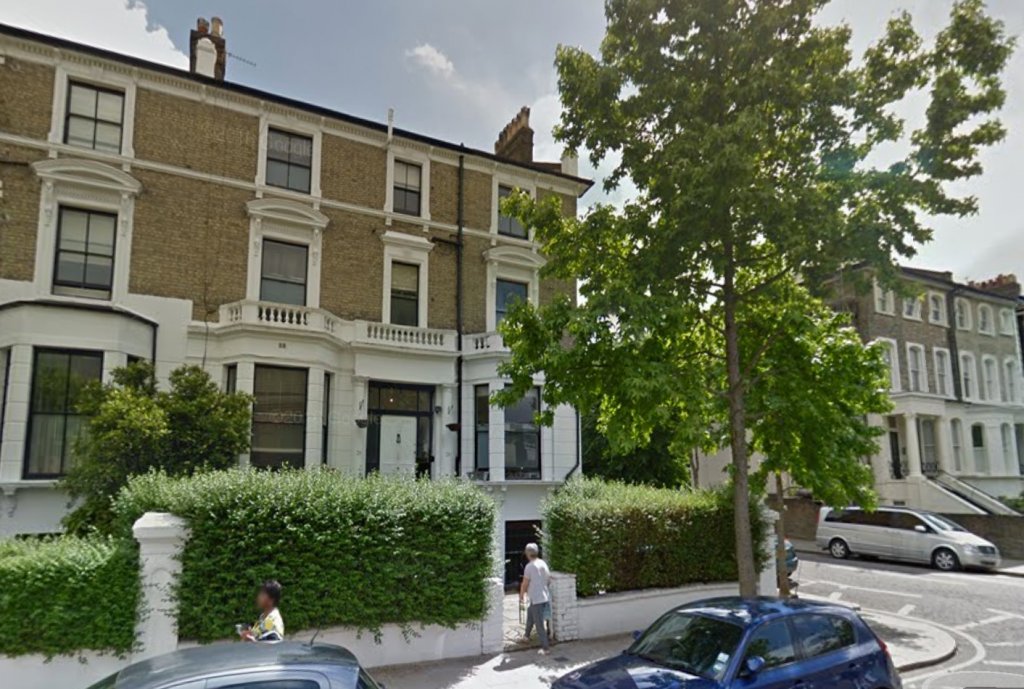
    Lexham house

    Having been to four different rehabs, I feel fairly qualified to give a few insights into what happens behind closed doors. Residential rehabs often hide away in leafy suburbs, where there are large houses that can accommodate human trash: dirty junkies and nasty alcoholics.

    “Death’s too good for ’em! String ’em up!” I hear you say.

    Yes, yes, don’t worry. We’ll get to the idea that an addict will always be an addict, and that we should just write them off as a lost cause.

    Boscombe in Dorset – an area of Bournemouth – is where many councils choose to send their difficult members of society, from all over the country. Supposedly, being by the seaside will be good for recovering alcoholics and former drug addicts. There are certainly plenty of rehabs in the area. Even Paul Gascoigne has found himself shuffling around Boscombe’s streets, buying bottles of gin from the local off-license.

    Ironically, many years after moving to Bournemouth, I became addicted to drugs and found myself in the perfect place to get treatment for my addiction.

    Let’s talk a little bit about drug addiction.

    Having a ‘drug habit’ is not the same as drug addiction. ‘Experimentation’ is not the same as addiction. Partying is not the same as addiction. Addiction will rapidly destroy your health, wealth and prospects. Hospitals, police cells and prisons are the institutional stomping grounds of the addict, on their rapid descent into the fires of Hell. If you’re successfully hiding your habit from your friends, partner and boss, then addiction hasn’t fully taken hold. Addiction is destructive.

    What about detox?

    You can’t really rehabilitate while the drugs and alcohol have got their hooks in you. If you abruptly stop drinking, you might get the shakes, become delirious, have a fit and maybe even die. If you stop taking heroin, you’re going to feel sick and in pain. If you stop taking cocaine or amphetamines, you’re going to be unbelievably exhausted and depressed, to the point where you’re in real danger of killing yourself.

    “You should kill yourself if you’re a junkie” I hear you say.

    What you haven’t understood is that drug addiction is slow suicide. Do you think the addict or the alcoholic isn’t aware that their body is getting utterly fucked up, and they’re going to go to an early grave?

    Detox is about breaking the physical addiction that the body has to drugs and/or alcohol. Detox is about suffering the worst of withdrawal, in an environment where substitute drugs can be administered to make the process safe, humane and tolerable. An alcoholic literally risks death if they stopping drinking without Librium. Is it ethical to ask people to die just because you’re hung up on ideas like “willpower”?

    There’s the term “psychological addiction” that needs to stop being used. It’s better to think about addiction like this: why did somebody get addicted in the first place?

    “Because drugs are fun” I hear you say.

    There are shitloads of people who take drugs all the time but they aren’t addicts. Every weekend, raves and nightclubs are packed full of people taking Ecstasy (MDMA). Vast quantities of cocaine gets hoovered up by the eager nostrils of young professionals in cities around the world. Every day, a huge proportion of humanity smokes cannabis or drinks alcohol. Why aren’t all these people raging addicts and alcoholics?

    If you ever feel like quitting, remember why you started.

    Most addicts’ lives were truly appalling before their addiction took hold. For sure, addiction doesn’t improve anybody’s life, but it’s not like there’s any hope of a better life just because an addict quits drugs. The cycle of petty crime, scoring drugs, getting sick, being hospitalised and being locked up… it doesn’t look great, does it? But what’s the alternative? Flipping burgers and still not having enough money to make ends meet?

    So, it’s obvious that the rehabilitation process will only be successful if it can return a person to a better life than the one they were trying to escape from with drugs and drink.

    The first rehab I attended was in Bournemouth, situated in a grand house at the end of a sweeping driveway, surrounded by mature pine trees, on a road of millionaires’ mansions. The place was full of people from Greater London and the surrounding counties, ejected by their councils to make room for more rich middle-class people.

    The biggest issue amongst my fellow rehab residents was housing. Boscombe has vast numbers of crappy bedsits that can just about be afforded with housing benefits. London and the South-East has no cheap housing for undesirable members of society. My fellow rehabbers were gleefully pushed away from where they were born and bred – and their families – because they were written off.

    A typical day at the Bournemouth rehab would consist of a breakfast of baked beans, white toast and cheap sausages, followed by many rounds of tea, coffee and biscuits, until the ‘therapeutic’ day began. There were two or three sessions a day, where everybody sat in a big room, slouching on comfy sofas, vaping on e-cigarettes and slurping drinks. It was supposed to be group therapy, but it was basically just listening to heartbreaking tales of people’s children being taken into foster care.

    Most of the day in Bournemouth rehab was given over to matters of court appearances, housing office appointments, social worker visits and attempts to obtain various forms of welfare benefits. Almost everybody in rehab was in poor physical health, due to a life of drug abuse. Almost everybody in rehab had some underlying mental health disorder.

    Those were the dregs of society, but they were warm and welcoming and they accepted me as one of their own. I was warned by staff to leave my iPhone at home and watch my wallet, but I never felt for a single moment as if my peers were going to rob or take advantage of me. I was somewhat appalled by the staff members’ low opinion of their service users, but I suppose there’s an element of the gamekeepers and the poachers: anybody who’s keeping you under lock and key is kind of fair game, because resentment is going to build about the power that staff exercise over people in treatment.

    Over the course of the 28-day program, my fellow rehabbers and I would build up special privileges for good behaviour, such as being allowed to go to Alcoholics Anonymous, Narcotics Anonymous or Cocaine Anonymous meetings. Being allowed to go into town, accompanied by a staff member, was the next privilege that accrued. Then, trips to town were permitted when accompanied by a peer who had attained 3 weeks of good behaviour. Finally, you might prove yourself to be trustworthy enough to go into town alone or as a chaperone.

    Transgressions could include: not getting up in the morning, not doing your assigned chores, not attending group therapy, being caught with contraband, failing a drugs test and – most serious of all – going somewhere without permission.

    Being expelled from rehab for going into town on your own might not sound like a terrible consequence, but almost everybody was there because treatment was mandated by the courts, as part of parole or an attempt to retain contact with children. Being chucked out of rehab could result in going back to prison, or never seeing your children again. The line between treatment and punishment was rather blurry.

    My next rehab was 5-star luxury by comparison. You might have heard of it. It was The Priory.

    If you’re paying £12,000 for a 28 day stay in the countryside, you’d expect it to be pretty nice, wouldn’t you? The Priory certainly delivered on making me feel special and cared after… for a high price. Therapists outnumbered patients, the bedrooms were very well appointed and comfortable, the food wasn’t bad and there were luxuries like a gym and grounds to take a stroll around. Nobody was made to feel like a prisoner under house arrest.

    Unsurprisingly, my fellow Priory rehabbers were rich compared to the Bournemouth lot. There were six-figure salary earning executives and heirs to multimillion-pound fortunes. Alcohol was also the predominant poison, as opposed to heroin.

    One girl was so desperate for a drink, that she filled a mug with hand sanitising gel – which contained alcohol – and sweetened it with orange squash.

    Therapeutic days were packed full of yoga, mindfulness, art therapy, educational videos, as well as group therapy. Supposedly following the 12-step program we only had enough time to complete the first two steps. AA and ‘aftercare’ meetings were held in the evenings at The Priory, which we were encouraged to attend, but most of us just watched DVDs in our bedrooms.

    In my final week at The Priory, I asked “what next?”

    Turns out that 28 days just isn’t long enough to turn your life around. 28 days is just about long enough to get over the worst of the drug withdrawal and start thinking about how awesome the drugs are going to feel after a little break and three square meals a day. Aftercare programs are almost as expensive as rehab and last 3+ months: who’s got that kind of money and can afford to take that long off work?

    Having been through an acrimonious divorce, sold my house, rescued a tiny fraction of my most treasured possessions, boxed my life up, put everything into storage and suffered a horrible family Christmas, I was pretty fucked up by the whole ordeal. I needed to get cleaned up and straightened out again.

    The next rehab I booked, I asked for a detox. I didn’t want to have to get up in the morning and go to stupid group therapy. I hadn’t slept or eaten properly for weeks. I’d been taking benzodiazepines for months and it was possible that I’d developed a physical dependency that could be life-threatening. I needed professional medical care.

    The rehab I ended up in was like an alternative therapy spa break. There was a hot tub – called the sex pond – and a vibrating massage table, with whale music playing in the pitch black room. The main thing I was there for was sleep, food and a doctor on hand in case I had a seizure. Reluctantly, I consented to have acupuncture and to do some mindfulness: both of which I fell asleep during.

    Most of the staff were kind and caring, but the guy who owned and ran the rehab was a complete egomaniac who clearly wanted his own cult. This idiot tried to force me to attend ‘group’ therapy, which was basically him giving interminable boring monologues about the time when he went into a Native Indian sweat tent. Believe me, the last thing you want when you’re recovering from a near-fatal toxic combo of drugs, is to be a captive audience for some total moron.

    While I was at that third rehab, a man was brought in, smashed out of his mind and covered in red wine. He’d been transferred up from the first rehab I’d been in down in Bournemouth. He’d walked out and gone into town to get pissed. Revolving doors.

    I had to get away from that place. It wasn’t therapy. Fuck knows what it was. Probably just a bit of respite for both family and addict alike.

    Finally, I achieved what I wanted: I got back to London. Bullshit family Christmas was over. Divorce and house sale was over. I was free from horrible destructive relationships and nasty people, but I had picked up an addiction and failed to deal with it. My life to that point had been dictated by people who didn’t care about my welfare.

    I got myself into my fourth and final rehab: a 13 week residential treatment program in Kensington, West London.

    Immediately, the place felt right. Rehabs are supposed to be run by former addicts and alcoholics. The guy who I met on my initial assessment had gold teeth and mean tattoos. The guy who ran the place had a massive scar across his face. These were people whose opinion an addict could respect, because they’d been all the way to rock bottom and back again: they’d seen friends die from overdoses and a lot of other rough shit too.

    My most important lesson in rehab was how to do time. I had already been heavily institutionalised by working my whole career for massive corporations – with the limits that full-time work and education imposes on your freedom – but I still had lessons to learn about liberty. It helped a great deal that one of my fellow rehabbers was a young lad who’d been in prison twice by the age of 21.

    Rehab is literally a kind of house arrest. You can leave anytime you want, but there will be consequences. It was fun to walk up to the gate (pictured above) and put a foot out over the pavement… just stopping short of taking a single step off the property.

    It’s not too hard to white-knuckle 3 or 4 weeks of abstinence. The first couple of weeks you’ll feel awful, but your body is so abused that it’s grateful for the sleep and the food. The next week or two are hard, but you know there’s light at the end of the tunnel: you’ll soon get your fix. You just have to count down the hours, minutes and seconds.

    I don’t believe you can rehabilitate somebody in just 3 months. So many things get fucked up when you’re an addict. You need to get a job and go back to work, pay your bills and any debts that got racked up, repair and replace broken stuff and get a place to live. Everything got fucked up by my addiction: my shoes and clothes were wrecked and everything in my life was in total disarray.

    Imagine being a company director through a period of addiction. My accounts and taxes were all messed up, and important paperwork was lost or misplaced.

    What about my CV? How could I explain those periods of absence from work?

    What about my routine?

    Do you realise how much of your life runs itself on autopilot? You pay your rent/mortgage, council tax, electric, gas, water, sewerage, broadband, mobile phone, home insurance, life insurance, car insurance, road tax, MOT, TV license and a zillion other things. You get up every day, have breakfast and go to work. People know and respect you at work and you know how to do your job. You see your friends and socialise. You have your hobbies and you exercise. Do you think you can put all that stuff back together, running smoothly, overnight?

    When you’re an addict, everybody distances themselves from you. It’s obvious that if you even so much as speak to an addict, they’re going to steal your newborn baby and sell it to buy crack cocaine. It’s obvious that anybody who injects marijuana or sniffs glue is a worthless selfish nasty person who’s out to kill you.

    Rehabs are necessary because family and friends are judgemental gossips who offer you useless advice like: “have you tried not taking drugs?” or “maybe you should just stop”.

    Rehab was a holiday from being judged to be an evil failure, morally weak and simply lacking in willpower.

    Rehab showed me that I do have the willpower to stop taking drugs whenever I want. Rehab showed me that I’m not weak and I’m not powerless.

    By the time I finished my four stays in rehab, I still hadn’t run out of money, I had never been arrested, locked up, hospitalised or homeless. I had been nowhere near rock bottom.

    I never actually reached rock bottom though. I experienced things that were awful at the time, but I needed to have those experiences.

    Stopping drugs is the least of anybody’s concerns. Drugs actually help when your life is unbearably shit. Just ask anybody who suffers from depression or anxiety if they’d like to give up their antidepressants or tranquillisers.

    Obviously, I’m glad I never got a criminal record or sustained any life-changing injuries, but maybe I needed to come close. Being locked up in a police cell a couple of times and spending weeks in hospital, were not things on my bucket list, but I think they were necessary experiences to complete my adventure.

    When the time was right, I got a place to live, a girlfriend and a job. Without those things, life isn’t worth living, but equally, those things don’t create recovery.

    Bullying was relentless and intolerable at school for 11+ consecutive years. Nothing I did was ever right or good enough for my parents. My parents’ relationship was appalling – full of verbal abuse and hostility – and I got involved with a girl who physically and mentally abused me, who I stayed with for many years. I got so used to broken, abusive relationships. Do you think that kind of stuff can get healed by 28 days in rehab? Do you think that all my problems came about just because I sniffed a bit of white powder?

    You might think I act normally and sound perfectly reasonable, rational and able to string a sentence together, but it’s the opinion of the medical professionals who’ve treated me, that I’m dealing with depression, bipolar and even borderline personality disorder. Clearly, I’ve had many episodes of mental health issues… including a period of many years before drugs even entered the picture.

    This is called dual-diagnosis: the clusterfuck that is both addiction and mental health issues combined. The tail that wags the dog.

    I’ve cherry-picked the best treatment and the most humane and compassionate approach to fixing my addiction and now I’ve arrived at the situation where – joy of joys – I’m ‘just’ dealing with depression and anxiety.

    I’m itching to press the ‘fuck-it button’ because life is intolerably stressful, unrewarding and my depression is refusing to lift. What’s the solution? Drugs? Been there, done that.

    Rehab taught me how to quit drugs cold turkey. Rehab taught me that I’m in control, so long as my life seems worth living.

    Addicts and alcoholics are taught on the 12-step program that they’re powerless. I’m certainly powerless, but it’s over things like whether I get offered a decent job that pays enough money to be able to live. Being powerless to influence the things that really matter to me in life, such as whether I can live with dignity or not, creates incredible stress and anxiety.

    I can choose to stop drinking or taking drugs, but why would I, if the alternative is ESA assessments and having my inadequate welfare benefits cut off by somebody who’s not even a qualified doctor? Why would I quit, if I have to prostitute my mind and body, to go and work some pointless bullshit job for somebody promoted into a position of incompetence, if I’m ‘lucky’ enough to be offered a pittance to do the job?

    It’s so hard to escape the things that drove us to drink & drugs in the first place.

    Rehab was important for me to forgive myself for things that weren’t even my fault. I didn’t make a mistake, getting addicted to drugs: it was a deliberate act and I’d live my life exactly the same if I got to start over from scratch. Rehab was respite from those who wish to scapegoat sick people.

    Fundamentally, rehab connected the ‘clean’ and the ‘dirty’ world and allowed me to see that they’re two sides of the same coin.

    Every saint has past and every sinner has a future.


    Tags:

  • Once an Addict Always an Addict

    This is a story about social animals…

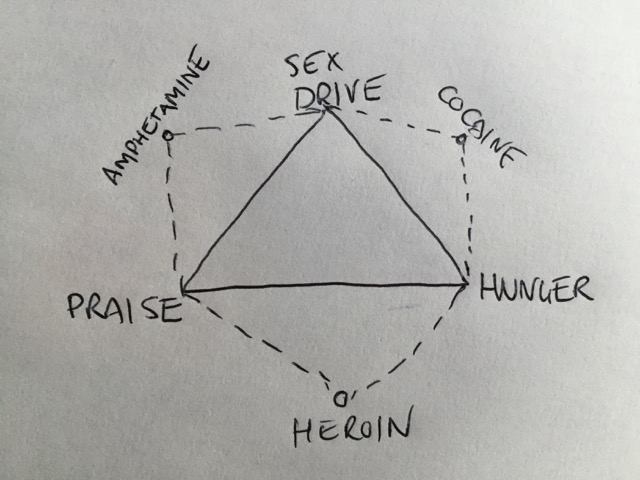
    Addiction triangle

    For solitary creatures, there are two drives that ensure they live long enough to reproduce: hunger and libido. If you didn’t feel hungry, you’d be too busy fucking to stop and eat, so you’d die of starvation. In fact you’d probably die of starvation before you even reached sexual maturity. If you didn’t have a sex drive, you’d be too busy gorging yourself on food to have sex.

    There’s a delicate balance between effort, pain and reward. In animal studies, laboratory tests have measured the amount of work – in calories – that an animal is prepared to do to get a food pellet. There’s no point burning more calories than the reward, so animals will only work so hard for something to eat. Tests also showed that animals are prepared to suffer a certain amount of pain if they’re hungry: lab rats will cross an electrified floor to get to a food pellet, even though it hurts their feet. The same goes for sex: the horny rats will work and put up with pain, in order to mate.

    When we examine social animals, like us, the co-operative rewards are harder to understand. It’s clear that individuals will die if they don’t get enough food, and genes will die if individuals don’t reproduce, but what’s in it for us to be social? Well, the lone wolf is very unlikely to be able to hunt and kill prey on its own.

    Dogs are the perfect animal to help us understand praise. A dog will fetch a stick for its owner, even though it gets no food or sex. Humans have figured out that if you can make a dog believe you’re the alpha of the wolf pack, then the dog will go wild for your approval. Through body language cues, such as bared teeth or wagging tails, the message of social approval or disapproval can be sent. Dogs are evolved to seek praise, because it bonds their hunting pack together.

    We can then start to see how different drugs affect our brains, through changes in our behaviour.

    Let’s start with amphetamines (speed, whizz, base, meth etc.)

    Amphetamines suppress appetite. Because one side of the triangle has been suppressed, it leaves room for an increased sex drive and more pleasurable lovemaking. Addicts who inject crystal methamphetamine can masturbate or fuck (or both!) for 12 hours.

    Heroin suppresses your sex drive. Heroin addicts can be perfectly functional people, who eat enough to stay healthy, but they’re getting their kicks from the junk, so they don’t need sex.

    Cocaine removes your insecurity and need for praise. When you’re high on coke, you know you’re the best. Instead of nervously looking around to see who’s approving and who’s disapproving, you act as if you’re the alpha of the pack; king of the hill; top dog.

    Addictions are nothing more than a temporary perversion of our natural urges; survival instincts; drives. We simply retrain our brains to want drugs instead of food, sex and praise.

    Last night, I couldn’t sleep because I had cravings. I was lying awake, daydreaming about going to a dealer and buying the thing I was really craving. It was a craving like every craving I’ve ever had. The craving completely consumed me and I could hardly think about anything else. There was only one thing that my heart desired.

    So, today I went to the [meat] dealer, and bought myself some [dried South African beef] product. I travelled across London with single-minded purpose: I was out to score and feed my addiction.

    I can’t emphasise enough how similar drug cravings are to feeling hungry or horny. The urges are identical. Drug cravings are indistinguishable from the natural urges that keep us alive. Saying “you’ve got no willpower” to somebody, while stuffing your face with a big pie, is ridiculous. How often have you given up food and how long have you fasted for? Try doing it for 28 days. Try doing it for 13 weeks. Try doing it for life.

    Of course, if the brain can be trained to like something, it can also be untrained. Rabid animals get driven mad by hydrophobia: swallowing gives rabid animals painful spasms in their larynx, so they start to fear water even though they’re desperately thirsty. There are several foods that are said to be an acquired taste: it takes some time for our brains to learn to associate the strange flavours with nourishment. Often, an upset stomach or a bout of food poisoning is enough to create a strong link in our brains that causes us to reject certain foods.

    Alcoholics can break their addiction by taking medication that will make them throw up if they drink. This kind of negative conditioning can break the perverted programming of the brain. Instead of eagerly anticipating the reward of a ‘buzz’ every time you get drunk, you begin to associate alcoholic drinks with nausea.

    Unfortunately, the programming can work in reverse. If you have lots of fantastic sex when you take drugs, you can then start to crave drugs every time you get horny. ‘Normal’ sex can start to feel uninteresting and not worth bothering with. Your libido becomes your enemy: driving you to seek drugs every time your nut-sack needs emptying.

    I’ve been well aware for some time, that I need to stay on top of my libido or else it will work in harmony with residual drug cravings to overpower any freedom of choice that I supposedly have. “Willpower” and the feelings of guilt we have about all indulgences of our natural urges, are the attempts to impose morality on an entirely amoral thing: we have no control over our desires.

    Yesterday was a new one on me: a hunger for food that was as strong as any drug craving I’ve ever experienced. Addiction works in strange and subtle ways, inhabiting your subconscious and trying to subvert your supposed freedom of choice. Lots of addicts will relapse ‘by accident’ because the levers being pulled in their brains are powerfully influenced by forces that we rarely acknowledge.

    We rarely talk about showing off or trying to get a shag, but those things are far more influential on our world than almost anything except stuffing our faces with pies.


    Tags:

  • I’m Never Drinking Again

    This is a story about being drunk…

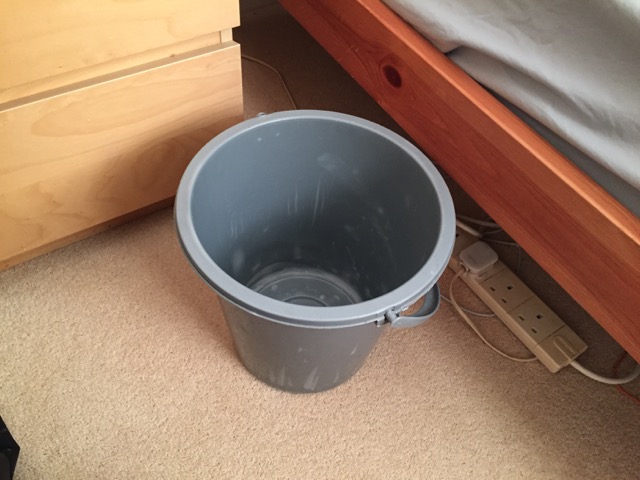
    Bucket

    I’ve been consuming far too much alcohol, but I don’t really believe in New Year’s resolutions or pointless periods of abstinence. For a bet, I beat my friend’s 100-day sobriety record, but it proved nothing.

    For my liver and my bulging belly, drinking less would be beneficial, but I’m not going to quit completely, just like I’m not going to join a gym or destroy my knees and hips running.

    To say “I’m going to drink less” is ridiculous, because I always get the thirst for alcohol after the first couple of drinks, and then all self-control is lost.

    I was so hungover today that I almost felt like starting drinking again, just to feel better. I guess I have a natural instinct that it would be the beginning of the slippery slope to alcoholism if I were to do that.

    I’ve been drinking every day for quite a while now, but I don’t think it’s getting worse, nor am I turning into an alcoholic. I’m drinking as a very unhealthy coping mechanism, which isn’t good, but what else should I do? Cut myself? Take up smoking?

    Alcoholism and drug abuse are symptomatic of a need to self-medicate. Alcohol is a useful crutch, so I shan’t be giving it up. I’ve already extensively proven that I can have periods of total abstinence, when I put my mind to it. Why bother giving up something that’s a useful stress reliever, that the vast majority of people use?

    I’m starting to sound a bit defensive, and I guess that’s because I know that I’m drinking more than I’d really like to be, but that will change as my life improves. Alcohol does improve my life, up to a point, although I’m drinking too much at the moment.

    Twice during the festive season, I thought “I wish I hadn’t drunk so much” and had a horrible moment where the room was spinning when I went to bed. I haven’t thrown up or anything so vulgar and juvenile though: the bucket pictured above was never used as a vomit receptacle.

    I’m not an alcoholic because I don’t go to Alcoholics Anonymous meetings.


    Tags:

  • Alcoholic Christmas

    This is a story about social lubricants…

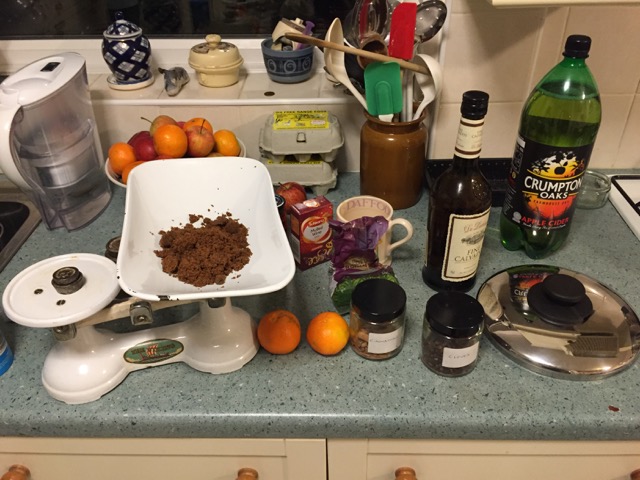
    Mulled cider

    This time last year, I was attempting 101 consecutive days of sobriety. I actually managed nearly 120 days without alcohol in the end. I’m pretty sure that the lack of ‘crutch’ meant that I wasn’t able to self-medicate with booze when I needed it, which caused hypomania to flair up during a period of incredible stress.

    I’ve been juggling the fine balance between stimulants and tranquillisers, in order to cope with a boring career that has lasted two decades. Tea, coffee, cola, wine and beer: it’s a winning formula.

    “An alcoholic is someone you don’t like, who drinks as much as you do” — Dylan Thomas

    There are all kinds of middle-class rules that differentiate the right sort of people from those dreadful sorts who swig Special Brew in the park. No drinking before midday. Don’t mix your drinks. Craft beers. Fine wines. Single malt whiskies. It’s the snobbery of it that means that the wealthy can drink copious amounts and get away with it.

    Of course, there are people who are alcohol dependent. If you consume huge amounts of alcohol every day, you’ll suffer life-threatening withdrawal if you abruptly stop drinking. You might have a seizure and die.

    I’m sure my liver was very grateful for that period of sobriety last year. I’ve gained a load of weight through drinking, which isn’t healthy. My weight has fluctuated wildly this year. I was really thin and bony back in March. I drank loads to get through a dreadfully boring contract and I’ve been drinking heavily again to cope with the stress of evicting a flatmate, having to look for work again, worrying about cashflow, the pressure of Christmas and everything else that everybody in the entire world worries about too. I’m not unique and what about the starving Africans etc. etc.?

    The big change in my consumption habits is that I no longer drink alone.

    It’s quite possible that I’ve entered into a kind of co-dependency, but equally there are safeguards when you drink with others: you know when you’re drinking faster than everybody else and you know when you’re drinking more than other people. It’s remarkable how the social shame of guzzling booze when everybody else is sipping, means that you can moderate your behaviour somewhat.

    “Do you want a drink?” my kind host asks.

    “What’s everybody else doing?” I reply. “I’ll wait… don’t open a bottle on my account.”

    It’s clear from the size of the alcohol aisle in the supermarket and the clink of bottles being loaded into the back of cars, that a British Christmas is a boozy Christmas, for most households. Family traditions are varied, but everybody likes to pop a cork or two over the festive season. I can’t imagine a sober Christmas, even though I had one last year.

    The hardest thing about quitting booze was not the craving for alcohol – that subsided after only a few days – but how ubiquitous it is. My AirBnB host in San Francisco was visibly put out that I declined the offer of a drink at Halloween. On several occasions, there was relentless pressure on me to ‘cheat’. I refused to even sip wine for the taste. If I was going to undertake the challenge, I was going to do it properly!

    Go Sober for October was the charitable event that gave me a legitimate excuse to get through the first 30 days of sobriety. Without that, I’m sure I would have weakened under peer pressure. I’m sure I would have got into the habit of cheating.

    That’s why drinking alone is dangerous: once you pop you can’t stop. So many times I say to myself “I’m just going to have one glass of wine/beer” only to then find myself finishing the bottle or the 4-pack. It’s been a very successful strategy, to be a social drinker. I’m super self-conscious about being drunk or high, when those around me are ‘straight’ so I just don’t do it. There’s safety in numbers.

    I drink too much and I’m alarmed by my weight gain, but I’ve made it to Christmas Day without total disaster. Things could be better, but they could be a lot worse.

    Think about how much your day is structured around socially acceptable drugs: you want your morning coffee and then you’re craving something to ‘take the edge off’ in the evening. Round and round we go, with our uppers and downers.

    I’m embracing alcohol, because the desire to become intoxicated is inextricably bound up with the human condition. Coping with modern life is impossible without some kind of ‘help’. Stress will drive you crazy: I can vouch for that.

    There’s an arms race – of course – where our employers expect us to be able to cope with unrealistic levels of stress and exhaustion, because they’ve gotten used to everybody being hopped up on coffee during the day, and drunk enough to sleep at night. However, that’s not to say that alcohol and caffeine are bad, when used sparingly to cope with life’s unpredictable peaks and troughs.

    Anyway, I need to get on with Christmas Day. It won’t be long before the Buck’s Fizz starts flowing. The day will pass much more pleasantly with a warm alcohol glow and a fuzzy brain.

    Habit of a lifetime.


    Tags:

  • Structure and Routine

    This is a story about unhealthy coping mechanisms…

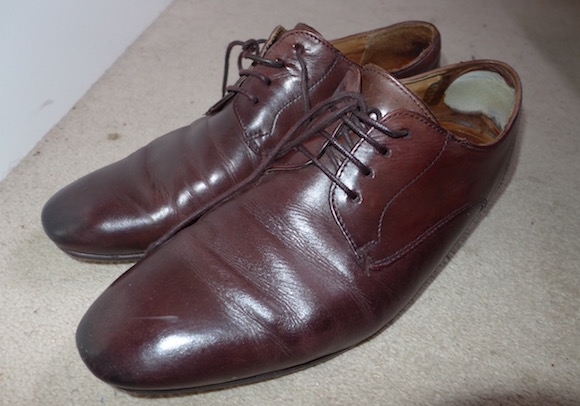
    Work shoes

    I’ve been surviving on a combination of barely concealed loathing and contempt for my job, copious amounts of alcohol, occasional use of tranquillisers and a lot of passive-aggressive blogging. It seems to have worked, according to my bank balance and my CV.

    In four months, I had one day off sick and a one-week holiday. That’s not bad. Just 6 working days that I was unproductive. 1 out 82 working days unwell is only 1.2%.

    It’s been killing me in unusual ways though.

    I’ve been comfort eating a lot. When I first started my contract, I was munching my way through loads of sweets and nuts at my desk. I was having a great big lunch. I was having cakes and pasties. I was having super-size meals at McDonalds. I was coming home and stuffing my face with crisps, ice cream and unhealthy meals.

    I’ve been drinking far too much. To begin with, I was picking up a bottle of wine on my way home, every single day. I switched to beer because I could drink more of it, but there would be less alcohol in it. There’s 94ml of alcohol in your average bottle of white wine. There’s 75ml of alcohol in 3 cans of lager, even though the beer is double the volume. Then, things got out of control briefly. I was having two bottles of wine, or 6 cans of beer. The alcohol was a real problem, but then so was the job. Sobering up at my desk was a way of getting through the day.

    Early on in my contract, I decided that I wasn’t going to blog at work. I wanted to do my best to look busy. I didn’t even want to surf the web and read the news websites that I like. I certainly didn’t want to be looking at Facebook on my phone all day long. However, that just made things worse. Getting through the empty boring days was excruciating agony. By the time I got home, I was so relieved, but so stressed out, that I felt I needed alcohol to relax and face the next day.

    Then, I started to read the news. I found myself constantly clicking refresh, willing something to happen. The summer months are fairly dreadful anyway. The politicians have gone off on holiday, the markets are quiet. Not a lot was going on. Brexit provided a very unhealthy obsession for a while, and I took great delight in trolling the closet racists and xenophobes. Post-Brexit was quite anti-climactic, and just tragic.

    I decided that the only way that I was going to stay sane was to write 3 times a day. I was briefly mailing short stories that I was writing to a couple of friends. They helped to keep me sane by being the willing recipients of my bleak allegorical tales of wage slavery: read Alan the Alcoholic if you want to know what I mean.

    Finally, I decided I would allow myself to blog at work. I had the additional problem of being told I could no longer use my personal MacBook and I would have to have some piece of shit PC “because data security” or whatever. Anyway, I then didn’t have access to my photo library – I try to use images that I own the copyright for – and I didn’t have Photoshop to be able to make high quality edits. There’s also a slight worry about what kind of corporate spyware is watching what I’m doing.

    Somehow, I’ve nearly limped through to the end of my contract, and I even managed to work my notice period, which is something I haven’t done for 6 or 7 years. I’m even getting a couple of leaving dos, as opposed to being escorted off the premises by security (that’s never actually happened, but things haven’t been wrapped up ‘neatly’ in recent years).

    Obviously, I’m on really dodgy ground, because I’m going to be looking for a new contract in a fortnight or so, and I suppose prospective new employers could stumble on my Twitter profile, Facebook page or this blog. So, to be sensible, I probably have to blog “nicey nicey” for a couple of weeks, so that all the juicy gossip is buried deeper than most miserable corporate drones would ever dig.

    I’m not sure what the magic formula is for recovery from clinical depression / major depressive disorder, bipolar disorder, substance abuse (dual diagnosis), borderline personality disorder, functional alcoholism and all the other labels that get bandied around. However, I’m pretty sure that it looks like this:

    • An absolute imperial fucktonne of cash. I mean LOADS.
    • Rest & recuperation. I don’t just mean a couple of weeks. We’re talking months or years
    • Surround yourself with addicts and people with mental health problems. Nobody else ‘gets’ it
    • Cut horrible toxic people out of your life
    • No compromise
    • Force yourself to do things you don’t like very much
    • Do something that requires discipline and routine, and stick with it for months, if not years
    • Set yourself some achievable goals, where you’re in control

    That last one is probably the most important. I absolutely love the fact that I’ve been blogging for over a year, and I’m on track to write 365 blog posts and 450,000 words in less than 13 months. I’ve blogged from psychiatric hospital. I’ve blogged from San Francisco. I’ve blogged from a desert island off the coast of North Africa. I’ve blogged through a couple of projects from hell. I’ve blogged through depression. I’ve blogged through addiction. I’ve blogged through isolation. I’ve blogged through loneliness. I’ve blogged through suicidal thoughts and self harm.

    The only thing I haven’t quite done yet is to blog through happiness and contentment, but either that’s coming or blogging is keeping me trapped in a certain mindset and stopping me moving on with my life.

    I don’t think writing like this is keeping me stuck in a rut. I can’t imagine my life without writing now. Writing has become such a part of me. I’m more a writer than anything else. There’s nothing else I live for, as much as writing. There’s nothing else that I put as much passion and energy into. There’s nothing else I’m as enthusiastic about.

    I guess for many people, work is what defines them. “What do you do?” is the classic middle-class party icebreaker question, when meeting new people. What do you even say if you hate what you do, or you’re flailing around to find something new? What should I say, on Thursday, when I’m out of a job again?

    If I tell people I’m an IT consultant, that’s slightly misleading, because that’s a thing that I do just to get money when I’m desperate, and I won’t even be consulting for any clients on Thursday, or for at least a fortnight or so after that.

    However, I’m not going to stop writing when I finish my contract. I can’t see me ever stopping writing, now I’ve started. What would I do with myself? How would I structure my day, without writing?

    Obviously, writing is not a panacea, and it’s a dangerous strategy to turn yourself into an open book. So many people will gleefully abuse your honesty, in order to gain a competitive advantage over you, put you down. So many people are looking for an excuse not to hire you, or to sack you. I’m giving my enemies all the ammunition they could possibly want.

    However, isn’t there something poetically wonderful about loading the gun, handing it to your enemy and turning your back on them? If they choose to shoot you in the back, with the bullet that you loaded in the weapon that you gave to them, isn’t that going to eat away at them for the rest of their life?

    Isn’t there something exciting about deciding to say things that you’re not allowed to say because of the conspiracy of silence? People are so afraid about becoming unemployable, and tainting their professional reputations. I almost want to start linking to this blog from my LinkedIn. Of course, every time I write the word “LinkedIn” the higher up the Google search index I will climb when somebody types “nick grant linkedin” into the little search box.

    I’m not sure how much the 9 to 5, Monday to Friday routine has given my life some useful structure. I think, on balance, it’s been more damaging to my mental and physical health to have a shitty project and an offshore team, than any benefit that I have gained by forcing myself to get out of bed every morning. I have no difficulty getting up and getting on with being productive, when I’m working on something that isn’t mind-numbingly boring and depressing anyway.

    The suffering has been worth it, financially, and with money comes opportunity: the opportunity to find something better to do with my limited time on the planet. Life is short: too short to be working a job that’s like death itself.

    Who knows how I’m going to feel when I wake up on Thursday. Will I feel elated, depressed, motivated, anxious?

    I’m not exactly in a rush to get my CV out into the marketplace and find myself in another shitty contract. I want some time out, and I want to be more picky about the project I choose next time, even if I am still in a precarious financial situation. It’s unwise to become complacent about your employability. Catastrophic market events can happen at any moment, and work can dry up overnight.

    Will I be able to cut down my drinking, eat less, exercise more, or will the task of job hunting loom large and make me unbearably anxious? I certainly lost a lot of sleep during the week that my contract was terminated early and my flatmate revealed that he didn’t have any money to pay his rent & bills for the 4th month running. Life’s never straightforward, is it?

    Health vs. wealth. That seems to be the battle that is being fought. Is it possible to have it all? Watch this space.


    Tags:

  • Arms Race

    This is a story about trying to stay ahead of the game…

    Hot Coffee

    The Olympics and the Tour de France have been full of sportsmen and women using a variety of drugs to enhance their performance. Doping in sport became so widespread that it was virtually impossible to compete without performance enhancing drugs.

    We think that competition is linked to sport and that athletes are naturally competitive, but in fact competition is present in every aspect of our daily lives.

    You want an attractive girlfriend or boyfriend, right? The more universally appealing a person is, the more potential suitors are vying to try their luck. The ‘hotter’ somebody is, the more people are trying to hop into bed with them. Attractiveness means few genetic defects: looking flawless, perfect. The pre-programmed urge to reproduce with the healthiest person who’ll have you, is the reason why you’re alive today.

    We all know that alcohol is a social lubricant. “Dutch courage” means that after a few drinks we are disinhibited, and we can overcome the social awkwardness of talking to the objects of our affection. When we’re drunk we take that chance of rejection, leaning in and kissing somebody for the first time.

    It’s pretty clear that those who are intoxicated will be braver and less anxious about rejection and humiliation, than those sober singles who are nervously hoping to be asked to dance, and trying to muster the courage to chat somebody up. Therefore, there’s a pressure to get drunk, and get your date tipsy, if you’re hoping to couple off and copulate.

    Cocaine gives artificial confidence. Cocaine makes people talkative, gregarious and removes their self-conscious awkwardness, shyness. We tend to be very attracted to confident and outgoing people. The pack alphas are naturally the most confident, and we want to mate with the alphas, not the betas. Royal families are inbred as hell, but every girl wants to marry a prince. Cocaine can help you to talk and act confidently, which makes you more attractive, and cocaine is very likely to bring the affections of potential mates.

    So, it’s pretty clear that in order to compete with other blokes eyeing up the skimpily clad girls on a night out, being tanked up on alcohol and having snorted a couple of lines of cocaine is going to give you the competitive edge. There’s a high incentive to be intoxicated with alcohol and cocaine.

    At work, many of us are mandated to work longer hours than we are able to do with our normal sleep/wake cycle. 54% of adult Americans drink coffee every day. Anecdotally, so many people say “I can’t function without my morning coffee”. It’s quite commonplace for people to joke on social media about homicidal tendencies before they’ve had their fix of caffeine. Many a true word is spoken in jest.

    Because so many office workers drink coffee, the working hours take this into consideration. Without coffee, the 9am start time would have to be 10:30am. Without coffee, those late nights in the office would be pointless, because nobody would be able to concentrate and stay awake.

    Caffeine is a wakefulness promoting agent, and it’s a concentration aid. Caffeine is great for concentrating on laborious boring repetitive tasks for long periods.

    However, when nearly everybody is drinking coffee, it becomes a necessity for coworkers to drink it too, in order to match the office hours and concentration span of their colleagues. If your workmates spot your eyelids getting heavy, somebody is bound to suggest to you “can I get you a coffee?”. Nobody is likely to say “maybe we should all go home early, not work such long hours and stop drinking so much damn coffee”.

    There is a huge incentive to drink tea, coffee and energy drinks at work, in order to compete for the pay rises and promotions, and not be seen as a weak member of the team.

    We live in a culture that fuels depression and anxiety. The news bombards us with all of the world’s problems in full gory high-definition detail. The economy is tanking and we have to live with job insecurity, skyrocketing housing costs and little hope of ever being able to collect a good pension, let alone have our kids able to expect a good education and be able to live on a planet that hasn’t been destroyed by climate change. It’s depressing as hell. It’s stressful as hell.

    Instead of trying to change the world around us and improve things, instead we have medicated ourselves in vast numbers. 61 million antidepressant prescriptions were written for 65 million people in the UK, in 2015. Most people will take powerful psychiatric medication at some point in their lives, whether that’s sleeping pills, tranquillisers or antidepressants. The very sickest will have to take antipsychotics and mood stabilisers.

    Our jobs are stressful, and we’re fearful of losing our jobs. If we lose our jobs we’ll lose our houses. If we lose our houses, we’ll be homeless. The number of homeless people has soared by 80% in a single year in some parts of the country. There is plenty of reason to live in fear of destitution.

    Doctors hardly have any time to speak to their patients, and they hardly have any budget to prescribe talk therapy, so people who are stressed out get sent away with tranquillisers. People who can’t sleep get sent away with sleeping pills. People who are miserable, exhausted and can’t cope get sent away with antidepressants. There’s a pill for every ill, but it could be a sane reaction to an insane world, in a great many cases.

    When so many people who you work with are insulated from the stressful and depressing nature of the work, and the way that capitalism is raping the natural world and enslaving the poor, it’s easy to see how they are able to keep working, because they’re drugged up to the eyeballs.

    If your job, your house, your family and everything depends on you keeping your job, of course you’re going to drug yourself up with happy pills so you can keep trudging along on the treadmill. Who can afford to have a nervous breakdown? Who can afford the risk of losing their job, to take time out to rest and recuperate? Who wants to let their bosses know that they can’t cope with the stress, when everybody else seems to be doing OK?

    There is peer pressure to put up with shit at work and not complain. Put up and shut up. Fit in or fuck off.

    Because of the hyper-competitive work arena, of course we need to mask our mental health symptoms with pills, even if the underlying issue is a deep unease with the bullshit jobs and the negative effects on the world.

    “Everybody’s got to work”… but what if you’re a debt collector? What if you’re price gouging your customers who need their gas & electricity, so that you can make more money for your bosses? What if you’re manufacturing weapons? Honestly, have a think about what you do for a job, and ask yourself if it’s improving the human condition, or not.

    Collectively, we should stop and say “this is madness”. We can’t sit here in the UK where the economy is 80% service industries, and say that what we’re doing is productive and useful. It’s impossible that we should need so many lawyers and accountants. It’s impossible that we should need so many bankers. It’s impossible that we should need so much software. It’s impossible that we should sit here idly counting beans, while some poor person is out in the beating sun growing our food, earning $1.50 a day.

    For sure you don’t want to end up in the field picking fruit and vegetables for a pittance of a wage, but that doesn’t mean you have to prop up the status quo.

    Acting with your conscience and with ethics as an individual is likely to hurt nobody but you, but it’s also harmful to you to load yourself up with performance enhancing drugs, simply so you can compete.

    It’s only in the spirit of non-competition that we can end the rat race and smash the tables of the money lenders and other idle social parasites. The parasite class need to be cast out from society. The parasite class are antisocial. The parasite class are making billions of people’s lives miserable.

    There’s no way to win a rigged game. The only thing you can do is not lose, by not taking part.


    Tags:

  • Right to Die

    This is a story about euthanasia…

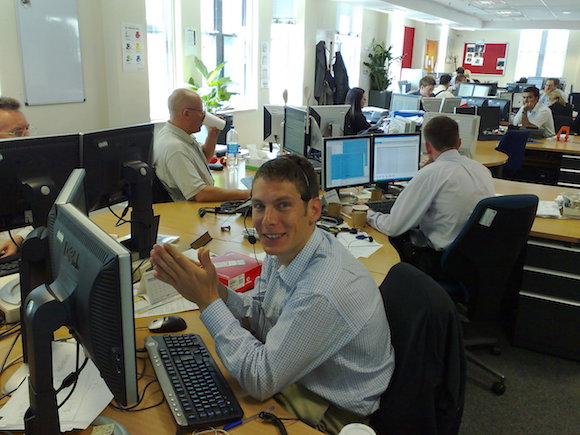
    Nick at work

    I need to cover what I’m about to write with a hefty preamble, full of caveats and other disclaimers, because there are so many considerations with this issue, but it’s an issue I need to tackle.

    Firstly, let’s consider this: nobody really wants to die.

    For people who are in pain and other kinds of physical discomfort, or are otherwise afflicted by diseases, injuries or genetic problems that mean their quality of life is terrible, or certainly going to end up terrible: these people do not want to die. Those people would dearly love for a cure or some kind of relief from their symptoms that doesn’t come with intolerable side effects.

    Clearly people who want to prematurely end their lives in a dignified manner, have exhausted all treatment options, and their future looks bleak: pain, discomfort, infirmity, senility and disability.

    Alzheimers and other kinds of incurable degenerative brain diseases carry the added worry that the sufferer will no longer be of a sound and rational mind when the illness reaches its late stages, and they will burden their carers, while perhaps not even being able to recognise their loved ones any more.

    Let’s also consider this: some people have hope, while others do not.

    Yes, there’s always a chance of a miracle cure. Yes, there’s always a 1-in-a-trillion shot that God might personally intervene to remove the horrible afflictions that he originally cursed you with.

    Most people love life and can’t bear the thought of being torn from the arms of their loved ones. Most people cry out in fear, when they think they’re about to die. Most people fight to survive.

    There are people who have gone through many bouts of surgery, chemotherapy, radiotherapy, transplants and who take bucketloads of medications with horrible side effects, and generally battle through awful sickness and pain, holding out hope that their ailments will be at least treated well enough to prolong their lives a little longer.

    Some people might spend a long time on a transplant list, barely surviving, while oxygen and dialysis just about preserve them while they wait for a donor match. An agonising race against time happens: will a donor arrive before the illness kills the poor helpless person who can only sit and wait?

    I feel like I should use softer language, to cushion the blows for every person who’s lost a child, parent, friend, partner, relative. Death is painful, and all the more so knowing that a person had so much more life left in them. Death can be so cruel. People so deserving of more life can be snatched away, while others who are seemingly careless with the gift of life can seem so selfish and ungrateful for their good fortune to have been spared by the gods.

    And it’s the ungrateful ones I want to talk about.

    What do you do with the alcoholic who ‘wants’ to drink themself to death? What do you do with a suicidal person?

    The footballer George Best famously received a liver transplant, and then proceeded to court controversy when he was caught drinking again. Instead of demonstrating his gratitude for his stay of execution, by becoming teetotal, he was clearly the same person – ungrateful for life some might say – as he was before he received an organ donation.

    What do you do with somebody who is determined to kill themself? Do you put them in a straightjacket and keep them in a padded cell indefinitely, just so that they can die of old age in an asylum?

    It might be the case that a suicidal person is in perfectly good physical health and does not abuse drugs or alcohol, but they are nonetheless determined to end their own life prematurely.

    There’s a general belief that telling people that their lifestyle is much akin to suicide, will curtail their health-damaging behaviour. Doctors mostly seem to take the route of saying “if you keep drinking, you’re going to die young” to alcoholics. While most people would think that this would shock somebody into cutting down their drinking, in fact there’s little evidence that it has any affect at all.

    Similarly, telling suicidal people “you’ve got so much to live for” and “it’s just your depression telling you lies” and other statements that make perfect sense to people who are not suicidal, is also ineffective. The only thing that has proven somewhat effective – as far as short 12-week studies paid for by pharmaceutical companies can tell – is psychoactive medication.

    Smoking causes many preventable diseases, and is a big killer, but yet people still choose to smoke even though it’s expensive, makes you smell and stains your teeth. You would have thought that the large “SMOKING KILLS” health warnings on packets would cause people to stop smoking immediately, but no.

    You know what one of the most effective smoking cessation treatments is? It’s the antidepressant called Wellbutrin (marketed as stop-smoking drug Zyban and generically known as Bupropion).

    Why would an antidepressant be a good treatment for smokers? Well, let’s consider two things: firstly, people smoke because they’re missing something. Take smoking away, and a smoker’s life is now incomplete. Removing nicotine and the habit/ceremony of smoking leaves a void in that person’s life. Also, you’ve got to be fairly depressed to do something that’s clearly a threat to your health, and possibly your life.

    Wellbutrin is a fast-acting antidepressant, unlike anything we can get on the NHS. Instead of making people feel sleepy and emotionally numbed, Wellbutrin has been proven to offer a number of improvements in the lives of patients, including their sex lives. Wellbutrin is France’s most popular antidepressant.

    What do you really want from an antidepressant, other than to relieve your symptoms of depression now when you’re feeling it? Being told that a medication might take 6 to 8 weeks to become effective, and then having to suffer your symptoms that whole time while you’re waiting is no use at all! Some depressions will lift naturally after a month or two anyway.

    But what goes up must come down. After some weeks or months taking Wellbutrin, many patients experience panic attacks and insomnia. Plus there’s the obvious problem of having to stop taking the medication at some point, and suffering the comedown (sorry, I mean withdrawal syndrome).

    Yes, the difference between ‘drugs of abuse’ and ‘prescribed psychoactive medications’ is precisely zero. Every medication that has an upside also has a downside. Addiction and habituation with prescription medications is just as much of a problem as with street drugs. The only difference is medical oversight and quality control.

    And so, I arrive at the situation where I’m perfectly well aware that I can get short-term relief for the symptoms of my depression, in the form of a pill from my doctor. However, I’m equally aware that to go down that road is to have a lifetime dependence on medication for my sense of wellbeing. Basically, do I want to be a medically sanctioned drug addict? None of the stigma, but all of the same behaviours.

    You’re right, I wouldn’t have to lie, cheat or steal to feed my habit. I can wander into my pharmacist, and get my uppers over the counter, and carry on like I’m a fine upstanding member of the community. Did you know that even heroin addicts are completely functional members of society, when they can get a clean high quality supply of the opiates they need? When doctors in the UK used to prescribe heroin, there were none of the antisocial problems that we instinctively associate with drug abuse today.

    Of course, I’m not advocating drug abuse, but then I’m also pointing out that the flaws that afflict a smoker, a drinker, a junkie and even a depressed person… they’re all rooted in the same psychological need to cure an invisible illness.

    Pretty soon, I will have spent a year where over 75% of the time I was using no psychoactive substances at all, except for alcohol. A period of 115 consecutive days – 32% of the year – I was completely teetotal. For the whole year I had no tea, coffee, cola, energy drinks, or caffeine containing headache pills (more common than you think). I’m completely unmedicated.

    How do I feel? Awful.

    It seems to me like I have a choice: suicidal depression, or drugs (i.e. medication, coffee & alcohol etc.)

    I know that a scientific study with one participant tells us nothing, but equally I’m not a group, I’m me. You can’t dismiss my individual findings, that are true for me. I’ve gathered the data during a 20 year career, and I’ve come to the conclusion that my life is unliveable in its current form.

    When you are conducting a scientific study, you have to control the variables. Thankfully, I’m an ideal test subject for this.

    Since the age of 17, I’ve been a very well paid software engineer. For sure, during the first couple of years it took me a while to get my salary up to a decent level, but since the age of 19 I’ve never had to worry about money. Also, I’ve done pretty much the same thing for all my career: sitting at a desk, tapping on a keyboard, making software.

    I’ve had the same running crisis my whole career. When I was 19, I was bored so I applied to university and was offered places at some very prestigious institutions to study psychopharmacology. I decided to stick with the money, and keep selling my soul to the highest bidder.

    When I was 28, depression had crushed me to the point I was on my knees and unable to turn up and do the same office bullshit anymore. I retrained as an electrician and started my own company.

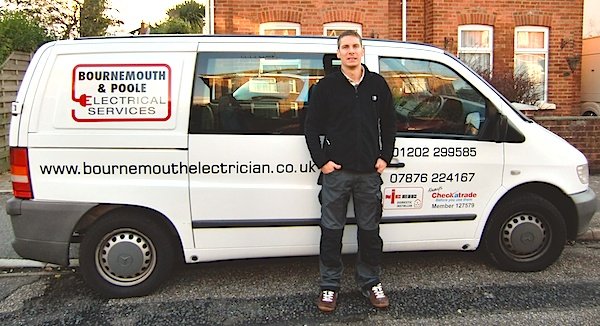
    Man with van

    As a self-employed tradesman, I loved what I did, but I was grossly underpaid for the level of responsibility I had. Ordinary members of the public think that tradesmen are out to rip them off. In reality tradesmen are highly trained professionals whose job it is to stop houses burning down and families being electrocuted or poisoned by carbon monoxide.

    The freedom of not having a boss, not having a 9 to 5, Monday to Friday routine, and not having to sit in the same damn chair at the same damn desk, pushing the same damn 102 keys on the same goddam keyboard… all of those things are just as great as they sound. However, getting paid peanuts to do dangerous dirty work is also not great either.

    And so, I returned to what I’m experienced and qualified to do.

    I earn staggering amounts of cash for moving my mouse around and looking busy at a desk. However, I used to earn £470 per day when I was 20 years old, doing computer programming for Lloyds TSB back in the year 2000. My job is exactly the same today, doing the same damn computer code for HSBC, JPMorgan, Barclays or any other damn bank.

    But maybe the problem’s banking? Nope. I’ve written computer code for nuclear submarines, torpedos, school computer networks, trains, parking ticket machines, busses, security guards, shop assistants and just about every other weird and wonderful industry you can think of. I’ve written in dozens of programming languages, for dozens of operating systems, on dozens of form factors. It’s all the fucking same binary 1s and 0s and boolean algebra under the covers. All code is made from the same nuts and bolts. It’s fucking boring.

    And so, I can be a miserable exploited worker on a low wage, doing something I take pride in but knowing that I’m undervalued. I can be an overpaid and underworked software developer / scrum master / development manager / IT director. I can be a stressed out startup founder working my arse off to line the pockets of the venture capitalists who are going to get filthy rich at the expense of my health. I can be a destitute bum, a tramp, a hobo. Which would YOU choose?

    I particularly object to the idea that I have to drug myself up, just to fit in with the bullshit jobs economy. I object to having to be high on antidepressants just to be able to cope with the same bunch of fucktards making the same fucking mistakes I’ve seen a million times over, in the job that I’ve mastered and brings in obscene amounts of cash. I object to having to be high on anxiety medication, to cope with the insecurity faced by the underpaid and undervalued front-line members of society who build your houses, look after you in hospital, grow your food and perform every other truly useful function that we need.

    Even to work in civil engineering would frustrate the hell out of me. Crossrail, the multi billion dollar project improve London’s cross-capital transportation, is rather pointless because it will be at full capacity on the day it opens, because London is already packed full of idle fucktards like me, clogging up the world with pointless makework jobs. Do we really need any more offices and office workers? Do we really need any more service sector jobs? Do we really need such a bloated financial services sector, with its equally parasitic support industries of corporate law and accounting? It’s all such utter bullshit.

    And so, I’m damned if I do and I’m damned if I don’t.

    In my 20 years of full time work, I’ve become worn down with it all. I’m exhausted. I’ve tried a number of things, and I find that bullshit prevails everywhere I look. My heart is broken by all the bullshit that trumps everything else.

    I’m exhausted, and I’m depressed and I’m suicidal.

    Yes, I know some people are grateful for their lives and what little quality of life they can squeeze out of their existence. Yes, I know that I have good physical health and I’m reasonably young still. Yes, I know that there’d a queue that stretches around the planet, of people who would love to have my job.

    So, if I choose to reject all that and end my life because I feel like I have no quality of life, is that morally wrong?

    You can’t even level the accusation of me that I don’t know suffering, and I don’t know poverty. I’ve lived homeless in a park, destitute, penniless and surviving on charitable food donations. I’ve woken up in hospital numerous times in pain and discomfort. I’ve had numerous scrapes with death. Shouldn’t all that stuff make me grateful to be alive? Guess what? You have absolutely no idea. Guess what else, I have a very good idea, because it’s already all happened to me.

    I wasn’t born with a silver spoon in my mouth. I went to state comprehensive schools. I wasn’t gifted jobs by any friend or family member. I had no head start in life. It’s true that I have no obvious disability or disadvantage either, unless you count a couple of drug addict alcoholic parents, but I still had other family members, teachers and friends who were nice to me. It’s not a fucking competition. The point is that the variables are controlled. I neither had advantage nor disadvantage, but yet I arrived at this point, here, now, today.

    It’s not like we can say this is just a short-term crisis. Like this will fucking blow over.

    It’s not going to blow over. For 20 fucking years it’s been the same. The same shit, different day.

    Yes, there were times that were actually pretty good, but guess what… they weren’t sustainable. I liked living in a hostel with a bunch of other homeless people. I liked not having a job and being a bum. I liked having no responsibilities. Who wouldn’t? But that’s not real life. We don’t get to have a freebie just because ‘real’ life is killing us. It still cost £120 a week for my bunk bed in a dormitory that slept 15 people, with one fucking bathroom between us all. My current rent is only £240 a week and for that I get a double bedroom, an ensuite bathroom, a kitchen, a dining room, a dual-aspect lounge with panoramic views over London and a balcony overlooking the river Thames.

    I should be happy, but I’m not. Happiness is not a choice, no matter what you read on some bullshit Internet meme inspirational quote.

    All the right pieces are in place. My doctors are chuffed to bits that I don’t drink, smoke, abuse drugs or in any way engage in health damaging behaviours. My blood pressure is amazing. My cholesterol is low. My eyesight, hearing, teeth, joints… all of it is perfect.

    And yet, my mental health is in ruins. I’m so depressed. I’m so suicidal.

    I’m doing everything right, and yet everything feels so wrong.

    Of course I feel guilty for feeling like this. What the fuck am I supposed to do though?

    Honestly, I feel like I want to spend the next 30 days convincing people that the most humane thing is to let me end my life. Honestly, despite the things that should be really great in my life, nothing feels great. Nothing feels good or nice. Nothing works. Nothing is working.

    There’s still the possibility of just running away and absenting myself from all responsibility, but then when I’m dirty and sick from a life of destitution… when I die then, will anybody understand? A tramp, a bum, a hobo, a junkie, an alkie… these people are all too easily dismissed by society.

    What happens when highly paid banking IT consultants start dying? Well if they’re white middle class thirtysomething men… not much. Who cares? Probably just a selfish socialite, having a tantrum because they can’t do whatever they want, one newspaper article basically said, in the wake of one death.

    What the fuck is anybody supposed to do about this fucked up life that we’re supposed to live?

    I really don’t feel like I can live this bullshit rat race anymore, and the alternative is a long slow death, shunned by society and marginalised.

    In the long run, we’re all fucking dead anyway.

    Apologies if I’m triggering raw and painful feelings about your beloved family member or friend who is busily fighting for survival, or who lost their battle. I really don’t mean things disrespectfully, but I can’t lie anymore. I feel this stuff and it’s undeniable.

    Call me narcissistic needy spoilt white middle class brat if you like, if it’ll make you feel better. It certainly won’t make me feel any worse, but isn’t that so terribly melodramatic and attention seeking?

    Can you understand, how exhausting it is, having to justify your feelings and apologise for wanting to be dead the whole fucking time?

    It’s a one-way ticket and for sure it needs careful thought, but aren’t we being a bit unfair, shutting down the conversation by guilt-tripping people into hiding their feelings? Perhaps suicide is a smart choice for people who feel that they have no quality of life.


    Tags:

  • Alan the Alcoholic

    This is a story about destiny…
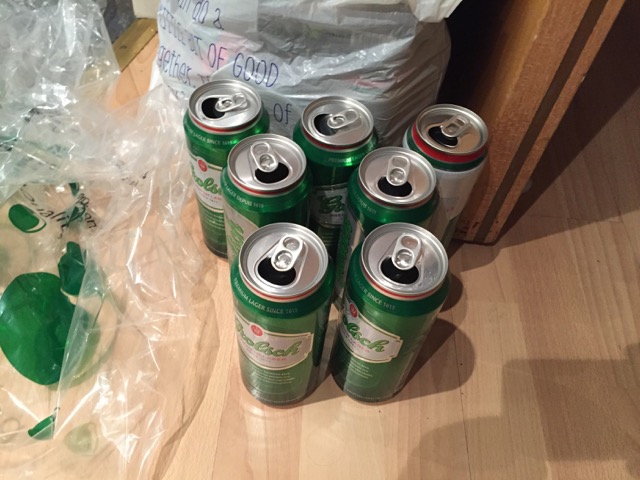
    Beer cans

    I’ve been writing short stories all this week to fill my boring days at work. I wasn’t going to share them, because I already share thousands of words every week, but this is one of my better efforts.

    Anyway, without further ado, please allow me to introduce The Factory:

    * * *

    His mother had warned him that if he didn’t try hard enough at school he would have to work in a factory, but this conflicted with Alan’s day-to-day experience with his teachers. Alan’s teachers always told him that he had amazing potential. Alan’s teachers always told him that if he just applied himself, he would be a brilliant student. Perfect! No effort required then, until the exams actually counted for something. Why burn yourself out over mock exams and other work? Keep your gunpowder dry until the real battle.

    Was it lazy? Was it arrogant? It seemed smart to Alan to not bust his balls on extra homework and every essay and assignment. School was going to go on and on for years and years, and then there was university after that. Yes, it was generally assumed that Alan would be going to university, because he was a sharp cookie. Just needed to apply himself. Just needed to try a bit harder. Why bother trying until the day of his GCSE exams, his A-levels, and his entrance examination for Oxford or Cambridge? Why break a sweat until then? Why get anxious about tomorrow’s problems, today?

    Whenever Alan did turn it on, concentrate, try hard, he found that he was showered with praise and good grades. His experience bore out everything that the world told him every day, except his mother’s prophecy that he would end up working in a factory.

    But now he worked in a factory.

    In the factory, there were warehousemen who drove fork-lift trucks, ferrying pallets of supplies around the factory buildings, or loading the boxed up products being dispatched to the wholesalers. There were machine operators, who pressed oversized industrial buttons, to start and stop the various plant that mixed chemicals in huge vats, pumped liquid, or carried things on conveyor belts. The machine operators were responsible for hitting the big red STOP buttons in the event of an industrial accident, so they were slightly higher paid than the warehousemen, who only had to have a fork-lift truck driving license.

    The lowest paid workers in the factory were those who performed repetitive manual labour that could not be easily automated. The manual workers took cans off the conveyor belt, stuck a sticky label on them, and then loaded them onto another conveyor belt. The manual workers picked out any cans with dents or loose lids, and put them onto large trolleys marked “Quality Control” which were wheeled to another area, where somebody else would check to see if the product could be salvaged or not.

    There were the supervisors, who had risen through the ranks by doing one of the many jobs in the factory for 25 years or more. That was about how long it took to get promoted. If you had stuck it out for 25 years, and you’d managed not to make a fool of yourself, you were pretty much automatically promoted into a supervisor role. It was well understood, and it was the reason why many people were sticking with their low paid jobs, holding out hope for that promotion. The supervisors were paid marginally more than their colleagues, but the big bonus was that they didn’t have to do any work anymore. The supervisors would march around, clean and smelling fresh, putting ticks on a checklist clipped to their clipboards.

    Supervisors would escalate issues to management. Management were all the sons, daughters, husbands, wives, boyfriends, girlfriends and close friends of the family who had originally owned the factory, or another factory. To enter into management, you had to be born into management, or marry into management. There was a legend, often told, of the boy who used to sweep the factory floor who got promoted to be a manual worker, then a supervisor, and then a manager. This legend was the lottery-winning chance that everybody in the factory secretly hoped for, but of course it was a myth. Whenever new managers were needed, only people who were already managers would be eligible for the role. Can’t get the job without the experience, can’t get the experience without the job. That was the Catch 22 that kept the riff-raff out of the boardroom.

    But, there had been a new role that had been created, that nobody felt qualified to do. Some of the managers had hired family members, friends, to try and do the role, but nobody had been able to perform the duties required. There had been several rounds of telephone interviews to screen candidates. Human Resources had then called in promising candidates to understand if they had the right cultural fit and commitment to the mission of the company, to be suitable. Then junior management had held some day-long sessions where candidates fought it out with each other, in some real-world scenarios that had been set as a test. Then, finally, there were several more face to face interviews with senior management, before at long last the CEO personally vetted the remaining handful of hopefuls, and selected a winner. A job offer was dispatched and the factory’s newest recruit joined the team. However, every person they had recruited to date had left, soon after starting their new job.

    It was time to try the open market. Jobs were routinely advertised on the open market, but invariably it would be somebody known to somebody else who would be recruited. You had to know somebody. Any candidate from the open market was there just to make up the numbers, and to pay lip service to the idea that there was some meritocracy to the process, but everybody in management knew that unless you were already in management, your face simply didn’t fit: you weren’t part of the club.

    And so, the unprecedented step of hiring somebody on the basis of their Curriculum Vitae was made. Their aptitude and qualifications were actually considered on merit, and the interviewers actually mulled over the answers to the questions that were asked. The management team was getting desperate. It was time to hire somebody who might be capable of doing the job, rather than simply recycling the same pool of people who had been born into privileged positions. Management were out of ideas, because they had only ever taken their ideas from an insular pool of people with the same background. It was time to try an outsider.

    Alan had been through the same gruelling rounds of telephone interviews, HR grillings and face to face meetings with various junior and senior managers. Alan had suffered the same dismissive attitudes, because he had never held a management role, because his family had never owned a factory and gifted him a job. Everybody who interviewed him let him know, subtly, that he wasn’t cut out for management because he wasn’t part of the club. However, begrudgingly they had been forced to recommend their favoured outside candidate. Alan had been chosen for his strengths, not because of nepotism. Management were not happy about this. This was not the way things worked.

    Finally, the CEO had awarded Alan the job. The CEO knew that the factory had little choice. It had an unfilled role that was very important. Nobody from the pool of those with managerial experience had proven able to perform the duties. Of course none of the supervisors could be promoted. That would be ridiculous! Alan had good grades and had studied at Cambridge, so on paper he was a cut above everybody else that they had interviewed, except the one thing that would normally disqualify him from ever entering management: that he actually had to apply for a job, rather than just being gifted one by his family.

    Alan’s roles and responsibilities had been explained to him at length during the interview process, but now he had an HR meeting to discuss his salary and his final job description.

    “There’s been a slight change” said Sandra, the HR woman. “There’s actually just one thing we need you to do” she explained. Sandra pushed a piece of paper with some text printed on it over the desk towards Alan. “Is this some kind of joke?” Alan asked.

    The salary negotiations had taken a new direction now that Alan knew that his intended role had somewhat changed. Normally, candidates enthusiastically accepted pretty much whatever was offered in terms of remuneration by the time that they had reached the point of a job offer. The purpose of the interview process was to make a candidate so relieved when the stress and the anxiety of the whole awful ordeal was over, that they wouldn’t want to risk losing the job offer when it was on the table.

    “I want twice as much money” Alan plainly declared.

    “Ridiculous!” Sandra had replied. “You’d be paid more than the CEO if we gave you that much” she spat, contemptuously.

    “But look at what you want me to do” Alan pleaded. “What you’re offering just isn’t enough to do that”.

    Eventually, Sandra had backed down. She was shocked. She’d never actually had to negotiate with somebody before, and even when candidates had tried, she just held her ground and they gave in. She’d met people like Alan before, but she’d never come up against such stubborn determination. His attitude had seemed to change completely when she told him what his new role would entail.

    Alan started his new job with something of a sense of happiness. He was going to be paid an obscene amount of money. He couldn’t believe his luck. Even though Alan knew that the size of his paycheque bore no relation to his actual value as a person, he still felt special and appreciated to be receiving such healthy remuneration for his efforts. Alan was almost cocky and arrogant, knowing that he was the highest paid person in the factory. He was the highest paid person he knew. He calculated how much he was going to earn every hour, every minute, every second… it was a lot.

    Three supervisors met Alan at the factory gates and gave him a brief tour of the facilities. Alan was soaking up his surroundings with glee. It was nice to feel part of something. It was nice to see the efficiency of everything, as cans and boxes, and crates and vats of liquid were ferried around the warehouses, and vast quantities of products were stacked up ready to be dispatched to customers.

    Alan was shown to the testing room. Everything had been prepared for him.

    The testing room was a cube in the corner of one of the cavernous warehouses, with a door labelled “TESTING ROOM” in bold black text. The testing room had a round silver door handle, and a piece of plastic that could be slid so that the words “IN USE: DO NOT ENTER” could be displayed, or hidden when the room was unoccupied.

    “Yes, it’s ready to go. Please start when you’re ready” one of the supervisors said, gesturing towards the door.

    Alan slid the plastic so that “IN USE” was displayed, and stepped inside the room, closing the door behind him.

    Inside the room, there was black folding chair in the centre, and 4 blank walls. The walls had a slightly glossy shiny look to them. There was a sharp chemical smell in the air. An extraction fan whirred above, sucking away the fumes. Alan sat down in the chair, and begun to look at the walls.

    After 12 hours, a loud whistle blast could be heard throughout the factory, including inside Alan’s room. The factory workers queued up to clock out of their shift, and then disappeared out of the exit to the car park and bus stop. The supervisors jumped in their battered old cars and drove home. The manual workers queued up in the rain to catch the bus. Alan queued up for the bus too: he would have to wait for his first paycheque before he could think about buying a car.

    The next day, Alan arrived and made his own way to the room. He opened the door and there were a couple of men in there who were just packing up their things. One of the men said “all ready for you” and then the room was left vacant. Alan slid the sign to show “IN USE” again, closed the door and sat in his chair, waiting for the factory whistle while looking at the glossy walls.

    After 11 or so hours, Alan started to wonder if his eyes were playing tricks on him. Were the walls slightly less glossy? There certainly seemed to be patches where the walls looked somewhat more matt. There were areas that were still shiny and reflecting light, but there were large parts that seemed to no longer have the same sheen. Before he could think about this much longer, the factory whistle blew and everybody left for home.

    Alan had a troubling night of sleep, wondering what he was doing. Had he made a mistake in taking this job? It was certainly very well paid, but it wasn’t at all what he imagined he would be doing for a living. He started to think about the nice new car he was going to buy himself with his first paycheque. Yes, just focus on the money, he told himself as he drifted off to sleep.

    The following morning, two men were just leaving the room as he arrived. They were carrying rollers, brushes and cans of paint. “Morning!” they cheerily called to Alan. “Morning!” Alan enthusiastically replied. It was nice to be greeted by his colleagues. They seemed happy to have him there.

    Inside the room, it had been repainted in a wonderful bright new colour. This made Alan joyously happy. This minor change in his environment and routine was well appreciated and his whole 12 hour shift passed quickly. Alan felt noticed, cared for. Perhaps his doubts about this career were misplaced.

    In the evening, Alan considered taking out a car loan. I mean, now that he had found a job that he enjoyed and was well paid, surely there would be no risk in taking out some finance to allow him to have a reliable vehicle to transport him to work? It would be a nice treat that he could have now, rather than having to wait until his paycheque. He would be able to drive to work rather than taking the bus. That would be a big improvement in his quality of life, not having to stand and queue for the bus in the rain.

    Now the working week was nearly done. Alan felt really happy about the approaching weekend as he rode the bus on his way to work.

    The painters were leaving his room again when he arrived, carrying their brushes and rollers. Wow! This was exciting, Alan thought. “What colour have they painted my room today?” he wondered.

    Inside the room, the walls were the same colour as the previous day, Alan felt sure. What the hell? Were his eyes playing tricks on him? Was his memory fading? Maybe the paint simply needed a second coat, but it had looked pretty good yesterday, he thought.

    Alan’s 12 hour shift was spent pondering the conundrum of the paint colour. Strangely, he was almost but not quite able to enjoy watching the glossy sheen of the wet paint change to a matt texture, as it dried. He made a little game, of checking each of the slower drying areas intermittently, to see if they were still shiny.

    Friday brought another almost identical day. The painters were leaving as Alan arrived, and the colour was unchanged. The only thing that was different was that Alan was now certain that no further coats of paint had been required in order to give even coverage. The walls had been adequately coated with paint the day before. This extra coat of paint was wholly unnecessary, for even the most diligent decorator.

    Clocking out of his shift, Alan was troubled and locked into his own mind, questioning what he was doing and why. His eyes were glazed over and not engaging with the faces of his colleagues as they left the factory. On the bus ride home, Alan started to shake off his doubts and just enjoy the fact that work was over until Monday. It was the weekend and he could relax, knowing that he had successfully got though his first week, and he was a little closer to his first paycheque.

    The weekend was overshadowed with niggling doubts. Alan had been planning on going to the car dealership to enter into a finance agreement and arrange to take delivery of a brand new car. Instead, Alan was almost in a daze, unable to shake off the feeling that his new job was not quite what he had bargained for. Were things going to change? For sure, on that day that the walls had been repainted, he had felt that things were going to be OK, but then the end of the week things had made no sense.

    By Sunday evening, Alan had started to become quite anxious about the week ahead. If the colour of the walls changed again, that would be better, but it still didn’t really answer the question of what he was doing there. If the colour of the walls didn’t change, he would be forced to question what the purpose of his role was. He knew that it was important that he didn’t ask difficult questions or voice his doubts, and he didn’t want to risk that big salary. How long could he hold his tongue?

    On Monday morning, Alan felt extremely tired even though he had not stayed up late or slept especially badly. He felt tense. His muscles ached. He felt butterflies in his tummy. Why would he be so anxious? His job was easy and he’d made it though the first week with no problems. There was no reason why he couldn’t continue day after day, week after week, year after year, decade after decade. Think about all that money he could save up for retirement. Think how rich he was going to be.

    Alan arrived at work with seconds to spare. He was almost late. The room was empty, but the walls were shiny and wet with fresh paint. The painters had obviously left shortly before Alan had arrived.

    For the first three days of the new week, the paint remained the same colour but it was always freshly repainted. Alan never saw the painters again because he was arriving later and later to work, questioning what on earth he was doing and how he could carry on without understanding the purpose of it all. It was so meaningless, so purposeless, so lacking in rational explanation, so wasteful. He was the highest paid person in the factory, and yet he didn’t understand the importance of his role. In fact, his role seemed pointless to him. He persevered, thinking about the money and the new car.

    On Thursday, he was torn between just quitting his job or marching into the boardroom to demand answers from the senior management. He knew that either option would pretty much spell the end of his career.

    Arriving exceptionally late, Alan turned the handle and opened the door of the testing room a fraction. Inside, the walls had been repainted a different colour. Alan was flooded with a disproportionate amount of relief that something had at last changed. It had been more than a week since the colour had been altered, and even though it had happened once before, he was now overjoyed that it had happened again. It had seemed like forever that he had lived with the same colour of fresh paint, day after day.

    On Friday, the wall colour changed again, and now Alan was almost ecstatic. He felt giddy with the waves of emotional relief that swept over him. He was almost drunk with feelings. Everything seemed to make sense, even though they didn’t. Everything seemed to be slotting into place, even though they weren’t. Alan spent his whole shift daydreaming about driving his new car, and resolved to rush to the dealership first thing on Saturday and sign the car finance papers.

    Alan’s sleep was very disturbed with excitement about getting a new car. Of course, he would not be taking delivery for some time, but that’s not what he was thinking about as he fitfully slept until the earliest possible opportunity he could get up and rush to the dealership when it opened in the morning. At the dealership, Alan borrowed far more money than he had originally intended. Buoyed with the optimism of last couple of days at work he’d just had, in stark contrast to his misery and anxiety at the start of the week, Alan felt that he must purchase the very best car that he could afford, in order to give everything some meaning.

    Then, as soon as the door of the dealership had swung closed behind him, he felt a sense of regret, rising panic. What had he done?

    Now his weekend was doubly anxious. What if he had another week where they didn’t change the colour of the walls? What if he lost his job before he got paid? What if the new car was not as wonderful as he hoped it would be.

    Alan tried to console himself in daydreams about him driving the new car. Alan tried to picture how much happier he would be, owning and driving a new car. It didn’t seem to be quite enough to settle his deep sense of unease, that he was now trapped into his job in order to keep up the repayments on the car finance. The thought that he now had no option but to stay in his job, or else face both unemployment and insolvency, was a terrifying amount of pressure.

    The following week was sheer agony. The colour of the walls remained the same every day, even though they were freshly repainted for all five days. Alan tried to lose himself in daydreams about taking delivery of his new car, and driving it for the first time. He tried to imagine the new car smell. He tried to imagine tearing off the plastic that protected the brand new seats, like tearing of wrapping paper at Christmas. But it didn’t work. Time dragged incredibly. Every second felt like a minute. Every minute felt like an hour. Every hour felt like a day. Every day felt like a month. The week felt like a year. A year of pain. A year of staring at the blank walls, wondering what he had done, but feeling completely trapped by his finance agreement.

    Alan made it through a second week that was much the same. He dare not arrive late, for his financial security depended on him keeping this job. He dare not raise his concerns with senior management, for he needed this job. He was locked in. He had to keep quiet and just keep doing what he was doing.

    When he woke up on Saturday it was 3pm in the afternoon. He hadn’t gone to bed late, but the stress and anxiety were exhausting. He was wrecked by the constant tension, the constant worry, the constant doubt. He was lolling around in bed, not really wanting to face the day because he was too emotionally drained. And then he remembered: he could collect his new car today.

    Instead of joy, Alan felt trepidation. He procrastinated in getting ready and travelling to the dealership. There was too much riding on this. If he didn’t enjoy his new car, his life was over. How on earth could a new car solve the misery of his day to day existence? No material object was capable of resolving his crisis, surely?

    Arriving late, the car dealer was only just able to complete all the paperwork in time to let Alan have the car that day. Alan thought he was going to literally collapse and die when he was told that there might not be enough time before the dealership closed, and he’d have to come back another day. Perhaps the dealer had seen the grimace on Alan’s face, and had been taken aback. Instead of being fobbed off, the dealership had pulled out all the stops to get Alan his car, while he sat exhausted in the waiting room.

    At last, Alan was handed the keys and led to the car park where his shiny new car was ready to go. The paint colour wasn’t quite the same as the one he specified and the dealer had forgotten the upgrade to the wheels that he had been promised, but he didn’t care. Alan wasn’t going to refuse to take delivery now, when he’d been working for so many years to get this prize; or so it felt. Alan signed his name and stepped into the driver’s seat. This was finally happening.

    It was certainly nice, like he had imagined, being in a brand new car with the smell of plastic and foam. Everything was unmarked, blemish free. Alan had to pinch himself to be reminded that this was not one of his many daydreams he had been having in anticipation of this day.

    Driving to work, Alan drew envious stares from fellow work colleagues who he had previously taken the bus with. He apologetically cringed, knowing that they were thinking how flash he was, displaying his wealth so obviously like this. He felt like a traitor, having taken the bus with the ordinary factory workers, and now flaunting his privilege, while his co-workers were soaked from the rain. However, it had been a remarkably enjoyable journey to work despite the traffic. Alan arrived at his room feeling remarkably relaxed and happy.

    Now, Alan spent 12 hours waiting to be able to enjoy his drive home. The anticipation of it almost seemed to make the time go slower, but at least he was carried through the first half of the day with a bit of happiness from his drive to work. He fantasised about perhaps going on a long drive at the weekend.

    The week dragged, but it was not too bad. As an added bonus, the room had been repainted on Thursday in a new colour. Alan’s week was almost tolerable. This could be sustainable, he thought.

    Another couple of weeks passed with Alan’s car getting a little bit dirtier, scratched and dented from the daily commute and people carelessly opening doors in the car park, or brushing past his vehicle with sharp protruding zips or studs on their clothing, damaging the paint. Inside the car, it was littered with discarded coffee cups from Alan’s commute, which now seemed painfully slow as he queued in traffic. The bus zipped past him in the bus lane, as he sat fuming at the wheel. Driving to work was an added pressure, an added anxiety.

    The same nagging doubt about what he was doing, became bigger than the novelty of driving to work, which had quickly become the norm. The changes in wall colour were as routine as anything else. Alan simply spent 12 hours sat in his room questioning his very existence, and trying to will himself to think about the money, which was very much less than before, because of his borrowing obligations. Working to pay off his car loan really did not seem to make any sense except in the context of his job, which also didn’t make any sense.

    In a way, Alan hankered for the days when he used to take the bus, because he didn’t have the pressure of having to drive himself and the crippling financial burden of the loan he had taken out to buy the car. Of course, the car was now well careworn and uncared for and was worth a tiny fraction of what Alan had paid for it. He would never be able to repay his debts by selling his car. He would have to keep the job, in order to keep up his loan repayments. He was trapped, and it was destroying him, knowing that he was damned if he did, and damned if he didn’t.

    Alan started to drink heavily. At first in the evenings, to deal with his anxiety at facing the working day. Then he started to drink at the weekends, to deal with his anxiety at facing the working week. Then he started to drink in the mornings in the car park, so that he would be drunk at work and the day would pass quicker. Alan had no problem hiding his drunkenness at this stage, because he was inebriated around-the-clock. He would never let the alcohol levels in his bloodstream drop, because he would start to get the shakes and start throwing up. He had woken up in the night, soaked in sweat, when he had suffered an epileptic fit in his sleep.

    Now physically dependent on alcohol, Alan’s his body would complain with horrific withdrawal symptoms and seizures if he stopped drinking. He was also psychologically dependent on intoxication to be able to cope with the monotony of his job. Sobriety was barred to him, because he was unable to continue to work without alcohol, and he needed the job to pay for his loan. Alcohol numbed the stress and anxiety of the situation.

    His mother had warned him that if he didn’t apply himself at school, he would amount to nothing, and would be a manual labourer in a factory. He was now the highest paid person in the factory, and higher paid than even the CEO. He had a lovely car, and he was on top of his finances. His credit rating was sky high. He could borrow as much as he wanted, to buy a house, a boat or whatever he wanted. However, he was now wary of borrowing any more, knowing that it would shackle him more to the job that had driven him to alcohol. There was no way out. Material things brought temporary relief, but only at the expense of further tying him to a pointless job that denied him any sense of purpose.

    People asked Alan why didn’t he just retrain as a circus juggler, or a bricklayer? Perhaps he could be a flower arranger, or a concert pianist? Did these people not understand that those salaries would never allow him to service his debts? Did these people not realise that it costs money, on rent and tuition fees, to be able to retrain, and all Alan’s money went on rent, debt and alcohol. “Why don’t you save up some money and go travelling?” people asked. Saving money meant less alcohol, and it was only through alcohol that Alan could make it through the day. He was mortgaging his health in order to keep his job, in order to repay his debts. Couldn’t people see he’d love to dream. Alan was not short of dreams and ideas, but how could he pursue them when he was so trapped?

    Riding the wall of death, faster and faster, round and round. Alan had to keep drinking more and more in order to maintain his intoxication, as his body became more and more tolerant to the copious amounts of alcohol he imbibed. Three bottles of wine every day. Cans of super strength lager to keep him topped up. Then a bottle of whiskey every day. Then two bottles of vodka every day. Then he lost count. There were bottles in his gym bag, in his car, littered throughout his flat. He had hip flasks in every pocket. He lived in constant fear of running out of alcohol and getting the shakes, having a fit at work that would cost him his job.

    Nobody seemed to notice that Alan was tanked up on alcohol the whole time. He was functional. He was turning up to work and doing his job just like he’d always done. He was reliable, dependable. He was uncomplaining. He didn’t ask any questions. He was the perfect employee. Moulded to fit his job perfectly. He had filled his role better than anybody in senior management could have possibly hoped for. The CEO was overjoyed with Alan’s appointment, and the work that he was doing. He was worth every penny of his salary, even if Alan felt worthless.

    Knowing that he was an alcoholic and unable to function outside the narrow remit of his role, Alan was even more trapped than before. There was no way that he would find another job. There was nobody who needed somebody with such specific skills and experience. There was nobody who could afford to pay Alan the salary that he needed. There was no way that a functional alcoholic could hide their problem throughout the gruelling interview process. There was no way that a functional alcoholic would be able to start doing something new. He was just surviving on muscle memory, on practice and routine. Alan’s brain was shot to pieces.

    Alan wondered if suicide would be preferable to his existence. He knew that he was slowly committing suicide anyway. Soon his liver would be destroyed. Soon his health would fail completely, and he would quickly die. Wouldn’t it be better to do it swiftly, before he got hospitalised and he painfully slipped away? Death would be unpleasant, as his organs failed one by one and his body gave up due to the ravages of alcohol. Surely it would be better to just kill himself quickly.

    Stockpiling paracetamol from the chemist, buying boxes two at a time, Alan gathered hundreds of pills.

    There was no moment of doubt when he did it, swallowing handful after handful of white tablets, washed down with whiskey. Alan had selected a fine single malt to end his life. Leaving no suicide note, he had however tidied up his flat and set his financial affairs in order. Everything would be found neat and tidy, when the police were sent by the factory to see why he hadn’t turned up for work at all that week.

    Of course, people were sad when he’d gone. “He could have been anything he wanted” they said. He had amazing potential. He just had to apply himself to something. The world was his oyster. There were so many opportunities.

    Nobody saw how trapped Alan was, and he had known that he could never explain. People would never understand how he could be so trapped, when he was so well paid and so good at his job. He was steady and dependable. He never rocked the boat. He never complained. He just got on with his work.

    His mother didn’t mention her prophecy about the factory at the funeral. Many of his work colleagues attended the burial, and it would have been insulting to talk about factory work as undesirable. There was also a subtle point that Alan’s mother had missed: he had ended up working at a factory, just as she had warned, but she had been proud of him because it was a prestigious role.

    What Alan’s mother had failed to understand was that the men who manually laboured in the factory felt like they made a difference. Every full lorryload of product that left the factory felt like some small achievement. Even a full day spent sticking labels on cans and transferring items on conveyor belts felt somehow useful.

    However, Alan had never figured out what the purpose of his role was. He knew that he was well paid, and that he was a valued employee, but he didn’t know why. Alan had been unable to place himself anywhere in the grand scheme of things. Alan had never been unable to get over the most basic reduction of his job description to the simplest possible explanation, which was now chiselled into his gravestone in commemoration of his great work: 

    “He watched paint dry”

    * * *


    Tags:

  • When Is A Life Choice Not A Life Choice?

    This is a story about taking responsibility…

    Cookie monster

    What did you do to get fat, poor, alcoholic, addicted to drugs, mentally ill, bored and unfulfilled in your job and your life, into an abusive relationship, trapped onto benefits or otherwise cornered?

    Those who think of themselves as having made smart life choices are quick to criticise those less fortunate than them, believing that the difference between them was simply one of choice.

    A fat person simply chose to eat more calories than their energy requirement. If you mostly sit around watching TV, you don’t need any more calories than those required to pump the muscle of your heart, move the diaphragm of your lungs, and for your cells to create enough heat to keep your blood at 37 degrees Celsius.

    A poor person simply chose to not study very hard at school, and to not seek a lucrative career. If a poor person wants to become richer, there is an established path of acquiring academic qualifications, and then working your way up through the ranks to gain the experience you need to get a better job.

    An alcoholic simply chose to not stop drinking before their body entered a state of alcohol dependence syndrome. The first time that you get the shakes after drinking, you could quit and possibly avoid delirium tremens and having a seizure.

    A drug addict simply chose to continue to seek whatever escapism and pain numbing they found comforting in their drug of choice. A drug addict could simply choose to live with the pain and issues that they’re trying to escape, or kill themselves in a much quicker way.

    Mentally ill, stressed, anxious, depressed people simply chose to put themselves into an overwhelming situation that doesn’t meet their needs and constantly bombards them with things that they have to do that they can’t cope with. A depressed person could simply stop working, draw the curtains closed, and wait to be sacked and evicted onto the streets.

    People in abusive relationships are simply choosing to not give up on their partner and remain optimistic about things getting resolved, or are simply choosing to be trapped into a cycle of abuse that fills them with so much fear that they feel unable to remove themselves from the situation. People in abusive relationships are simply choosing to not run away from the family home with their children, and live where? On the street?

    People on benefits are simply choosing to not take a zero hours contract McJob on minimum wage that would see their benefits slashed as well as also having to spend all their paycheque on childcare so that some stranger can raise their kids, who they never get to see anymore because they’re at work the whole time. People on benefits are choosing to live on a government handout that is not enough to pay for the basic essentials that they need, and puts them into a hand-to-mouth stressful existence with no hope of escape.

    Maybe you could combine all these things, so that somebody is an overweight drunk with a drug habit, depressed, anxious, under-qualified for any decent job, and wedded to both the welfare state and an abusive partner, both of which have their claws into the person such that they can never escape.

    Do you think it sounds appealing, the idea of living life without the comfort of food and eating? Life without the simple pleasure of sugary and fatty snacks. Do you think it sounds appealing, being stone cold sober and straight, with absolutely zero chemicals to alter your perception of the world, when your world consists of collecting benefits cheques that disappear like sand running through your fingers, with no hope for any kind of different future? Life without the numbing power of intoxicants, and the brief moments of joy that might be brought by other drugs, in an otherwise bleak and depressing existence.

    Imagine having to give up your home, your partner, your family, your chemical crutches, your favourite food, and live in the cold harsh light of a reality of being single, alone, homeless, withdrawing from drugs and alcohol, dealing with depression and anxiety with nothing other than this magical bullshit thing called “willpower” alone.

    Yes, it’s all very well criticising the poor and unfortunate from your villa in Tuscany or the deck of a yacht. Yes, it’s all very well talking about poor life choices, while you sit in your second home counting your money.

    The truth of the matter though is this: the difference between successful people and unfortunate ones is pure blind luck.

    We don’t pick our shitty irresponsible lazy parents. We don’t pick how wealthy our family is. We don’t pick our schools. We don’t pick whether we will have academic aptitude or not. We don’t pick whether we can apply ourselves to the task of getting a lucrative job, or whether we hold onto unrealistic fantasies of becoming a pop singer or a Premiership footballer for far too long, before reality finally dawns on us. We don’t pick whether we get to throw ourselves into our careers, our homes, our families, our pets, our hobbies… or whether we end up running to the bottle, the pills, the powders and the needle, in order to deal with the extraordinary shitness of daily existence.

    Life is short. Life is shit. If your life is not shit, you’re in no position to tell other people that it’s because they’re lazy, irresponsible, stupid and they made bad life choices. If your life is not shit, it’s because you were lucky enough to be born into a family of reasonable wealth and education. You were lucky enough to fall into something that was lucky enough to work out. Yes, you made choices, but there was a huge component of luck that it worked out. Plenty of people made the same choices as you, but through no fault of their own, things didn’t work out well for them.

    In the blink of an eye, you can have an accident that will have life-changing consequences. In the blink of an eye, your one golden opportunity can pass you by, and you’ll be shunted off the smooth tarmac and onto the rocky road. In the blink of an eye, your fortunes can change, and you find yourself cast into the seething mass of humanity, all crawling over each other like crabs in a bucket, trying to escape.

    Just because you were lucky enough to make your escape, doesn’t mean that anybody else can follow your special recipe, doesn’t mean that anybody else can find their perfect job, can find fulfilment, contentment. Just remember: one slip and you’re just as fucked as all the other people who weren’t lucky like you were.

    One slip and you’re fucked.


    Tags: