career – Page 5 – Nick Grant

Tag: career

  • I Love My Job

    This is a story about inconsistency…

    Apple Mac

    I often forget that I have a mood disorder – bipolar – because I’m pretty functional and unimpaired, but clearly I’m not neurotypical. Depression seems to my ‘usual’ day to day mood, or perhaps it just feels like that because depression seems to last interminably long and can’t go away soon enough, but hypomanic episodes are all too infrequent and very welcome.

    My hypomania has, as usual, produced some useful results, in that I’ve been able to make fantastic progress at work on the project I’ve been involved with.

    I was feeling disheartened about how much mess had been made and how the ‘purity’ had been lost of the wonderful system that I had a major hand in shaping, leaving things less-than-perfect. Then, I spent ages hacking away trying to make things better and tidying everything up, and I’m happy again; I feel like I can be really proud of my work.

    Why anyone should expect me to feel consistent about things is dubious, given my mood disorder. Of course I’m going to say “I hate my job” on one day and “I love my job” on another. I wonder if the same can be said for my feelings towards life. I definitely have suicidal thoughts on a very regular basis, but it really wasn’t very long ago that I had the holiday of a lifetime, which really was amazing, and I have some great things in my life like my girlfriend and my kitten, plus some great friends and a generally pretty enviable lifestyle… although of course I’m working hard and taking some pretty grim jobs in order to pay for that lifestyle.

    I can decide whether I love or loathe creating software. When I wrote some iPhone apps, I never ever wanted to touch the code ever again once they were released. I was not at all proud of my code and it was quite arduous making those apps. In fact, I really got to scratch the coding itch that summer, writing code for 16 to 18 hours a day.

    I think creating software can be a mood rollercoaster. Sometimes it’s difficult and sometimes it’s easy. When it’s difficult, it can be really difficult and it can feel like a problem is impossible, but anyone who’s a good software engineer will persevere and overcome horrible technical obstacles. When you solve a really hard problem, it’s a major triumph, but it’s emotionally taxing to have that range of mood fluctuation as an integral part of your day job. Many software developers will retreat into their comfort zone, only doing things in ways that they’re familiar with; refusing to work with unfamiliar technologies, where they’ll suffer the misery of technical obstacles all over again.

    I’m not sure whether I love or loathe overcoming technical challenges. I love it when I succeed but I hate it when I feel like I’m not succeeding; that I’ve finally met my match with a particularly nasty problem.

    In the organisation where I currently work, it seemed like the system I was working on was incomprehensibly huge and that the problems were so deeply embedded in the very fabric of what’d been built, that I could do little more than nurse the thing along and make very minor improvements. However, I started to become more bold and ambitious about making changes, until eventually one day I decided to rewrite it all. Everything works like I thought it would, and things are incomparably better than they were when I joined, but maybe I’m biased. I do have hard numbers to back my claims that things are better… things that were taking days take a matter of minutes now.

    I always worry that I’m repeating past mistakes, where I’ve become full of myself and convinced that I’m a major driving force in delivering a major project for a massive organisation. Perhaps I am a major driving force, but things have not always ended well for me when I’ve allowed my hypomania to run riot. I need to learn those lessons of the past and not allow myself to become excessively tired, where my hypomania turns into outright mania and I start acting strangely.

    Hopefully the reality I perceive is not too different from how other people see things. Hopefully I’m not suffering too badly with delusions of grandeur. There seems to be plenty of evidence that I’m doing a good job and I’m well respected, and that my contribution is valued. There seems to be plenty of corroborating evidence to support my claim that I’ve made a major contribution to the project and can feel proud about that.

    I’m really hoping I get to stick around and see things through to completion. There’s fairly significant stuff going on in October, and I really want to be part of that, seeing the stuff I’ve worked hard on getting used in anger. Sure, I’m over-invested and taking things too personally, but I also want to have been part of something to feel really proud about.


    Tags:

  • Time Poor Cash Poor

    This is a story about digging yourself out of a hole…

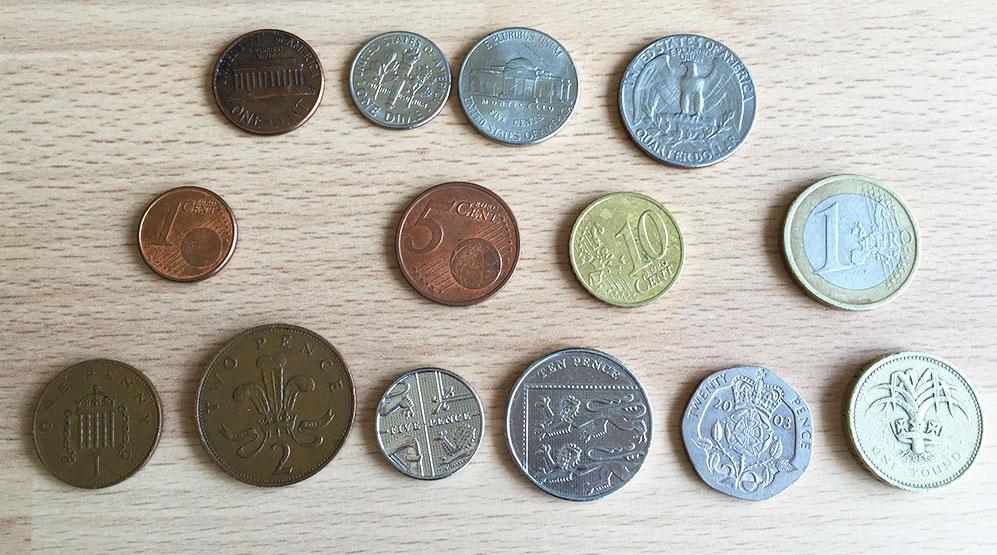
    Coins

    Why don’t people realise the futility of situations? Why does nobody do the basic arithmetic to see that a situation is hopeless? Why can nobody see their hopes and dreams slipping away?

    I was watching a documentary recently about people who are working but still struggling to make ends meet. I cannot claim that I myself am in that situation, but that’s because I work doing something which is thoroughly incompatible with my mental health, which very few people could stand to do. There are not long queues of people wanting to do what I do, because it’s awful, but it is very well paid. So, I’m not struggling while I’m working – doing something I hate – but I wanted to write about the reality of existence, for those who want to do something which doesn’t make them unhappy and unwell.

    Unfortunately, compromises have to be made.

    If you want to be an artist, a photographer, a travel blogger, a social media person or do some other unnecessary BS job, or to generally d1ck around in academia, not really producing anything useful, then you will have a fulfilling time at work but you’re not going to be very well paid.

    It seems as if there are a whole heap of other jobs out there which are also not very well paid. Pretty much whatever you do, you will be paid badly, unless you’re involved in something unethical, like banking, insurance, accounting, drug dealing, human trafficking, slavery, prostitution, racketeering, extortion, fraud and other forms of profiteering from human misery, such as being a landlord or other leech/parasite.

    If you want to buy a house and escape some of the coercion which forces us into dreadful jobs – lining the pockets of the capitalists – then you first have to go and get a dreadful job and work hard for many years, doing something unethical and unpleasant, making yourself sick. There is no way to both do something you love AND escape the clutches of capitalism.

    On the aforementioned documentary were some folks approaching retirement age who were living in rented accommodation and had no pension to speak of. This was as a direct consequence of choosing to enjoy their lives and not sell their souls, to work doing dreadful bullshit jobs. Upon reaching retirement age, there was one gentleman who was having to drive an Uber for many many hours a week, simply to pay rent and bills. There was literally no hope of these people ever escaping old age poverty, especially when health problems eventually left them unable to work.

    Unfortunately, only people with rich parents get to d1ck around studying something interesting and then finding a job in a related field, or being eternal students, mucking about in the safe and secure world of academia reserved for spoiled brats. Unfortunately, unless you’ve got family wealth behind you, you’ll have to get a sh1tty job and even then, it won’t get you anywhere unless it’s really sh1tty.

    What do we really want? We’d like to retire early. We’d like to retire with a decent income. We’d like to have a good standard of living up until the point we retire.

    We do we really get? Paying rent and bills which eat up all our incomes, no holidays and no hope of ever buying a house, followed by no hope of ever retiring. All we have to look forward to is watching climate change wreck the Earth, while the world descends into anarchy and chaos because there isn’t enough money to pay pensions or look after the vast number of old people who want to receive greater benefits than their contribution. The demographic bulge will sink our civilisation, as gazillions of baby boomers all demand an amazing standard of idle luxury living which they don’t deserve.

    We are time poor and cash poor, with no hope of hard work ever paying off – our hopes of owning property and having a valuable pension fund are ludicrous, even if we slave away to the age of 70 or more.

    The only hope is to suffer the misery of dreadful miserable jobs for horrible unethical companies, doing horrible unethical things. The only way that the numbers add up is if we work for banks and suchlike, destroying the global economy and destroying the environment in the name of greedy profit. However, is this really a good approach when it means that there’ll be no planet left to enjoy by the time we retire?

    Who has the time to stop and think about such things?

    There was a quote from that documentary which I thought was apt:

    “The only way I am able to cope with the future is by not thinking about it. If I thought about it I would just give up”

    Pretty gloomy and negative, but also pretty positive of that person to avoid thinking about stuff, so that they didn’t give up. Why not give up? Why not grasp the nettle? Why not face the unpalatable truth: that all our efforts are doomed. Why bother working so damn hard when it’s not going to result in being able to feel secure in your home and secure in your old age?

    It strikes me that we live lives of incredible desperation and anxiety, where we work incredibly hard, commute horrible distances, pay vast amounts of our hard-earned cash in rent and bills and generally fail to get anywhere; we struggle for nothing. Why bother?

    I read something else that said the only people who get to read many books are prisoners. Who else has the time?

    It’s a dismal situation to be in; this present time. You can do anything you want, so long as it involves spreadsheets for some multinational corporation which is intent on destroying the planet, extracting every last drop of sweat from their stressed-out workforce and leaving them stressed, anxious and depressed, before dumping their used husks in a great pile of spent human bodies, like trash.

    I am saving up my money in order to have a nervous breakdown.


    Tags:

  • Hard to Count

    This is a story about beans…

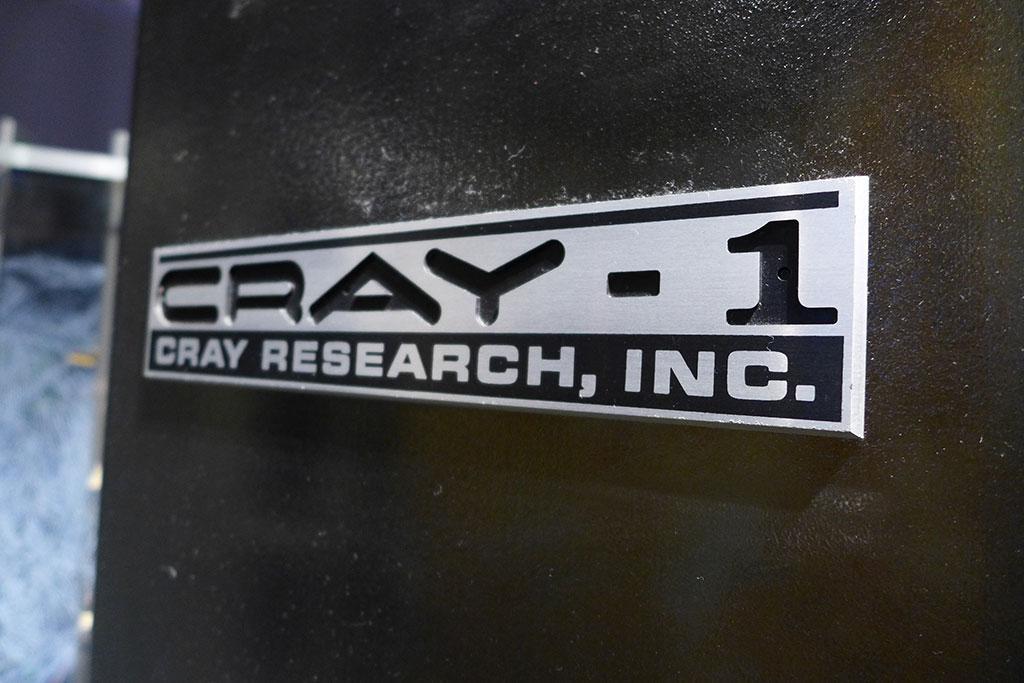
    Cray

    IT projects routinely go over budget and fail to meet their deadlines. IT projects routinely fail spectacularly. The worst projects of all are government IT projects, which very often get cancelled, having failed to deliver any value at all.

    Anyway, on an unrelated matter…

    IT projects that I work on are a bit different. I like to deliver things; I don’t just want to work and not worry about whether anything useful is getting done; I’m not happy to let projects fail. It’d be easy to get carried away with my own ego and delusions of grandeur, but I make a difference to whatever organisation I work for, on whatever projects I work on.

    Sometimes I get the sense that I’ve over-estimated the value of my contribution. Sometimes I feel like maybe I’m the tiniest of tiny cogs, and my contribution is negligible. Perhaps it’s a co-incidence that I can get big complex IT projects over the line, when more usually they waste a heap of money and then fail. Perhaps I’m getting carried away with mania, which is deluding me into thinking that I do anything useful at all.

    A colleague of mine repeatedly says that it’s easy to create a great piece of complex software if you’re the only person who designs and builds it, but I think he’s wrong. Sure, I really don’t think it’s a good idea to have 100 people working on a piece of software that could – and should – be written by just one person, however, a lot more can be achieved by a small high-performing team than a single individual.

    A commonly recurring theme with my bipolar disorder has been episodes of irritability, impatience and general intolerance for asshats in the workplace. Quite regularly, when tight deadlines loom and I’m feeling exhausted, my desire to work with “dead wood” people who make things worse, not better, reaches its limit and I really want the ‘team’ members who are slowing everything down to butt out, back off, step back and watch the professionals at work.

    What about this ‘team’ stuff then? Am I even a team player?

    I refer you back to what I said about small high-performing teams. In order for a project to deliver a high quality end product on or before the deadline, it’s often necessary to have fewer people, not more. It’s the bane of my life, having dead wood in the team. I’m absolutely a team player… I just don’t want the dead wood around the place, messing things up and slowing everything down.

    I should qualify: I’m fine with team members who are there to listen and learn; I’m fine with people who are developing their skills; I’m fine with people who are quite junior and in the early stages of their career. If you’ve been doing software development for decades and you’re rubbish at it, then no, I really don’t want you in my team. One thing that particularly irks me is very highly paid consultants who are rubbish at software development. If you’re slow and dreadful at your job, despite being massively overpaid, stay the f**k out of my way and don’t slow my projects down.

    Is it so hard to hire good people? Is it so hard to identify the underperformers, especially when their output is out of alignment with their remuneration? Surely it’s a simple cost:benefit analysis, where some individuals are nowhere near worth the money, and in my opinion are actively damaging to both projects and morale.

    I wonder how much better things would be in the workplace if highly paid consultants who aren’t worth the money were booted out, and the projects were delivered by underpaid graduates who are little superstars, producing huge amounts for very little cost. Actually, I know the answer because I’ve worked on those teams – with the right guidance, the graduates will deliver every single time.

    The lack of meritocracy and the ageism in the working world is particularly galling in the IT industry, where archaic knowledge and experience has zero value. Perhaps my young graduate colleagues might benefit from a little senior leadership and a good architect, but whatever mistakes they might make are irrelevant because they’re so damn quick. It’s criminal that an overpaid and underperforming consultant might earn 5 or 6 times more than a bright and productive quick-witted graduate; graduates proven to be 5 times more productive.

    Why do I learn so much from my graduate colleagues, but so little from overpaid consultants? I have learned lots of quicker, more efficient and more modern ways of doing things, when my older colleagues are just doing the same dumb s**t that they’ve done for years. Sure, it’s been uncomfortable to have to re-learn vast swathes of stuff, but the benefits are obvious, having bitten the bullet and decided to take my younger colleagues seriously; to treat them with the respect they deserve.

    What about respect in general for my colleagues? I respect my colleagues who have decided to take permanent jobs and be underpaid. I respect my colleagues who’ve chosen to avoid the cut-throat and stressful world of the job market, and instead opt for long careers with a single organisation. I respect that there are different life choices and needs, that some people need job security, and that very few of us had the opportunity to learn IT skills as a child, to the point of those skills becoming innate and instinctive. I respect that it’s a very good idea to hire highly paid consultants, in order to upskill your permanent members of staff. It’s part of my job, to train, coach and mentor my colleagues who are permanent employees of the organisations I work for. It’s part of my job to be patient with the permanent staff members and to help them reach their full potential.

    I spend a lot of time worrying about whether I’m just telling people what to do, and whether I should take a more pre-considered approach where I allow my colleagues to think for themselves, rather than just being typists while I dicate instructions. Is there any value in me instructing somebody to do something I could do myself in a fraction of the time? Should I just race ahead, and then spend time explaining what I did and why, once the deadline is safely dealt with? Would it be better to simply let my colleagues watch me work? I know that it’s very hard to think for yourself if somebody is telling you what to do, and that if I was doing people management I would avoid any micromangement like the plague, because it discourages independent thought, learning and initiative-taking. I know that the kind of people I want to work with are ones who can work independently and solve problems for themselves, but I work in an unusual situation where there are tight deadlines, but I’m also expected to train my colleagues to be self-sufficient to some extent, which is impossible in the timescales.

    Explaining to management that more people does not equate to more productivity, and that the deadlines are not realistic to be able to get all the work done AND do all the training and handover that’s necessary to make me completely redundant, is an impossible task. I’m eternally plagued by the mistaken notion that one day, there won’t be any more need for IT professionals because all the IT work will be finished and the IT people will all be redundant – this has proven to be the most ridiculous nonsense, but an enduring fantasy of f**wits in every organisation.

    I should qualify that I really like my colleagues, although I’m a bit frustrated with one or two very highly paid consultants who aren’t worth the money. I should qualify that I really like the organisation I’m currently working for. I should qualify that I really like the project. It’s all interesting and people are nice and even the management are pretty good, which is rare. There’s not much pressure and the deadlines are not realistic, but they’re achievable, which is usually a miracle for an IT project, especially in the sector I’m working in. I have no real complaints or criticisms of any colleagues or the organisation and its management team, not that this would be the place to air those grievances, of course.

    I write a little tongue-in-cheek, because I know that colleagues from two different parts of the UK are reading this from time to time, and I wonder what they will think if they happen to read this particular post. I cringe of course at my arrogance and my delusions of grandeur, but I also struggle to know whether I’m making a significant contribution, or whether I’m just a tiny insignificant cog in an incomprehensibly huge machine, so I’m prepared to poke the bear a little.


    Tags:

  • I’m [Not] OK

    This is a story about keeping people updated…

    Invert

    It’s been nearly 2 weeks since I wrote last. I know I’ve had gaps but this feels like a really long one. Gaps are usually a very bad sign. It’s worth worrying about me if I’m not writing. Things are probably going badly if I’m not writing.

    I was coping by using a combination of alcohol, sleeping pills, tranquillisers/sedatives and a heck of a lot of comfort eating. I’ve been teetotal and medication-free for a while now. I’m dieting too. I’m slimmer but I feel awful. Stopping taking all the pills has been brutal. Not having anything to ‘take the edge off’ has been horrible. The anxiety has been unbearable.

    Some concerned friends have sent me messages, but I’ve felt too swamped to reply. Work is exhausting and there has been the looming holiday, which has caused added stress rather than being something to look forward to: How am I going to afford the loss of earnings as well as the expense of the holiday? My work situation is looking very uncertain for when I get back from holiday, which is a horrible situation to be in, worrying about money instead of enjoying some well-earned time off.

    My relationship is good but it’s caused some sleepless nights. I’m desperately trying to avoid worsening my exhaustion and sleep deficit, but it’s almost impossible to catch up. Stopping the sleeping pills has caused my sleep quality to deteriorate. It’s a miracle that I’m still reasonably productive and functional.

    The last thing I want to think about is the travel and logistics of going abroad. Buying holiday clothes sounds like fun, but it’s another item on a todo list which makes me very stressed out. I’m struggling to figure out when I can fit in all the things I need to do between now and my departure date from the UK. I suppose as long as I’ve got my passport and a buttload of cash then I can figure things out, but it’s not pleasant to be so ill-prepared for a trip.

    I’ll be 40 years old in exactly one week. I decided to have a barbecue at my house when I was feeling somewhat more buoyant about the way my life was going. Now I feel like cancelling the gathering, because I’m stressed about the extra unnecessary hassle. Having guests over to my house reminds me that I’ve still barely moved in – I don’t have much furniture and the place is a bit of a mess. I don’t feel well placed to make my guests comfortable. I have a lot of anxiety about it being a really awkward occasion, with a handful of my long-suffering friends having made the long journey to the provinces, in order to make smalltalk with strangers… a real chore for them.

    I’m working as hard as I can in order to feel proud about my contribution to the project I’m working on. I’m desperate that my contribution be remembered as something valuable and that my colleagues recognise the effort I’ve ploughed in. Work’s become a bit of an unhealthy obsession and I’m significantly over-invested, emotionally. I can picture myself getting very depressed when I’m forced to leave the project because of contractual shenanigans, and through no fault of my own.

    My life is deeply unbalanced; unhealthy. I’m not drinking alcohol and I’m dieting, so I’ve lost weight, and I’ve managed to get a bit of sun, so I look quite healthy, but inside I’m very sick. The stress of the past years seems to have ratcheted up as my life has become more ‘normal’ and ‘stable’ recently – things were easier when I was living out of a suitcase, in some ways, although I appreciate that I was very miserable and living much more unhealthily.

    Readers who’ve followed me for any significant length of time will probably have a better idea than me as to whether I’m in a better place today than I was a few months ago, a year ago, several years ago. Things feel terrible but they probably aren’t.

    The stresses seem to be the same as ever, particularly concerning my security vetting. A colleague contacted me to say they were reading my blog. They seemed enthusiastic about the prospect of working with me, despite what they’d read, and the feedback seemed generally positive. It’s the first time that a colleague has been brave enough to tell me that they’ve been reading my blog. Of course, the security vetting people have been reading too. I wonder if the security vetting people are as sympathetic to my stresses, and look favourably upon my ability to maintain an impeccably high standard of professionalism in the office, whilst undergoing some horrendous chaos in my personal life; struggling so much with my mental health. I wonder if all the talk about being sympathetic towards mental health issues is just hot air.

    I wanted to write a short update, because I know people are worried about my uncharacteristic quietness. I’ve kinda failed. I’m doing OK, but I’m also really struggling too. Plenty of reasons to be concerned, but things are not completely ruined and on collision course with disaster… in fact I might even weather this storm and emerge in a reasonably good situation.

    I’ll try to write a little more regularly, but I don’t want to be a stuck record, endlessly moaning about how unpleasant the effect of stopping medication is. I don’t want to wallow in misery.

    It’s summer. I have money. I have employment for a little while longer. I have an awesome holiday booked. I have a very nice girlfriend. I have a cute kitten. I have a big house. Things are not terrible.

    I’m not taking any medication, not drinking, dieting. I’m losing weight and my brain is getting back to a stable state without any alien chemicals. It’s good to be free from the shackles of chemical dependency.

    If I can push through this tricky period and keep the wheels turning, then I think my forties are going to be a much better period of life than parts of my thirties. It does feel good to be turning a corner as I reach an age when I should be growing old less disgracefully.

    I’ve written more than I wanted to but I hope you’ll forgive me. You’re all up to date now.


    Tags:

  • Straight

    This is a story about bad character…

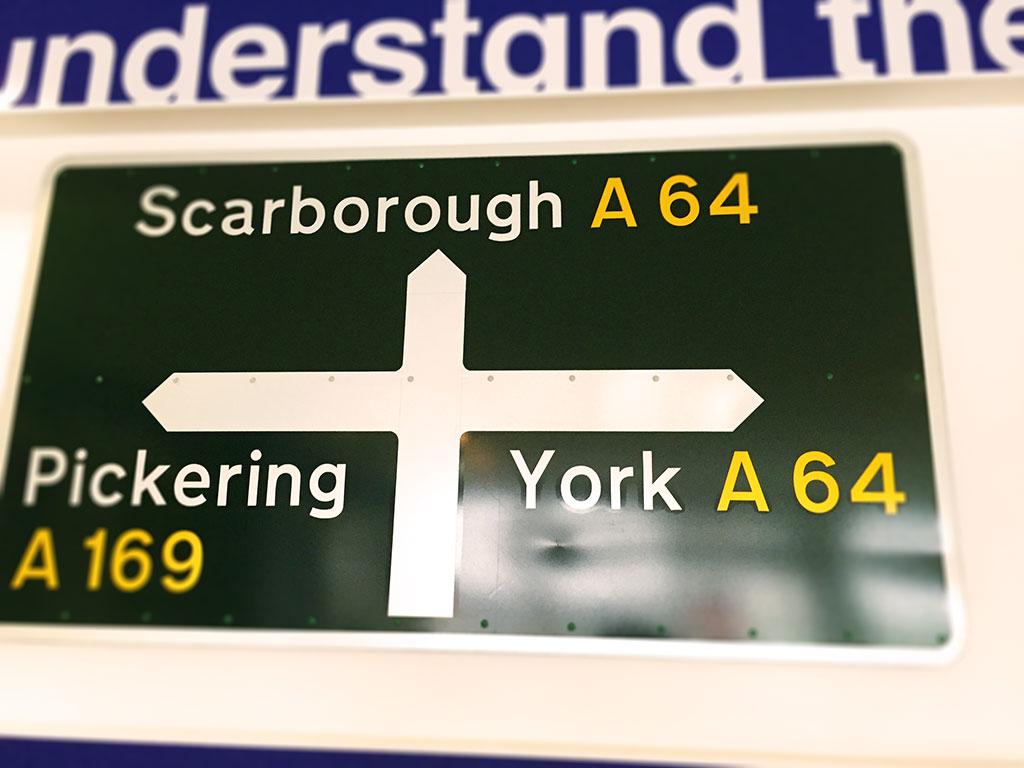
    Road sign

    I have been thinking about changing my tagline from “the world’s longest suicide note” to simply “Nick Grant – drug addict”. The reason for doing that would be exactly the same as writing and publishing 1.2 million words which very publicly document every facet of my flawed character. The idea is to thumb my nose at the notion of having a ‘perfect’ CV with no gaps on it; to ridicule the concept of living a blemish-free existence of civil obedience; to write down all the things that we would normally brush under the carpet and pretend never existed.

    We have become incredibly paranoid about our so-called reputations, when demonstrably the world is such a big overcrowded place that nobody is really paying very close attention. You can squat on your boss’ desk, curl out a gigantic turd onto his or her keyboard, wipe your ass with your resignation letter before casually tossing it onto the floor, pull up your trousers and walk out of your workplace, and I promise you that your precious reputation will not be soiled, unlike the aforementioned keyboard.

    Perversely, I wrote a very long suicide note – the world’s longest – as insurance in case I did kill myself, but also as a therapeutic process as I tried to talk myself down from the ledge. The same is true of “Nick Grant – drug addict” – I would never label myself as such except in pre-emption of those who would like to find a convenient pigeon hole to put me in.

    Because the words “drug addict” have such negative connotations I would never be so bold as to label myself as such if I was a drug addict. I choose this emotive label for myself because I feel confident that I’m the living embodiment of the antithesis of what we imagine a drug addict to be. I choose this pejorative term deliberately because it makes a mockery of anybody who attempts to sum me up in two words or fewer – I’ve written 1.2 million and do not yet feel satisfied that I’ve written enough to capture my essence on paper.

    Analytic data tells me that colleagues have found me via Google and have read a little about me. I am undergoing security vetting and I know that this website has been viewed by people who are partly responsible for the information gathering, which will ultimately result in the decision to approve or deny my security clearance. These people scratch the surface. These people come looking for easy answers; a convenient couple of words to sum me up. Why not give them those words? I say that those words should be: drug addict.

    My achievements in my career are beyond reproach. My contribution in the workplace has proven to be exceptional on countless occasions. Records also show that I’ve never been charged with a crime, convicted of a crime, declared bankrupt or otherwise fallen afoul of the courts of law. One might say that I’m a model citizen.

    Why would a model citizen write 1.2 million unflattering words about themselves? Why would a model citizen risk their reputation, by way of candid public declaration of their faults and mistakes?

    I’m completely fed up with the way that society is constructed: the way that we are continually looking for faults and reasons to reject people. I find it quite tiresome and bothersome that so many so-called gatekeepers exist, whose purpose only seems to be to pointlessly thwart, frustrate and annoy. Would I care if our nuclear weapons were guarded by violent criminals or our banks lent our savings to reckless bankrupts? The question is a non-sequitur, because it pre-supposes that the gatekeepers are being successful; it presumes that the systems are working and society is functioning effectively – it is not.

    Technocrats have forever dreamt of being able to capture enough statistical data on every individual that behaviour can be predicted and the future can be known. There is a widespread belief that something as brief as a curriculum vitæ can tell you everything you need to know about a person’s value. With credit checks, criminal record checks and other searches of vast databases, we presume that we can know a person’s character, and deny them access to mortgages, loans, rented accommodation, mobile phone contracts, jobs and myriad other things we might consider to be essential parts of life. We presume that school attendance records, exam grades and university diplomas are “good predictors” of future success, and I would agree, except that it’s straightforward to see that conventional success is only available to those who look good on paper – correlation does not equate to causation.

    Our 19th century education system was designed to destroy free will, independent thought and break children’s spirit, to prepare them for a life of manual labour, toiling in the mills and factories. Our ubiquitous snobby worship of “A” grades and first-class honours from Oxbridge does not acknowledge that 99.9% of our citizens will reach their mid-teens feeling like a failure, which is entirely the point. “If only I’d paid attention at school” we are supposed to tell ourselves, for our whole lives, accepting of our abysmally awful place in society.

    I write this document because I hate the destructive force that the pressure of academic and career achievement is placing on society, to the detriment of our mental health. I think it is grotesquely unhealthy to live in a permanent state of anxiety, believing that a single slip-up – a bad exam grade or a gap on our CV – could ruin our entire future.

    I loathe those who seek to reject. For those who seek a reason to reject me, please have one: drug addict. There you go. Please take those two words and f**k off. Leave me alone. I’m too busy trying to stay alive to be swamped with anxiety about lazy, simplistic, crude attempts to pigeon hole me and toss me away like a piece of trash. If you came looking for some dirt I’ll save you the digging and send you away with a handy soundbite; a convenient label.

    It pleases me that my 22-year career contradicts the label which could easily consign me to the dustbin. It pleases me that hundreds of colleagues from the past two decades would bear witness to my manyfold valuable contributions. It pleases me to send you away with two words – drug addict – which conjure up in the mind a character so different from the one who has spent 40 hours a week working very hard, and achieving a great deal.

    In summary, Nick Grant: drug addict.


    Tags:

  • Gas Leak

    This is a story about todo lists…

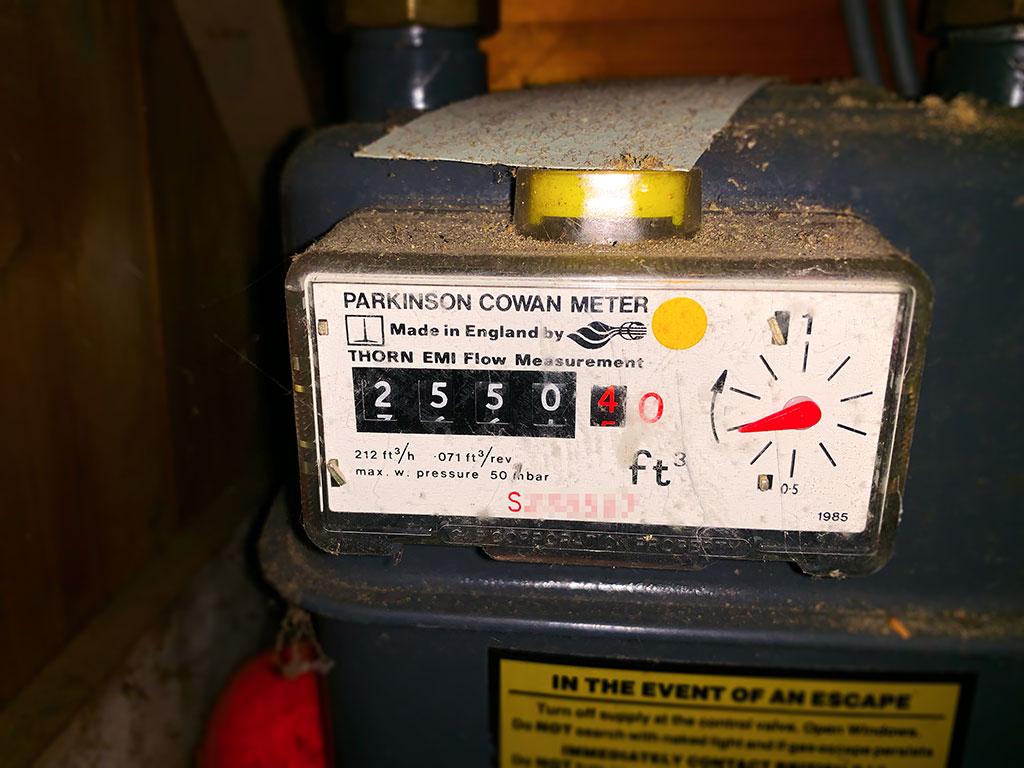
    Gas meter

    My list of simple mundane and relatively easily-achieved tasks seems to keep growing, despite the frenetic pace with which I am doing things. Most of my energy is ploughed into the project I’m involved with at work, which is reaching a critical juncture, but there are also other deadlines bearing down on me.

    My car’s roadworthiness test must be completed within the next fortnight. I had few problems with the car last year, but it’s getting very old so I am not expecting to be so lucky this year. Certainly, there is a wheel bearing which needs replacing and the dashboard tells me that it’s 5,000 miles overdue for a service. I would be very surprised if it did not cost me several hundred pounds and leave me without my car for a few days. The timing is not good, because I really need to be in the office every single day of the working week at the moment.

    It might sound silly, but my hair needs to be cut twice in the next month. My hair is well overdue being cut – especially in the warm summer weather – but I will also want to get my hair cut again soon before going away on holiday. I’m planning on spending quite a lot of time in the sun, so it makes sense to have my hair cut short before going abroad, otherwise my skin will be pale under my mop of hair.

    For a whole week of the holiday, I will be expected to wear quite smart clothes – a collar and trousers with some smart shoes – instead of the casual beachwear which is my usual attire when on holiday. I like to spend my entire holidays wearing a T-shirt, board-shorts and a pair of flip-flops, but the resort where I’ll be staying insists on outfits more befitting of a golf clubhouse or country club. I usually stay in laid-back surfer crash-pads, and I’m not a member of a golf club or a country club, so my wardrobe lacks chinos, polo shirts and other clothing items which are de rigueur in the kinds of places where rich old men hang out, flaunting their wealth. Therefore, I need to go shopping, to buy a whole bunch of clothes which I only really need because of the dress code at the holiday resort where I’m staying for a week.

    My clothing situation is generally pretty bad. I only have one pair of jeans which are not completely worn out, and wearing board-shorts to work would be unprofessional. I wear a smart dress shirt every day along with a fine-gauge knitwear V-neck jumper – it’s a kind of uniform for me. However, the weather is improving and the office has no air-conditioning, so I would like to have a lighter pair of trousers to wear and some other shirts, which will look smart and professional without a jumper. My summer shoes are falling to pieces. Some of my colleagues wear sandals, but I’ve never seen any colleagues wearing flip-flops and I think it would be unprofessional of me to do so.

    In order to pay for the most ludicrously expensive and over-the-top ridiculously luxurious holiday I’ve ever had in my life, I will have to do some quite clever accounting: juggling money around the place, so that my cashflow is not impacted. There are lots of parts of the holiday with a balance to pay, and I need to be careful to make sure that I don’t use up more than 50% of the credit limit on any of my credit cards, which would adversely affect my credit rating.

    My credit rating is super important right now, because I’m undergoing security vetting which is an incredibly invasive and exhaustive examination of every aspect of my life, including my credit history. It’s important that I manage my money well so that part of the vetting process proceeds in an unproblematic fashion.

    Spending 17 nights away from home and skipping 12 working days poses a big problem for the project I’m working on. The timing is less-than-perfect, putting it mildly. I need to take a holiday – I’m exhausted – but I also need to ensure some very important milestones are not jeopardised, plus my job is under threat and the loss of income is a source of stress. I will not be returning from holiday feeling relaxed, because I will need to secure myself a new contract as quickly as possible.

    My todo list also includes difficult things, such as tapering off medications which I no longer want to be dependent on. There’s relentless pressure on me to keep cutting my dosages, so that I’m medication-free by the time my holiday starts.

    I need to get ready for a barbecue I’m planning on throwing to celebrate my 40th birthday. This requires the purchase of an actual barbecue, plus charcoal and all the food, of course. Further, I will probably have to make sure I have adequate beds and bedding for any guests who are staying over. I have plenty of time to prepare, but it’s another deadline that is looming.

    My kitesurfing equipment really needs some TLC before I go away on holiday and I need to purchase her a kitesurfing harness for my girlfriend if I’m going to teach her how to kitesurf while we’re on holiday. Some of my kitesurfing equipment is more than a decade old and likely to break, unless I replace the worn-out parts. Having an equipment failure in a remote part of the world is likely to be expensive and/or cause me to lose valuable time on the ocean.

    None of this is beyond the wit of man, but it’s very hard to take care of all these odds and sods when I’m extremely time poor and quite exhausted by my very demanding job. I suppose things will happen at the last minute and everything will be alright, but I also anticipate that the next two months will drain every bit of energy I possess. I suppose there will be the occasional moment – on holiday – when there is nothing pressing in the complex itinerary: a flight to catch, a long drive, or indeed a smart outfit to be donned in order to simply grab a bite to eat.

    These are almost all first-world problems, and indeed wealthy middle-class problems. I know that many British people on low incomes will struggle to get their decrepit old cars through their roadworthiness tests, but at least I have the financial means to pay for any unexpectedly high garage bills, although at some point it’s not economical to spend hundreds of pounds on a car which is worth less than my smartphone, and I would be better off buying a new car, which at least I am fortunate enough to be able to do… although I would question whether it’s a smart move getting a new car when my future employment is uncertain.

    As you can see… I’ve got quite a lot going on at the moment, and not enough hours in the day.


    Tags:

  • Beach Body

    This is a story about going on a diet…

    Flip flops

    571 days ago I decided that I was allowed to drink heavily and eat whatever I wanted. I had at least a bottle of wine every day and ate mostly fast food. I decided that this was my reward for working virtually non-stop: to guzzle gallons of alcohol and devour mountains of fatty food. My evenings were spent in McDonalds, KFC, curry houses and pizza places. My evenings were spent drinking glass after glass of red wine.

    Unsurprisingly, I put on weight.

    I was living in a hotel for a while, which was next door to a gastropub. I lived on calorific food, like lasagne & chips, washed down with large glasses of red wine. When I got back to my hotel room, I would continue drinking large glasses of wine. I decided that it was my reward for the miserable life of living in a hotel, to eat and drink with gay abandon.

    I put on more weight.

    Then, I noticed that I was putting on weight. I noticed that I had a tummy. I got out of the shower one day and I saw my own reflection in the mirror, and I realised that I had gained a belly. I’ve never really had any problems with my weight, so I was kinda shocked, although by this point I had been gaining weight steadily for roughly 9 months.

    I didn’t change my behaviour.

    I did stop living in the hotel. However, I lived on takeaways and beer. I had a takeaway almost every night of the week, and I washed all that fatty food down with vast quantities of beer. I was going to the supermarket on an almost daily basis to re-stock the fridge with beer.

    Then I stopped drinking.

    My alcoholic friend killed himself. He drank himself to death. His alcoholism had raged out of control for a long time and hadn’t claimed his life, but health complications quickly began to create a compounding problem and he knew that he was going to die; his quality of life was rapidly deteriorating. This event, coupled with my unhappiness about being a little overweight, was enough of a catalyst for me to quit drinking.

    I was teetotal for nearly 5 months.

    Then, I started drinking heavily, eating restaurant food and having takeaways on a regular basis. I drank loads of white wine and ate lots of very rich gourmet food. I had lost some weight by simply being teetotal. I had reached a point where my weight was under control and I felt better about my appearance, but then I quickly undid that by drinking and eating so much.

    Now, I’m trying to lose weight again.

    I’m not trying very hard to lose weight. All I’ve done is cut my daily calorie intake. I’ve stopped drinking – mostly – and I’ve stopped having takeaways and restaurant food – mostly – and I’ve stopped having large lunches. I’ve stopped eating breakfast. I’ve stopped snacking. On average, my weekly calorie intake has been cut pretty drastically.

    I still don’t do any exercise.

    I joined a gym at one point, but I never actually went. The circumstances of my job changed and I found myself living in the hotel. It was hard to motivate myself to go to the gym when I had the miserable existence of living in a hotel. The highlight of my evening was my gastropub meal and red wine, so I can’t imagine that there’d have been much point going to the gym.

    I should do some exercise.

    I’m making some very big changes to my medication at the moment. I’m tapering off high doses of tranquilisers and sleeping pills, in order to be medication-free by the time I go away on holiday, the day before my 40th birthday. I have less than a month to rid myself of physically addictive benzodiazepines and highly psychologically addictive sleeping pills. I have a horrible month ahead of me, filled with rebound anxiety and rebound insomnia. It’s not easy to stop taking medication and it’s extremely unpleasant to rapidly stop. Going cold turkey is not even an option – I could have seizures.

    I’m making good progress.

    Apart from last night, where I got extremely drunk and ate a gigantic burger and chips, Friday night where I drank two bottles of white wine, and Monday evening when I had a takeaway, I’ve not been drinking, eating takeaways or eating in restaurants. I’ve also managed to reduce my sleeping pills by 33% and my tranquilisers by 50%. I’m changing a lot of things all at once. It’s very difficult to change so many things all at once, especially while I’m going through a very stressful high-pressure period at work, with some very demanding tight deadlines.

    It’d be wonderful if I was superhuman and I could work full-time, have very little sleep, write every day, look after my kitten, keep my house clean, quit drinking, go on a diet, stop taking addictive medication AND do some exercise, but I’m afraid that it’s too much to ask – the exercise will have to wait until life gets a little easier.

    I know that I’ll get more enjoyment out of my holiday if I’m fitter and in better shape, but the holiday is the respite I desperately need; the rest and recuperation; the reward for 571 days of almost continuous work, with the exception of a week-long jaunt to Turkey and two weeks in Mexico. My last holiday was nearly 7 months ago, and I’ve been through a house move and a breakup, as well as working exceptionally hard.

    The beach body will have to wait, although my small lifestyle adjustments will help. The weight isn’t just going to magically disappear, but I shall have to content myself with stopping the rot – I simply haven’t got the bandwidth to be able to exercise on top of everything else on my plate.


    Tags:

  • Intellectual Hunger

    This is a story about brain training…

    Hotel food

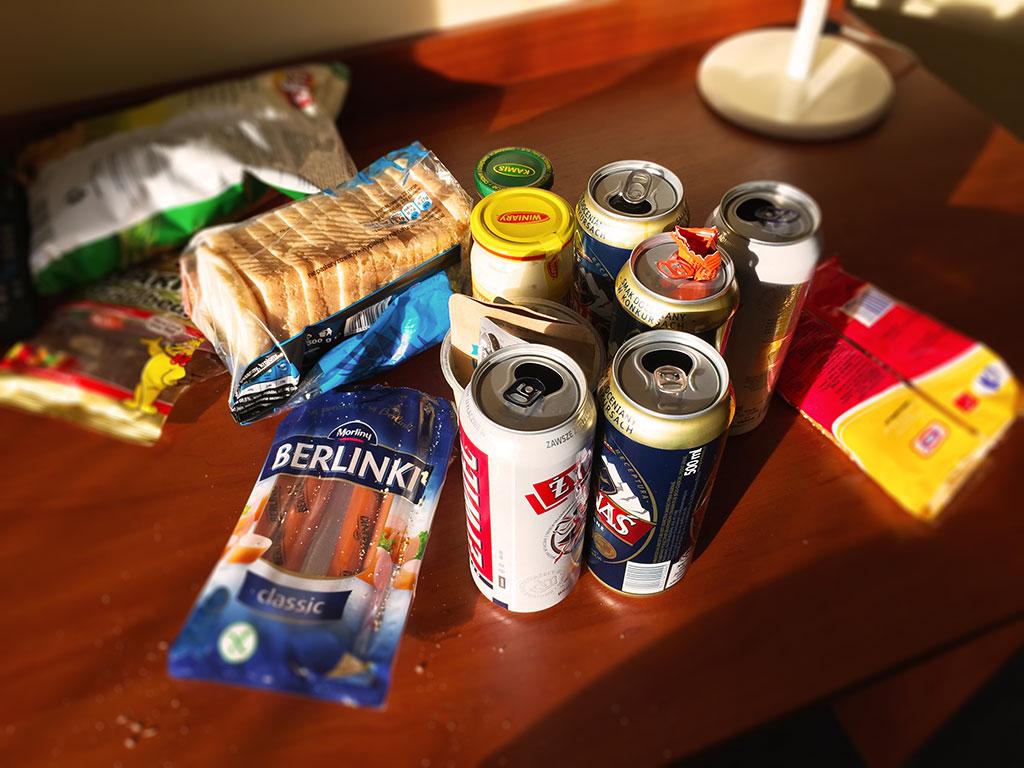
    I spent a week living in a Warsaw hotel, making sandwiches in my room, using a shoe-horn to spread mayonnaise and mustard on the long-life bread bought from a nearby convenience store which mainly sold alcohol and snacks. This would hardly be a great example of ingenuity – a sign of a brilliant mind at work – but it certainly addresses the first part of this short essay: hunger.

    Hunger is not just about food, so I thought I would get the food part out of the way at the beginning.

    We can be hungry for sex, love, companionship, social contact. We can be hungry for thrills; adrenalin. We can be hungry for substances of abuse, including alcohol, tobacco and caffeine. There are all kinds of hunger, not all of which can be satiated with food, although we can often try to use food to fill the gaping void inside ourselves. Comfort eating is something I find myself doing when tired, bored or otherwise hungry for something other than food.

    I wanted to write about intellectual hunger.

    There are some questions which don’t require much brain-power to answer, such as: how am I going to feed myself cheaply for a week in a hotel that’s nowhere near anything except a couple of shops which mainly sell alcohol? The answer to this question is not one requiring intellect, but instead the answer simply requires lowered standards and the willingness to suffer a little.

    Another question might be: how am I going to increase my standard of living as much as possible, as quickly as possible?

    Again, this second question is quite easy to answer and requires very little thought or effort of the mind. The answer to the question simply requires more lowering of standards and willingness to suffer. Ultimately, one can always sell a kidney or make bodily orifices available for sexual gratification of paying punters. Problems of this nature are not taxing or interesting, in an intellectual way.

    With too much of life occupied answering trivial questions and doing the unpleasant obvious things – prostituting yourself and living in vile conditions – we arrive at a far more interesting question: why bother?

    4 years ago it was obvious to me that I knew exactly what I needed to do, how I was going to do it and how long it was going to take, in order to restore myself to health, wealth and prosperity. The prospect of repeating tasks which had become so repulsively boring and easy to me, although somewhat stressful too, was doubly abhorrent because of the lack of novelty combined with the lack of intellectual challenge.

    I think in many ways it would have been much easier to accept a fate imposed upon me by circumstances, and abandon the pursuit of an outcome which was almost too far out of reach; almost too unbearable to suffer while en-route.

    When I say “easier” I mean intellectually nourishing.

    What right do I have to spend my days talking to interesting intelligent people? What right do I have to spend my days reading interesting books? What right do I have to explore ideas, have discussions and write down my thoughts? What right do I have to publish what I write? What right do I have to be allowed readers? Why should I be entitled to have any of those things?

    I suppose I accepted that a more interesting course through life was not available to the likes of me. Those who are fortunate enough to ask themselves “what kinds of things do I find interesting?” or “what would my perfect job be?” and to then use these answers to formulate a life which is compatible with capitalist society, are not in the same socioeconomic boat as me. This is not to say that I’m deprived and disadvantaged, but merely that I’m incredibly pragmatic and quite unwilling to risk a decline in my living standards, back to a time when I was sleeping rough and the most pressing question of each day was: where shall I sleep to stay dry and keep me safe from violence and robbery?

    So, my 4-year writing project began. I scratched my itch as best as I could with the facilities at my disposal. I have written and published as if I am one of those entitled brats who gets to spend their time choosing from an almost unlimited menu of very pleasant options, because their socioeconomic circumstances protect them from the peril of destitution.

    I’m still surprisingly far from ever being able to ask myself “what would I like to study?” or “what is my dream job?” but the vast majority of us will never be fortunate enough to be able to do anything other than suffer the coercion of capitalism, and to do unpleasant things in order to survive.

    It seems churlish to complain, given that I have certainly been able to feather the nest recently, and I do my complaining in far more pleasant surroundings than a bush in a park, sleeping rough.

    Although I’m time poor and nowhere near being financially comfortable enough to feel confident in risking any major alterations in my chosen life course, I am lucky enough to be emerging from an incredibly lengthy period of suffering, in order to shore up life’s practical considerations: housing etc.

    Theoretically, it’s now a matter of months until some very real and tangible results arrive as a result of a very sustained campaign, which has been excruciatingly boring and predictable, with very little freedom of choice.

    In conclusion, I appreciate that my situation is fast becoming an enviable one, and soon I will have the freedom to make choices which offer more intellectual nourishment, which has been so lacking during the 4 year period where I simply had to do whatever it took – to suffer – in order to preserve all future opportunities, and avoid any catastrophic life-changing disasters which would force me down another path.


    Tags:

  • Cake And Eat It

    This is a story about a completed jigsaw puzzle…
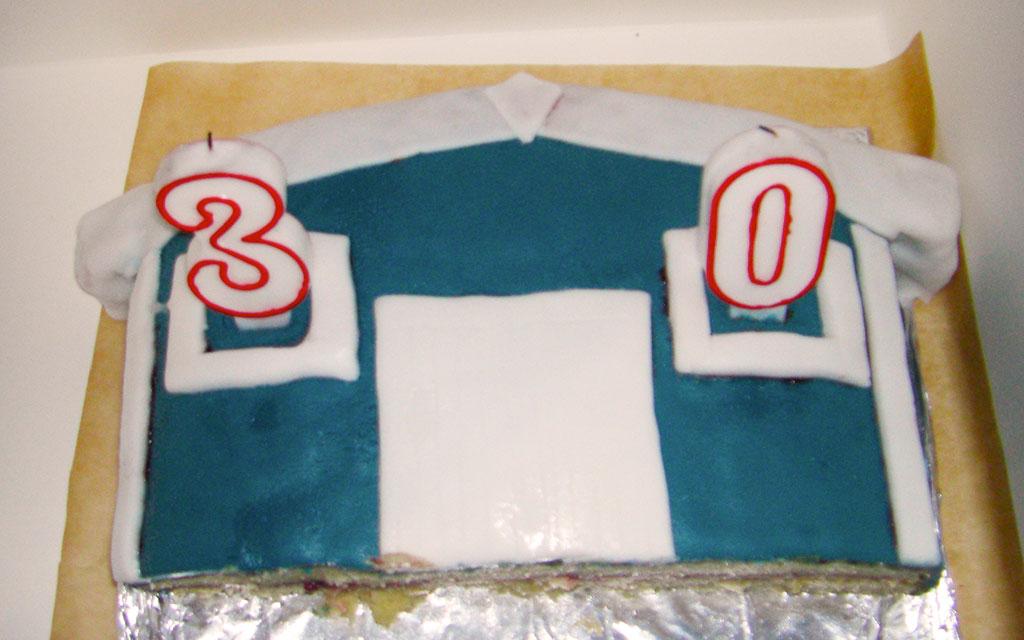
    Summer house cake

    When I was 28 I was so depressed that I couldn’t work. I couldn’t face the outside world. I couldn’t face the office 9 to 5 Monday to Friday routine. I couldn’t face the glacial pace that projects moved at. I couldn’t face the lack of productivity. I couldn’t face the wastefulness of large organisations. I couldn’t face the dead wood, being dragged along by those of us who wanted to actually create some f**king software.

    My behaviour became erratic. The symptoms my my mood disorder – bipolar – made me a dysfunctional individual for long enough to cause problems in an ordinary office type environment: mainly my lengthy absence due to to the aforementioned depression. Nobody had ever much cared about me being hypomanic in the office, because it allowed me to deliver very complicated projects on time, to a high standard of quality.

    I quit my job in 2008 and sat in my garden making iPhone Apps – mainly games. They sold very well and I was number one in the App Store charts for a brief time. Suddenly, I was earning a lot of royalties and I was comparatively wealthy.

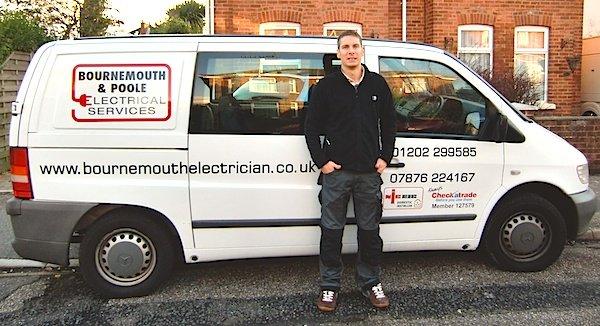
    I decided that I hated office work and corporate IT work – I hated big software projects – but that I should start a small business. I retrained as an electrician. I did all the training, bought a van and started trading.
    Electrician

    My electrician business traded profitably, but I kept getting asked to do freelance software work, which paid twice as much as my electrical work, and I was obviously much better at it, given that I’ve got 20+ years of commercial software experience and about 18+ months of commercial electrical experience. It’s a lot less stressful being a software consultant than it is being an electrician.

    I decided to combine my entrepreneurial side – the iPhone Apps and the small business – to create a startup which would have a software product which could be licensed, so that I could make money while I slept: it was a scalable business model.

    During all this erratic behaviour, I was making a ton of money, I designed a built a beautiful summer house in my garden, I had a wakeboarding boat, I threw lavish garden parties. I was having the time of my life, except I was in a very toxic, abusive relationship.

    I ended the relationship and my life continued to improve. In fact, my life kept on improving.

    Soon, I was enrolled on a prestigious startup accelerator program which takes 8,000 applicants for every place, and only offers 10 teams the chance to be mentored by senior executives from Google, Facebook, Microsoft, Amazon, Paypal and a bunch of other great tech companies, plus the opportunity to pitch on “demo day” to a packed auditorium full of venture capitalists and angel investors, and raise a huge amount of investment.

    My company was already profitable enough to pay my co-founder and I a decent salary and hire our first full-time employee. That was entirely bootstrapped: the company was built from nothing. My co-founder and I built a profitable startup without taking a single cent from any member of friends or family, or risking any of our own money.

    This was my cake and eat it moment.

    I worked too hard for too long. On the accelerator program mentor madness was fine for the teams who just had an idea, but my co-founder and I had a profitable business to run. We had customers who needed supporting. We had sales deals which needed to be closed. The rest of our cohort were happily burning the money they’d raised – making a loss – while our startup was living within its means and growing organically… in fact it was growing rapidly organically.

    The problem was that toxic, abusive relationship.

    She wasn’t kind. She wasn’t supportive. She didn’t want me to succeed. She was just plain mean and totally inflexible; uncompromising. It wasn’t fair, because I had supported her when she wanted to change career, and I had also been a very loyal loving boyfriend. Of course I could have split up with her and run off into the sunset with a lovely girl from the tech startup scene who could see the potential in me and the potential of my startup, but I let loyalty and a sense of “doing the right thing” get the better of me.

    Since then, there hasn’t been a lot of cake eating.

    Divorce became extremely acrimonious in 2013, after a harrowing period when the abuse and the trauma was sufficient to give me PTSD – I was barricaded in rooms and defecating in a bucket to avoid physical harm and at least give myself what little protection I could. Verbal abuse and violent kicking and punching of the door was so frequent it was literally torture. My abuser was keeping me trapped with threats of violence, and I starved, I was thirsty and I had to sh*t and piss in a bucket.

    Mercifully, we separated in August 2013.

    Trauma doesn’t heal overnight.

    The divorce dragged on into 2014, ruining my second startup and depriving me of all my liquid capital – my money – which I needed to start another business. The divorce ruined me every bit as much as the toxic relationship and abusive marriage did. The divorce left me so physically drained, traumatised, financially taken advantage of, exhausted and stressed, that I broke down completely. I ended up sleeping rough. I ended up homeless. I was wrecked.

    Briefly, at the end of 2014 I had a nice apartment in Swiss Cottage, a lovely commute on the Jubilee line to Canary Wharf and a well paid consultancy contract with Barclays. Was I having my cake and eating it? No. The divorce and the separation had caused me such horrible PTSD and financial distress that for almost that whole year I had been sleeping rough and in a homeless hostel. My life was very fragile; my recovery was only green shoots.

    In 2015 I had an amazing apartment overlooking the Thames with panoramic views of all the London landmarks. I had a great consultancy contract with HSBC. Was I having my cake and eating it? No. I was so distressed by the financial troubles I’d had that I worked unsustainable hours and got very sick, and had to be hospitalised. I had to be kept in a secure psychiatric ward for my own safety.

    In 2016 I had the same apartment. I had a great consultancy contract. I was less stressed about the erratic nature of my life and the financial boom and bust, but I certainly didn’t feel comfortable spending money.

    In 2017 I had the same apartment and a great consultancy contract with Lloyds Banking Group. A large blood clot – a deep-vein thrombosis (DVT) – formed in my leg and it caused the complication that my kidneys failed. I nearly died. I was sick for months with agonising nerve and muscle damage. Out of desperation I took a short contract in Manchester. It was so miserable that I tried to kill myself. I very nearly succeed – I was in a coma for 4 or 5 days in intensive care. I was sectioned and kept in a secure psychiatric ward for my own safety.

    By the end of 2017 and into 2018 I had recovered enough to be consulting for an investment bank in London. I was commuting from Wales and staying in crappy AirBnBs. I was well paid but it was the most miserable life. I was homeless, single and coming to terms with having survived a suicide attempt which should definitely have killed me.

    Then I got a consultancy contract in Wales. I had a nice girlfriend in Wales, I had a job in Wales and I had a very nice home in Wales with panoramic sea views. I was about to have my cake and eat it.

    Then, soon after booking a short holiday, my consultancy contract ended early because the project was finished – I worked very hard and delivered early.

    I got another consultancy contract in Wales. I still have that consultancy contract in Wales. I have a girlfriend who I think is amazing and I’m crazy about her. I have very serious feelings for her. I was about to have my cake and eat it.

    Now my consultancy contract is ending prematurely. I worked hard and managed to rescue a very important project which was running late. I was working very hard to deliver our project early.

    Clearly I work very hard. Clearly, I’m lucky enough to create these opportunties where I could have my cake and eat it but so far nothing’s worked out for me.

    It may well be possible for me to still have that amazing holiday we’ve got planned, but it will always be slightly spoiled by the stress of knowing that I don’t have secure income when I get home, which makes me worried about money.

    You can understand why I’m worried about money, can’t you?

    You can understand why it’s so terrible that my holidays get ruined by having my consultancy contracts unexpectedly cut short, especially when I work so hard and make such a big contribution.

    Of course, I could throw caution to the wind and take that luxury holiday anyway. If there’s one repeating theme in this story, it’s that I always bounce back from adversity. I could risk it all and go ahead with that holiday, which I desperately need and want.

    I’ve been lucky. I got to go to Turkish Disneyland on my own. I got to go to Tulum in Mexico. My luck ran out eventually I guess. I have a beautiful girlfriend who is kind and loving and supportive, I have a gorgeous bengal kitten, I have a very nice great big house. I have a little financial security, but paying for a luxury 2-week holiday has a major negative impact on my meagre financial resources, seen in the context of how bad things can get: months in hospital, sleeping rough and nearly dying on several occasions.

    Perhaps it’s just not my destiny to have my cake and eat it.


    Tags:

  • I Don’t Think You Realise How Tired I Am

    This is a story about working…

    Power nap

    I work hard for long periods of time – very hard – and then I need a holiday. I don’t mean sightseeing. I don’t mean wandering round crowded cities. I don’t mean rushing from place to place, catching planes, trains and automobiles. I don’t mean having a packed itinerary of non-stop horse-riding, hiking, learning how to make stuff, guided excursions to sites of historical and cultural interest. What I mean is a holiday.

    I work very hard and I get very tired.

    It’s very tiring working very hard.

    If you do not work very hard, then you are not very tired, and you have plenty of energy to go off doing city breaks and travelling around, never staying more than one or two nights in any one place, taking local busses, doing lots of short internal flights. If you do not work very hard then you will have lots of energy to have a very complex itinerary and go off spending lots of money doing lots of things.

    I work hard.

    I get tired.

    I need a holiday.

    I cann’t stress this enough: I AM VERY TIRED AND I NEED A HOLIDAY.

    This is what a holiday is: go somewhere with nice weather, stay there, relax.

    There. That’s a holiday. A holiday is something you do so that when you go back to work you’re less tired than when you started. I need a holiday. Is that clear?

    Over the Christmas and New Year festive season, I did manage to lie on a beach lounger getting a nice tan and having drinks and snacks brought to me by a waiter. I did manage to relax. The weather was vastly better than it was in the UK and I was able to stay in the one place – no planes, trains, automobiles, busses, coaches, trams, timetables, itineraries, hassle, faff, stress, exhaustion – and I was able to go to the beach every day and enjoy the sun, sea and the sand.

    It’s been more than 6 months.

    I’m exhausted.

    I need a holiday.

    I’m tired so I need a holiday. I do not need a complex multi-stop itinerary cultural activity tour with a thousand and one things to travel between, as some kind of non-stop torture for somebody who just needs to relax. That’s not a holiday.

    If I had tens of thousands of pounds and months and months without any rent or bills to pay, I could quite happily squander those tens of thousands of pounds ambling around doing activities, but I don’t have that luxury. I work. I work very hard.

    I don’t get to sleep. I don’t get to rest. I just work. I work really really hard. I cannot stress enough how tired I am.

    I am tired.

    Do you get this?

    The solution to my tiredness is a holiday.

    This is how I organise my life: I work hard and then I take a holiday.

    That’s how my life works: I use up my energy working very hard, and then I take a holiday to replenish my energy.

    My energy is depleted – dangerously so – and I desperately need a holiday.

    It’s really quite simple when you understand these simple facts: I work; I work very hard; I work for very long periods without a holiday; I work on the basis that I will take a holiday when I need one, to recharge my batteries. My life does not and cannot function without the holidays which punctuate the periods of intense hard work. You cannot imagine how hard I work. You cannot imagine how tired I am.

    I do not think you realise how tired I am.


    Tags: