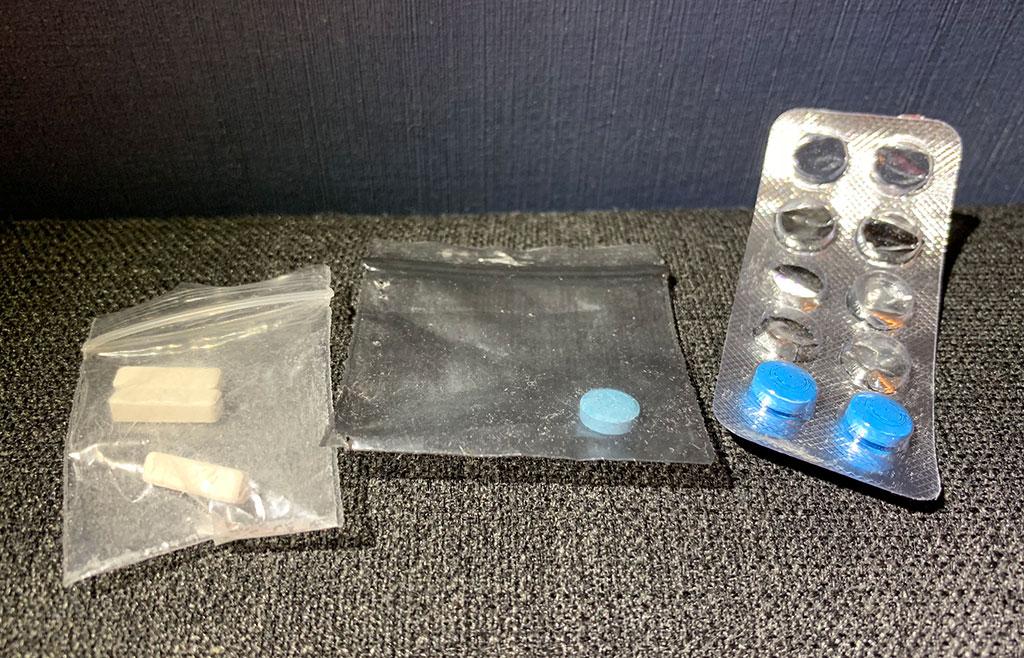
medication – Page 2 – Nick Grant

Tag: medication

  • Treatment

    This is a story about making people better…
    Ward

    I remember the days when I thought that there were magic buildings full of magic people with magic potions who could make magical things happen. I remember the days when I was naïvely optimistic about the abilities of people, institutions and organisations who make highly alluring claims: we can cure you!

    If I had ruptured a major blood vessel, or my body was losing its battle against a bacterial infection, you can be damn sure that I’d want somebody to stop the bleeding or give me some antibiotics. If I had an operable cancer, you can be sure that I’d want somebody to cut it out of my body.

    Some areas of medicine are comparatively new. Some areas of medicine don’t have a great deal of success – the data doesn’t show significantly better outcomes for patients who are treated, versus those who are untreated. Medicine is actively losing its battle to save lives in some areas, such as suicide and opioid addiction. Mental health problems and addiction have been declared medical emergencies; epidemics.

    Sometimes I wonder if it’s useful to think of myself as having a chronic illness, and to expect that problems are just around the corner. I can have a good day, a good week, a good month… maybe even a good year. However, it’s probably dangerous to start thinking of myself as “cured” or “recovered” and begin to consider myself “normal”. Complacency will no doubt lead to repetition of past mistakes, which can result in an incredibly fast chain of disastrous events, destroying every semblance of a normal life, which was so convincing that I and other people were completely convinced that I’m just another ordinary bloke… not some ticking time bomb.

    I fought very hard to get treatment. There was a great deal of reluctance to diagnose me as bipolar, and there was further reluctance to treat me. I seemed very functional. My problems seemed acute. Everybody hoped that I’d go away and get better without intervention.

    I wanted treatment. I knew I was getting sicker. I knew that my situation was deteriorating. I could see the car crash that was about to happen.

    I believed that treatment was effective.

    I just had to find the right treatment.

    I tried so many medicines. I also believed in the “magical healing powers” of hospitals and doctors. I was indoctrinated by the medical establishment’s dogma: “we are the experts and we are the only ones who can cure you”.

    Of course, I’m not such a fool that I believe in alternative medicine. I critically examine all the claims of all charlatans, quacks, healers and others who promote themselves as miracle-workers. Desperate people are suckers. People are also lazy and gullible. Many of us will be scammed in our lifetimes, because we are so desperate to believe in the existence of things that are too good to be true.

    It would have been good I could have avoided that period of my life when I was desperately searching to find the right specialist, hoping that a stay in hospital would be my salvation, or trying a heap of different medications in the hope that I would stumble upon the right one, but it was a necessary education. I needed to learn what was possible, and what was not possible. I needed to see with my own eyes and experience those things first-hand, to learn the limitations of psychiatric medicine.

    Psychiatry is young. Mainstream psychiatry – the prescribing of psychiatric medications on a massive scale – is an experiment that’s barely a few decades old, which is no time at all, when we consider that anatomical studies of the human body and surgery are parts of medicine which are hundreds of years old. The present-day situation, where at least half of us will take a pill for depression or anxiety at some point in our lives, and so many of us have been taking psychiatric medications for years and years… this would have been unthinkable before Prozac successfully normalised the practice of dispensing mind-altering drugs to tens of millions of people across the USA and Europe. Nobody really knew what the long-term consequences and long-term outcomes would be.

    I’ve lost interest in having any contact with doctors now. I’ve lost interest in any new developments in the field of psychiatry. I’ve lost interest in the idea that there will ever be a miracle pill to cure depression, anxiety or to stabilise moods. The brain has proven a far more complex organ than the blunt instruments of psychoactive substances are able to have any precise effect on. Pills are useful for curing a bacterial infection, but they are of no use in an organ which has been evolved to specifically resist attempts to alter it – the brain’s ability to maintain homeostasis is incredible, and all psychiatric medications are fundamentally flawed, because they affect a plastic organ, which can simply adapt itself and return to its original state.

    Hospitals can offer welcome respite – sanctuary – from the unreasonable demands of the world. Hospitals have their place as a controlled, safe environment, full of caring people. However, psychiatric care has changed radically in the short time that we have been practicing it as a branch of medicine. Those who are ill-equipped to cope with life outside institutions cannot expect to live in an asylum forever, which might sound like a good thing for those who believe that people can be cured and rehabilitated. However, in my experience, it is the horror of the “real world” which is the very reason for the epidemic of mental health problems, and it’s often infinitely preferable to protected with the safe confines of an institution than to be fending for oneself in the big wide world. The idea of losing your freedom might sound terrifying and unpleasant, but for those who are struggling to cope – struggling to be functional – freedom is a small price to pay, for the comforting reassurance of life inside an institution.

    When you are a child and you hurt yourself, you run to your parents to “kiss it better” but often the injury remains painful for sometime and there is nothing that can be done to alleviate your discomfort. We learn that sticking plasters, stitches and plaster casts can help our bodies mend themselves, but there is nothing to be done to speed up the healing process. There is little that can be done to take away our pain. There is little that can be done when we are suffering mental anguish.

    Although my life was very badly damaged, I’m now part of a large organisation where I’m known to a lot of people, and they’d be concerned if I went AWOL. My home city is still very new to me – and I know very few people locally – but I also think that somebody would ring my doorbell and check on me if I went AWOL. I have a routine. I have put things around myself that are structured and stable, even if that rebuilding process is very far from complete.

    I’ve been here before… so very close to a fresh start; a complete life. About a year ago, in the blink of an eye I lost most of my new friends, my new girlfriend and my new job. The year before I nearly died, and I regained consciousness to find I’d lost my girlfriend, my home and my job. I’m aware that my life is very fragile. I’m aware that my existence is precarious.

    I wrote positively yesterday about my life and how far I’ve come since the very deepest depths I sank to, but I know that I have a difficult job trying to stabilise myself and find a way of living my life that’s sustainable, and tolerable… pleasant even, one hopes.

    It’s strange that I’ve been so much and ultimately reached the conclusion that I was doing a reasonably good job of looking after myself, but I simply had some very stressful life events to deal with. I thought that I could turn to doctors and hospitals to make me better – and indeed my life was certainly saved when my physical health was severely damaged – but now I feel much happier doing everything on my own: I prescribe my own medications, adjust my own dosages… but mainly I just try as best as I can to create a tolerable set of circumstances to allow myself to thrive; I’ve come to recognise that my family don’t care about me and have abandoned me. I’ve been incredibly lucky to have very loyal, generous, kind, caring friends and wonderful girlfriends, who’ve believed in me, and looked after me, and stuck by me through the difficult times.

    When you see the finished product – a functional man – then we might assume either that he never had any major difficulties in his life, or that treatment was a success. I’m grateful for the hard work, effort and dedication of those who work in psychiatry, but my ultimate conclusion is that it’s a flawed branch of medicine. Things could have ended very badly, but those friends who bothered to come and visit me in hospital, check on me when I went AWOL, look after me when I was sick, believe in me, support me… that’s the thing that was the key to giving me a chance at getting my life back. Those who’ve read my blog and are kind enough to reach out to me – to be in contact – have helped me to feel like I have some value, and to feel some self-esteem.

    My colleagues don’t know how sick I’ve been, and they don’t know how much it means that I’m able to be treated like a normal person at work. My colleagues don’t know how important it is that I have the structure and routine of office life. My colleagues don’t know how great it is for my mental health to have the social interaction that we have, even if it’s just office chit-chat.

    We might conclude that the doctors I saw 11 years ago were right – I’m not really very sick and I’m quite capable of living a fully functional normal life – but they’re also wrong, because everything had to get smashed to smithereens and rebuilt from nothing, before I could reach this point. I nearly died so many times. Was it avoidable though? Probably not.

    That’s my conclusion: I’ve learned a hell of a lot, but it would be wrong of me to start telling people that I have the answers, because what I discovered was that I had to learn everything first-hand. If I had a time machine and went back to tell myself everything I’ve learned up until now, I don’t think I’d believe myself and I’d end up making exactly the same decisions, much like children have to make mistakes even though their parents warn them about everything and try to protect them.

    Does this mean that I forgive my parents for abandoning me? Nope. If your kid is sick in hospital, you go and visit them. Period. No ifs. No buts. You don’t abandon your children, no matter how old they are.


    Tags:

  • Cutting My Meds

    This is a story about tapering off pills…

    Weed

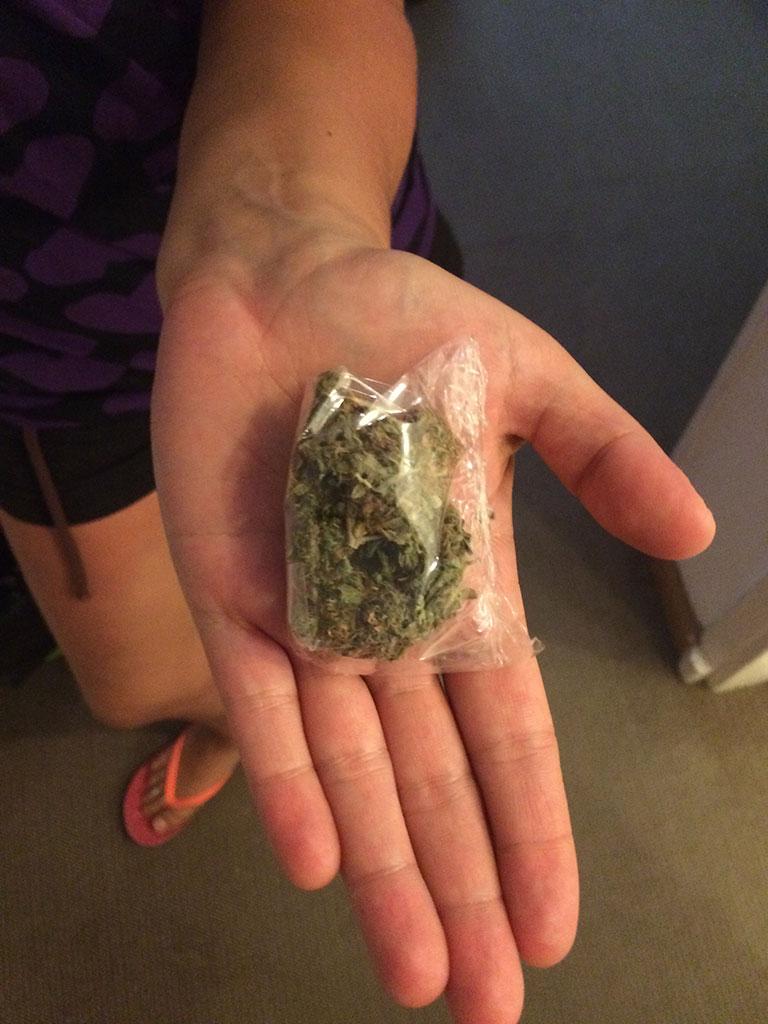
    I’m not a stoner. Never have been. Never will be. However, it seems nigh-on impossible to endure modern life without something to ‘take the edge off. Most people drink, smoke, have tea, coffee and/or indulge in recreational narcotics. Most people take antidepressants. Most people take things to help with anxiety. Most people take things to help with sleep. Life is pretty dreadful without mind-altering substances, prescribed or otherwise.

    My office, which is filled with many thousands of people, functions on tea, coffee, cigarettes and vaping. There are probably numerous colleagues who are also secret alcoholics, swigging vodka from bottles hidden in their gym bag or perhaps kept in their car. I’ve worked for more than two decades in large organisations – I know what people are like.

    At the peak of my stress and misery – just a few weeks ago – I was swallowing three times the recommended dosage of Xanax and zopiclone. I was heavily medication dependent. My sleep was greatly aided, but my alertness was drastically affected and my reaction times were probably impaired. I felt very strange: as if I was having an out-of-body experience. My anxiety levels soared as my working day wore on, and the afternoons and evenings were unbearably unpleasant.

    I cut my dose by 33%.

    It wasn’t that bad.

    Taking 4 pills instead of 6 is easy enough to do: two Xanax and two zopiclone.

    To cut my dosage again was going to be more difficult, except I had the foresight to have obtained some half-dose tablets, so that I was able to cut my dosage by 25%: I swallowed one and a half Xanax and one and a half zopiclone.

    It wasn’t that bad.

    Now I take one pill of each: one Xanax and one zopiclone. Cutting my dose by 33% again was aggressive, but I’ve managed to do it. My sleep was severely disturbed, but I soldiered through a difficult weekend and I’ve managed to just about manage to get enough sleep to not lose my job. My alertness has improved significantly and I’m very pleased that I’ve cut my dosage by 67% in the space of just 3 weeks, which is extremely rapid.

    I have left myself enough of the half-dose zopiclone tablets to be able to cut my dosage by 50% at some point. The Xanax tablets break very conveniently into half and quarter doses. Xanax is evil – it’s so short-acting that it’s tempting to keep popping pills whenever the anxiety comes back, which it always does. I’m desperate to free myself from my dependency on Xanax.

    The prospect of being released relatively soon from my chemical prison is incredibly pleasing. Although the pills served their function very effectively, allowing me to cope during some incredibly stressful times, it’s a terrible habit to become dependent on pill-popping every time anxiety occurs. Anxiety is unbearable, but benzodiazepines are a terrible short-term solution, which ultimately leave the user worse off than they began. The low price of black market benzodiazepines and their ubiquity is shocking, but life is very unusual when it’s structured around medications, and Xanax is probably one of the very worst medications to become dependent on.

    Cutting my zopiclone dose by 50% is going to be the hardest, because it’ll be the biggest drop that I’ve had so far. I will cut my Xanax from a whole 2mg tablet, to 1.5mg, then to 1mg, then to 0.5mg… and then I’ll be free. However, zopiclone tablets are not particularly designed to be split so easily. Purchasing some half-dose zopiclone tablets was prescient, but I’m anxious about insomnia and struggling to get up in the morning to go to work.

    My life is made so much more bearable by having the ability to alter my body clock to suit early-bird culture, when I’m naturally a night owl. My life is made tolerable by having the ability to medicate away the worst of my anxiety, when it becomes unbearable.

    I have no idea how I’m going to function without my tablets, and I fear that I might be tempted to eat and drink more by way of compensation, which would adversely affect my physical health, but I do want to applaud my progress so far this year: I’ve been virtually teetotal, while also cutting down my meds by 67% so far, which is a big deal.

    Kind of a boring story… but I wanted to report on some progress I feel proud of.


    Tags:

  • Clean & Sober

    This is a story about prescribed medications…

    Akira

    After 4 months of sobriety I’m grateful for the weight loss. My liver must be very grateful for the break. It was exactly 2 years ago that my addiction peaked, when I had managed to obtain a stockpile of my drug of choice that would last me 6 years. Having that stockpile was a pivotal moment, because I knew that I would not survive for more than 6 months with a virtually limitless supply of the drug I was hopelessly addicted to. I knew that I had tested the patience of a very supportive friend – my guardian angel – and I announced to her that I would be committed to overcoming my addiction, which I have done.

    These two achievements are not to be underestimated, and are also set against a backdrop of great financial hardship and other averse circumstances. I’ve been forced to move around. I’ve been forced to work when I’m sick. I’ve been forced to go deeper into debt and to re-invest the money I receive, in order to escape from the horrible trap I found myself caught in.

    It’s not really possible to travel directly from the depths of drug addiction and alcoholism to clean and sober living. A person can’t wake up one day and decide that they’re going to stop taking drugs and drinking. There are consequences of such a decision.

    My hospitalisation in 2017 represents the peak of the consequences of my decision to attempt to quit addictive substances. At that time, I was still physically addicted to one prescribed medication and four which I obtained on the black market. It seems obvious that I should have ended up on an intensive care ward, having seizures, in a coma, with a machine breathing for me. It seems obvious that the battle was too hard to win and I would capitulate.

    Presently, I am physically addicted to one medication and psychologically dependent on another. In terms of progress, this is a vast improvement versus taking 5 medications every day – instead of three physical dependencies, I have one, and instead of two psychological dependencies, I have one.

    I swallow one pill for anxiety. If I abruptly stop taking that medication, I risk having a fatal seizure.

    I swallow one pill for sleep. If I abruptly stop taking that medication, I will have insomnia.

    I don’t drink, which is great news for my physical health.

    I’m working, which is great news for my bank balance.

    Everything seems to be under control.

    However.

    My dependence on the black market is problematic. I had attempted to stockpile enough medication to allow myself to taper my dosage down and free myself from the physical and psychological dependence on the tablets, but the disruption of a breakup and moving house was a huge setback. My stocks are running low and I’m having problems replenishing my supply.

    Of course, my plan all along was to end up completely substance-free. I tried in 2018 but my drinking got out of control. Drinking alcohol as a way of compensating for the unpleasant withdrawal side-effects of stopping medications, is not something that’s good for my health. I gained weight and became alcohol dependent. Having broken my alcohol dependency, I would like to remain mostly teetotal because it’s better for my weight, fitness and general health.

    If you talk to any doctor they will tell you that all their patients suffer significant discomfort when withdrawing from psychiatric medications which they have been taking for long periods. In fact, the doctors will tell you that it’s virtually impossible to get their patients to quit the prescribed medications which they have become dependent on.

    Why quit?

    It seems to be in vogue to stop people taking medicines which humanity has used safely and effectively for a long time. It seems to be trendy to stop people from taking opiates, benzodiazepines, tranquillisers, sedatives, hypnotics, sleeping pills and a whole host of medicines which were greedily guzzled by many generations without any issues. It seems to be the way of modern medicine to offer ‘safer’ ineffective alternatives and refuse to prescribe effective medications.

    I can attest to the great difficulty of getting off the addictive medications which doctors don’t prescribe. I’ve been addicted to all of them, and I’ve successfully stopped taking all of them for lengthy periods, so I can describe in exquisite detail the very many agonies and unpleasantnesses associated with cessation of these medications. I can recall exactly what the withdrawal side-effects are like for the pills that your doctor won’t give you.

    I find it hard to find a good reason to quit and be completely 100% free from any mind-altering substances, but I’m certainly having difficulties in maintaining a reliable supply, which puts me at risk of a potentially fatal seizure. Quitting the medications which give my life enough stability to be able to hold down a well-paid job, is not desirable, but it seems necessary given the exhaustive efforts undertaken to thwart me – playing the stupid cat-and-mouse game with a bunch of people who don’t care about the consequences, is a waste of energy and I would love to be free from the stress of dependency and uncertainty about the supply of something which I physically need.

    Luckily, my physical dependency is something I have the capacity to alter – unlike type 1 diabetes – so I am following through with my plan to wean myself off the two remaining medications, hopefully slowly enough that it doesn’t destabilise me so much that I lose everything.

    My version of clean and sober might not seem very impressive to you, but I assure you that it is a considerable achievement to have beaten fully-blown addiction to every substance imaginable and restored some health and wealth to my shattered life.


    Tags:

  • Antipsychiatry

    This is a story about refusing help…

    Pharmacy

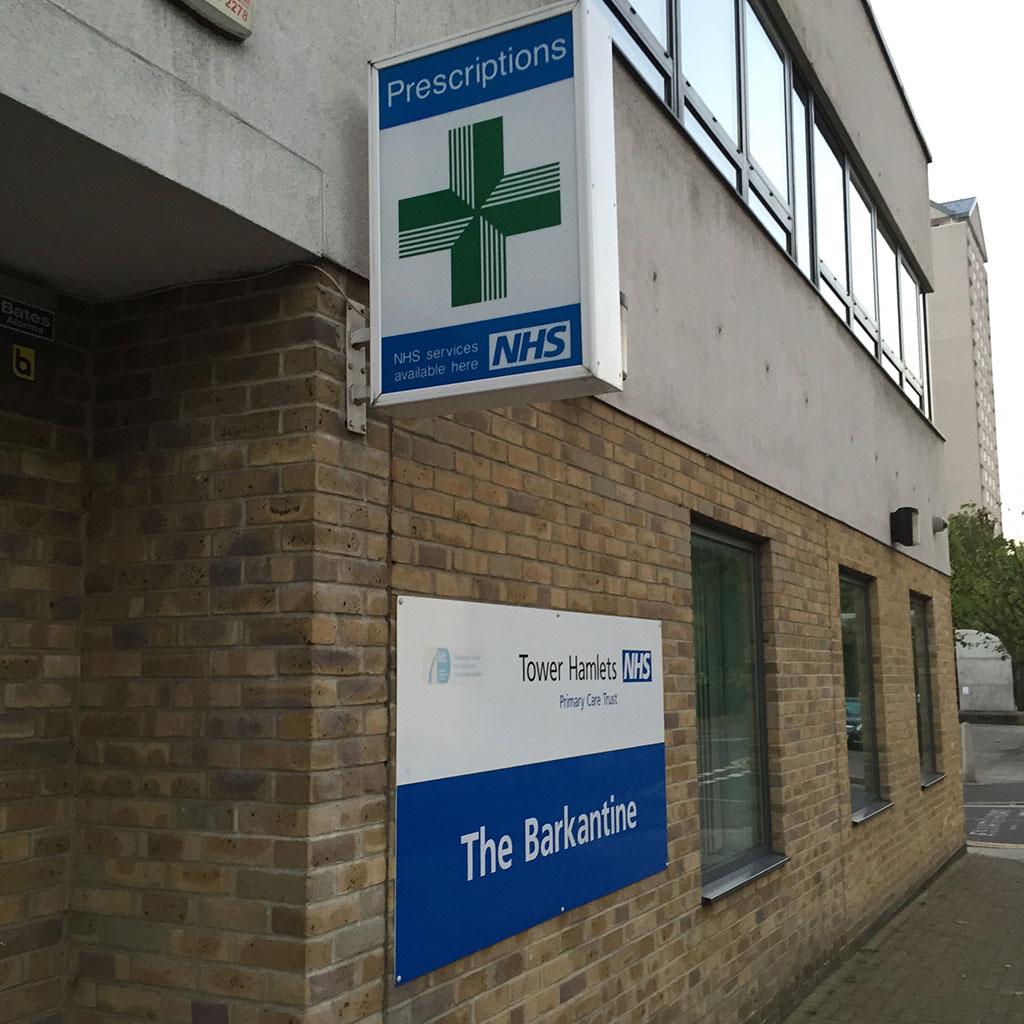
    If you spend enough time with general practitioners, general psychiatrists, specialist consultant psychiatrists, registered mental nurses, specialty doctors and all the very many other mental health professionals who are part of inpatient and outpatient clinics, community mental health teams, crisis teams and all the other apparatus which is supposed to treat mental health problems, one begins to realise a rather unsettling truth: there aren’t very many treatments and they don’t work very well.

    Psychiatry is a young branch of medicine and it doesn’t have a lot to crow about. Since the days of asylums and lobotomies, psychiatry has been dogged by scandals, including the extrapyramidal side effects of medications which have left patients with lifelong irreversible unpleasant problems. The data do not show encouraging outcomes. In fact the outlook is dismal and appears to be worsening as the toxic conditions which create mental health problems, seem to be intensifying. Rates of depression, anxiety, eating disorders, OCD, autistic spectrum disorders, attention deficit and hyperactivity… these are all soaring. Treatments are not effective and vast numbers of people are condemned to suffer with their illnesses AND the side effects of the medications.

    I’ve been lucky enough to have access to private medical care, at times, and even with the very best professionals and medications, there is not a vast difference between what’s available from the public healthcare system. It’s all pretty crap and it doesn’t work very well.

    This is not a damning indictment of those who dedicate their lives to trying to treat mental illness, but simply a cold hard rational analysis of the facts.

    The conclusion I’ve reached has been that there’s an over-medicalisation of non-medical problems. The bulk of my problems have stemmed from the collapse of my relationships. I got divorced. I am estranged from my family. I’ve been forced to move to cities where I have no friends – no social support network – in order to work jobs which have been unsuitable for my health. I have the enormous pressure of having to work full-time, to pay rent, bills and service enormous debts, which is unbearable for a person who’s having a crisis.

    My mental health would be vastly improved if I had a partner, a social support network of local friends, financial and housing security and a job with reduced hours, until this crisis is resolved. Healthy diet, sleep hygiene, exercise, sex, physical affection, sunlight, fresh air, social contact, hobbies and interests… these things are all essential for human wellbeing. None of those things can be prescribed by a doctor.

    During the worst days of my addiction and rough sleeping, I noticed that my fellow homeless alcoholics and addicts were not without some routine and social lives. Romantic relationships are not the exclusive preserve of those who live in houses and have jobs. The life of a homeless drug addict might be chaotic to the outside observer, but a less prejudiced analysis reveals no less structure, no less need for comfort, no less humanity. Those who have fallen into habits of addiction and homelessness might find the community of drug addicts, alcoholics and homeless to provide the social support network and sense of community, which they’d struggle to find living anonymously behind a front door.

    Does anybody really know I’m here… in this house… in this city? In many ways I have found my contact with hospitals and the police to be of great comfort. I have found the nonjudgemental members of the NHS and police force to be incredibly kind and compassionate people. It’s nonsensical, but I’ve been happy to be hospitalised or arrested. I’ve been happy to be in a cell or on a hospital ward, with somebody checking on my welfare. Behind my own front door I could be hanging by the neck, dead, and nobody would discover me for days or maybe even weeks.

    My problems are mainly attributable to unmet basic needs: hugs, face-to-face conversation and a sense of belonging.

    Because of the obvious things which need to be fixed in my life, it seems wrong to seek medical help, when my mood could be radically different if all the broken things were fixed. It might sound like a fun adventure, going to new cities, but the reality is very miserable and lonely. The reality of my present life is that I don’t pick up the phone to speak to anybody when I’m feeling dangerously depressed – who would I phone? What would they do? It’s not like anybody can nip round to check I’m OK.

    Humans are social creatures, but I live on the periphery. I live on the periphery of life itself, always in danger of death or medical emergency. The state of being suicidal should be considered a medical emergency, especially in men of age 20 to 40, where suicide is the biggest cause of death. My perception of the danger is not warped, given my history of suicide attempts and hospitalisations.

    There isn’t a pill or some psychological therapy which would be effective… especially not when so much of my life is broken. It’s not a medical problem. Sure, I have an underlying mood disorder, but the highs and lows of bipolar don’t make me as unhappy as my social isolation does.

    How I set about fixing things, I have no idea. The task seems insurmountable.


    Tags:

  • Asleep On My Feet

    This is a story about sleeping pills…

    Attic

    The existence of this photo is something quite remarkable, even though it’s hard to understand if you’re not me. This photo captures the end of my attempt to smoothly extricate myself from an acrimonious divorce and pick up my life in London again with little damage. This photo captures the beginning of an astonishingly difficult period of my life – the part that contains all the homelessness and hospitalisations.

    I try to compartmentalise everything, and to compare present experiences with past ones to see if I’m repeating patterns of behaviour which are flawed.

    One experience which is oddly haunting is that of walking around in a somewhat out-of-body state; tunnel vision. I can hear my mouth talking – I can hear my voice – but it doesn’t feel like I’m saying the words… I just hear them. It feels like I’m dreaming.

    My brain is recovering from an avalanche of pills I’ve shoved down my throat in the past fortnight. I’m surprised I haven’t suffered seizures or kidney failure, given the cocktail of chemicals I’ve swallowed.

    I forget that I messed up my brain chemistry.

    I wonder why I can’t concentrate and my anxiety has gone through the roof. I wonder why my perception of time is so warped: The seconds and minutes are dragging along, taking hours and days to pass. My days in the office have been difficult, but my days at home have been no easier. There’s no respite from the problems of my mind, my mood, my perceptions – I can’t escape my brain.

    I forget that I stopped drinking.

    I wonder why the days are so long and I seem to have so much more time to do stuff. I wonder why I’m more able to cope. I wonder why I’m not so overwhelmed by things. Then I remember that I’m not shackled to alcohol anymore. I get to Friday and I start thinking that I should get drunk, but then I remember that it doesn’t help, but it definitely hinders.

    I think about all the detoxes and rehabs and I try to tell myself that £12,000 and 28 days in The Priory – the UK’s Betty Ford – isn’t enough to ‘cure’ me then I should go easy on myself. I think that I should allow at least four weeks since any major incident, before deciding that things are broken and won’t get better. I think that 6 weeks is better, as a period of recuperation. I think that perhaps 3 months is best of all – 3 months stability and routine is the minimum, before making any big changes.

    I always tried to rush things. I got very impatient and I tried to hurry things along. It ended badly.

    I got very agitated. I got very angry. Nobody seemed to understand the urgency. Everybody seemed to be getting in my way.

    The universe doesn’t like to be hurried, it seems.

    I think about how many different things I wanted in a short space of time. I wanted to work with my hands. I wanted to not work in an office. I wanted to be my own boss. I wanted to be the CEO of a tech startup. I wanted investors. I wanted to win. Then, I wanted rapid promotions and progression. I wanted to make a notable contribution. I wanted to have a say in everything.

    I thought I was going somewhere.

    I can look back and laugh at myself, but I must’ve carried some of that same person from the past into the present, which means I’m laughable today too.

    I did learn to keep my mouth shut though, a little bit.

    I think it’s an interesting story, but I’m biased. I find it interesting that I was held back for years, which was frustrating, but then I squandered many years as an addict, which made absolutely bugger all difference. Instead of screwing up my whole career and future earning potential, my profession just patiently waited to accept me back once I’d got a lot of nonsense out of my system.

    What terrifies me is how many years it’s been and how similar this feeling is – of being asleep on my feet – to that feeling I had when I thought I was managing to escape my screwed up life and start over again, back in London. It’s terrifying to think I haven’t progressed at all, except I’m older and I’ve damaged my body and brain quite a lot.

    I thought “OK time to stop now” a long time ago, and then found that I couldn’t. The things that I didn’t want to happen – like losing all my money and sleeping rough – happened and I landed up having major medical emergencies. I’m smart enough that I made it this far and my story is kinda remarkable, but anything that’s vaguely similar to the past gives me a lot of superstitious heebie-jeebies.

    This weekend is tougher than I thought it’d be. I’m not as far progressed with my finances as I thought I’d be. I’m not as clean and sober as I’d hoped I would be. There have been setbacks. My journey has been nonlinear.

    What’s surprising is that the universe has just handed me some major life components. Whether I’m intent on screwing up my entire life or whether I’m trying to achieve something great, pretty much the same outcomes seem to happen. I’m pretty convinced that free-will is an illusion. I don’t feel like I’m just observing, but the evidence seems to be that I don’t have any control.

    Of course, I have too few ‘normal’ experiences to really benchmark where I’m at. I have too few ‘normal’ human interactions to gauge whether I’ve lost my mind or whether I’m OK. I’m completely free from any oversight. I’m untethered.

    I don’t know what’s going on and I’m starting to ramble. I feel very peculiar.


    Tags:

  • Bipolar Medications

    This is a story about tailored medicine…

    Different tablets

    It’s a subject I’ve written about at length before, but I was writing about my experiences with different mood stabilisers earlier today and I thought I would re-purpose that content for my blog, because I’m tired and I’m stressed, and it seems like a logical thing to do: To take something I wrote earlier and re-use it.

    What I’ve written is in the style of advice given to somebody who’s perhaps newly diagnosed as bipolar, or perhaps suspects that they have bipolar disorder. What I’ve written is from my own personal experiences. What I’ve written is not meant to be completely authoritative and factually correct, but I’m aware that it’s my general writing style to present my opinions in a persuasive manner.

    So, without further ado, let’s get onto the list of bipolar mood stabilising medications I have known and loved (or hated, more like).

    Quetiapine (Seroquel)

    Horrible side effects, including weight gain, daytime sleepiness, dry mouth and constipation. When it takes effect, it’s so strong that it’s very hard to get to bed, or use the toilet in the middle of the night. Cannot be mixed with alcohol – the alcohol makes you feel very unwell.

    Overall, this medication feels like being “heavily sedated” and it would be very difficult to carry on a normal life at dosages above 200mg. At dosages of 300mg or more, you’ll be sleepy and dopey all the time. At dosages over 400mg, you’ll be a shuffling zombie, good for nothing except dribbling in front of daytime TV.

    Not compatible with having a job.

    Aripiprazole (Abilify)

    This medication had a strange side effect, where I lost fine motor control of my lips and seemed to produce excessive amounts of saliva. It was impossible to have a conversation with somebody without spraying them with spit, which was a horribly degrading experience for me.

    Aripiprazole is very long-lived in the body, so it can take a week or more to wear off and get back to normal, even after taking this medication for only a couple of days (i.e. if you try it and you get bad side effects immediately, you’ll have those side effects for a whole week at least).

    Because of its very long half-life, I would have serious reservations about trying this one, except as a last resort.

    Lamotrigine (Lamactil)

    No side effects at first, but the dosage has to be increased very slowly with this one. Migrane headaches are a very common side effect, which I got, so I decided to stop taking it. The headaches are tolerable, I guess, because this is the medication with the fewest side effects.

    Some psychiatrists might not consider lamotrigine to be a mood stabiliser, but in fact more of an antidepressant which is safe for bipolar people to take. It improves sleep quality so I think it’s a good choice from amongst the fairly bleak options.

    Also a good choice if you plan on attempting to have a normal job and work.

    Olanzapine (Zyprexa)

    Side effects include weight gain, daytime sleepiness and a general feeling of being drugged, but nowhere near as bad as quetiapine.

    Very good at quickly stopping a manic episode, so it could arguably be used only when entering a manic phase, and then stopped a short while later, but this would require discipline.

    Not recommended to take on a long-term basis.

    Not compatible with having a normal job.

    Sodium valproate (Depakote)

    Dreadful side effects. Will turn you into a total shuffling, dribbling zombie and eventually you will get an irreversible kind of brain damage, which will cause you to make involuntary facial movements (a bit like a tic).

    This is an awful drug, given to paranoid schizophrenics who are very severely sick (paranoia, hearing voices, hallucinations etc).

    If you’re on this, it’s probably forcibly injected into you in a psychiatric institution. The injections last for 3 months. Don’t ever let yourself get so unwell that this becomes necessary. Exhaust all the other options first.

    Lithium

    Very hard to get the dose right, and requires regular blood testing, which is annoying and inconvenient. Very effective and side effects are tolerable if you can get the dose perfect but it might take many years to find exactly the right dose, and it will be very destabilising if you start going too low with your dose – i.e. you might end up triggering manic episodes when you’re simply trying to avoid side effects.

    Lithium causes irreversible health damage when used long term, and is therefore “life limiting” in a way – it might reduce your lifespan by 5 years or more, which is obviously a high price to pay.

    General Comments

    Psychiatrists will tell you that you need to commit to a medication for at least 3 months, in order to feel the therapeutic effects and for the side effects to wear off. I have tried all the medications listed above for 3 months or more, and the side effects never wore off. The side effects were intolerable for all the medications, except lamotrigine.

    If you take these medications for longer than a few weeks (with the exception of lamotrigine) then you cannot stop taking them abruptly. If you suddenly stop taking these medications, you will have horrible rebound mania and possibly psychosis too (hearing voices etc). However, I have successfully ‘weaned’ (i.e. tapered) myself off all these medications, without too many problems.

    The worst manic episodes I’ve had have been when stopping quetiapine and olanzapine abruptly. When I’ve tapered off the medications slowly, my mood has been fine and I’ve not had any problems. In fact, every time I’ve stopped taking a medication, I’ve felt much better, because the side effects are so awful.

    I would advise you to consider olanzapine as a treatment for acute episodes of mania… i.e. you should have some ready to take, and when you start to go manic then start taking it to make sure your mania doesn’t spiral out of control.

    I would also advise you to consider lamotrigine as first or second choice. I believe many busy working professionals with bipolar disorder find lamotrigine to be a good medication, because it has few side effects.

    Psychiatrists will probably pressure you to be on a stronger medication, which is likely to be an atypical antipsychotic (quetiapine, aripiprazole, olanzapine, sodium valproate, risperidone, clozapine) but all of these will have very profound side effects, most notably making you feel tired and sleepy, lethargic, foggy-headed, confused, increasing your appetite and reducing your sex drive. It’s personal choice, but I find those side effects unacceptable.

    Alternatives to Medication

    Alternatively, you can use good lifestyle choices to manage bipolar: no alcohol, no caffeine, strict bedtimes, strict work:life balance, exercise, good diet. You will probably need some trusted people around you who can let you know when your speech is becoming more pressured, you’re getting irritable, perhaps you’re getting a little obsessive about projects, becoming more impulsive and taking more risks… essentially, when you’re heading into a manic episode, which could escalate. I find that getting 8 to 10 hours sleep each night, no more and no less, helps me to keep my mood stable. I also find that my manic episodes are much less of a problem since I quit caffeine. Recreational drugs are a terrible terrible idea, and completely incompatible with bipolar, unfortunately, especially the stimulants: legal high powders, speed, coke, crystal meth, meow meow, M-CAT, mephedrone, monkey dust etc. etc.

    Stressful life events can be very triggering for mania, as well as the temptation to work hard because of a job change, promotion or exciting project. It takes a lot of careful planning to ensure that stress is kept to a minimum and work:life balance is preserved. If you want to get obsessed with anything, make it exercise and the great outdoors.

    In Conclusion

    I’m living a functional and complete life, with a full-time job, managing to have good relationships, managing my money, not engaging in risky behaviours or otherwise suffering many problems with my bipolar disorder. I have depressions, which are sometimes bad enough to cause me to take some time off work, but only a few days here and there. I have hypomanic episodes, where I can spend a lot of money and make impulsive decisions. However, considering that I don’t take any mood stabilising medications for my bipolar disorder, my mood is remarkably stable and almost everybody would consider me to be successfully managing my condition, without having any particularly adverse effects on my quality of life.

    I can highly recommend trying to go medication free, or spending a lot of time trying different medications and tweaking the dosage, because life is so much better when you’re not drugged up to the eyeballs with powerful psychiatric chemicals, which radically alter you and your personality, with horrible side effects.

    I’m not antipsychiatry per se, but I would advise people to make very well informed decisions and remind your clinicians that it’s your body, so it’s your rules, and like with every profession, there are people who are brilliant at their jobs and there are people who are not so great. You need to educate yourself so that you know whether you’re getting good advice or not. You can’t just trust everybody who calls themselves a doctor.

    Mental health is complex. Bipolar disorder is complex. People are complex. We are all individuals and we have individual needs and individual unique circumstances. Tailor your solution to meet your needs.


    Tags:

  • How I Became a Drug Addict Again

    This is a story about re-relapse…

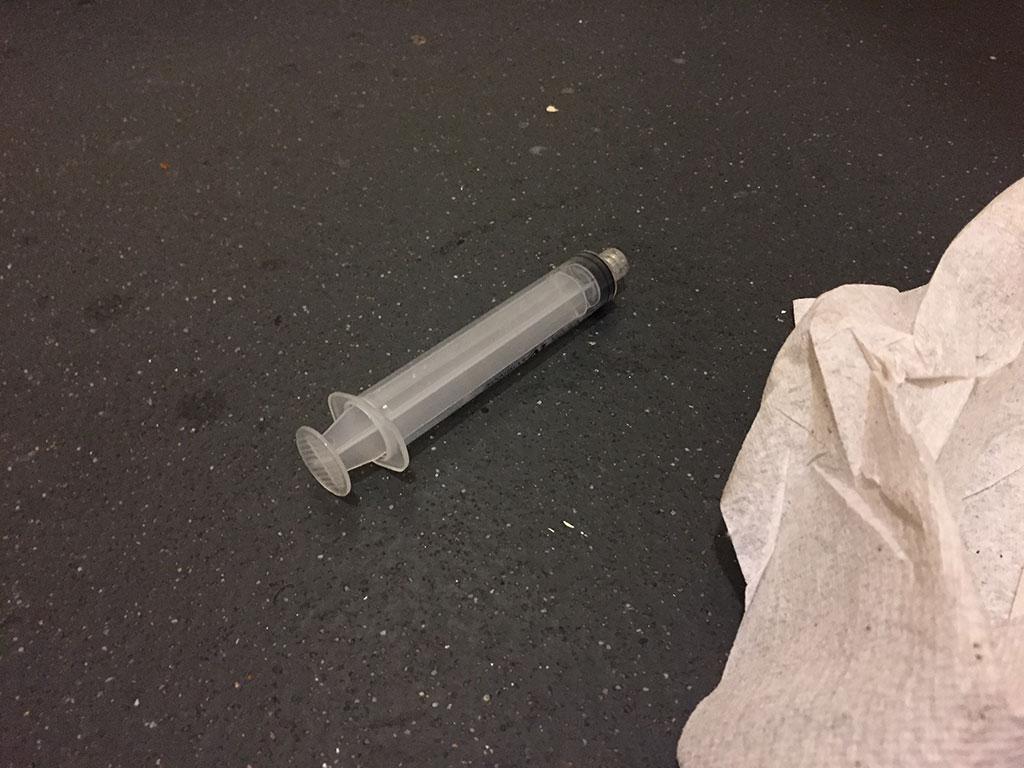
    Syringe

    The title of this blog post, the hyphenated nonsensical word “re-relapse” and the image of an oral syringe which I happened to spot lying on the floor of a hospital, are all intended to set the tone of this piece: Everything you think you know about drug addicts is probably wrong, especially when referring to “drug addicts” as a collective group of mostly identical people.

    I could easily wander into the territory of blathering on about “we’re not all the same, you know” and other such clichés, but instead I thought I’d simply tell you the story of my re-relapse.

    I guess how I became a drug addict again is far less interesting and important than why, so I’m actually going to explain some of the who and the what which means my story makes sense, I hope.

    Back in November 2018 – less than 3 months ago – I was a drug addict. I also booked some flights to Mexico for my girlfriend and I, so that we could spend Christmas and New Year on the beach. This presented a problem: How does a drug addict go on holiday?

    When I went on holiday to Turkey for a week in October 2018, I literally went cold turkey, which I thought was really funny because I had travelled to Turkey for a hot holiday during the cold UK autumn. The irony of it had a kind of poetic deliciousness, which I couldn’t resist. Besides, I wasn’t that much of a drug addict at the time.

    During that week in Turkey, I struggled to sleep at first, without the drugs which I had become addicted to. Then I became incredibly tired and lethargic due to lack of sleep, and I didn’t leave my hotel room for 3 days. However, by the end of the holiday I was able to enjoy some sunshine and I was also ‘clean’ – I was no longer a drug addict.

    Now we must ask: If I had managed to get ‘clean’ and beat my drug addiction, why would I relapse? The answer is quite simple and straightforward really: Because I am using drugs as a coping mechanism for my ordinary day-to-day circumstances.

    What about Mexico?

    I had planned a 2-week holiday with my girlfriend, to Mexico, which would have been far more enjoyable than the holiday to Turkey, except for the fact that my drug addiction had escalated. I’m not sure what was so particularly awful about November, except that the UK weather was getting even colder and more miserable, but I found it necessary to augment my existing drug addiction with additional substances.

    I did not want to travel through two international airports carrying controlled substances, for which I did not have a prescription. In the UK, it’s a criminal offence to be in possession of certain medicines, unless you have a prescription. I did not have a prescription. One of the medicines which I needed to transport with me to Mexico via transatlantic flight, in order to maintain my drug addiction, was unfortunately illegal to possess in the UK without a prescription.

    What was I going to do?

    I procrastinated for a long while, and then with 3 weeks until the scheduled departure of our flight to Mexico, I decided to start reducing my dose a little bit every day. I tapered myself off one of the medications I was addicted to – Xanax – until I was no longer addicted to it, so I was then able to travel without being at risk of prosecution for trafficking narcotics across international borders.

    Essentially, I got ‘clean’ again. Yet again. I’ve gotten ‘clean’ so many times.

    Oh, did I mention that I also quit drinking?

    Yeah. Don’t try to quit Xanax in the space of 3 weeks if you’re addicted to it. If you’re addicted to Xanax, you need to taper down your dose really slowly or else you’ll have problems.

    I had problems.

    I drank 9 pints (5 litres) of very strong beer and I don’t remember many of the details, except that I went bat shit crazy and smashed some stuff up. I was pretty much blackout drunk, so my memory is very patchy. I was out of control. I was a mess. The worrying thing is how little of it I remember.

    So, I quit drinking soon after I started trying to quit Xanax. Mixing alcohol and Xanax is a bad idea, but drinking alcohol while quitting Xanax is a disastrous idea.

    However, quitting alcohol and Xanax, when you’re addicted to both… that’s hell.

    I had 3 weeks where I felt like the world was about to end and life was not worth living. I had 3 weeks where I was absolutely convinced that every conceivable disaster was lurking just around the corner. I had 3 weeks of the most unbearably awful anxiety.

    Then I went to Mexico.

    Turns out you can just buy Xanax over-the-counter in a pharmacy in Mexico if you smile nicely and pay in cash. Obviously, I was well aware that it’s illegal to sell Xanax in Mexico, but I was also well aware that it wasn’t illegal for me to buy it or possess it. So, I bought a bottle of Xanax from a Mexican pharmacy, and I resumed my drug addiction. Xanax is branded Tafil in Mexico by the way… if you ever need to get some.

    Then, at the end of my holiday in Mexico, which was awesome by the way, I threw the leftover tablets in the bottle into the trash, at the airport.

    Since my holiday, my life has continued pretty much as normal. I don’t drink – I’ve managed to remain almost completely sober since I quit alcohol back in December. My life is also normal, insofar as I’m a drug addict.

    Every night I take a sleeping pill and a tranquilliser, and I do so because I need sleep and I need to be tranquil. My life circumstances dictate my need for the substances I use.

    I imagine that I will become completely ‘clean’ and ‘sober’ again one day, but for the time being, I need to endure some pretty horrible life circumstances, and I find that the drugs I’m addicted to are helping me to cope, even though it’s commonly thought that all drug addiction is automatically a bad thing.

    What I wish for is not to be ‘clean’ and ‘sober’ but for the circumstances of my life to be more pleasant and favourable to a life without the ‘crutches’ of drugs, but what I wish for seems mostly impossible, at the moment. I can’t achieve the impossible. I have to work within the limits which I’m constrained by. I have no control over most things in my life, which cause me a great deal of discomfort and unhappiness, but I’ve found my coping mechanisms which work.

    The end.


    Tags:

  • Perfect Storm

    This is a story about life at the limits…

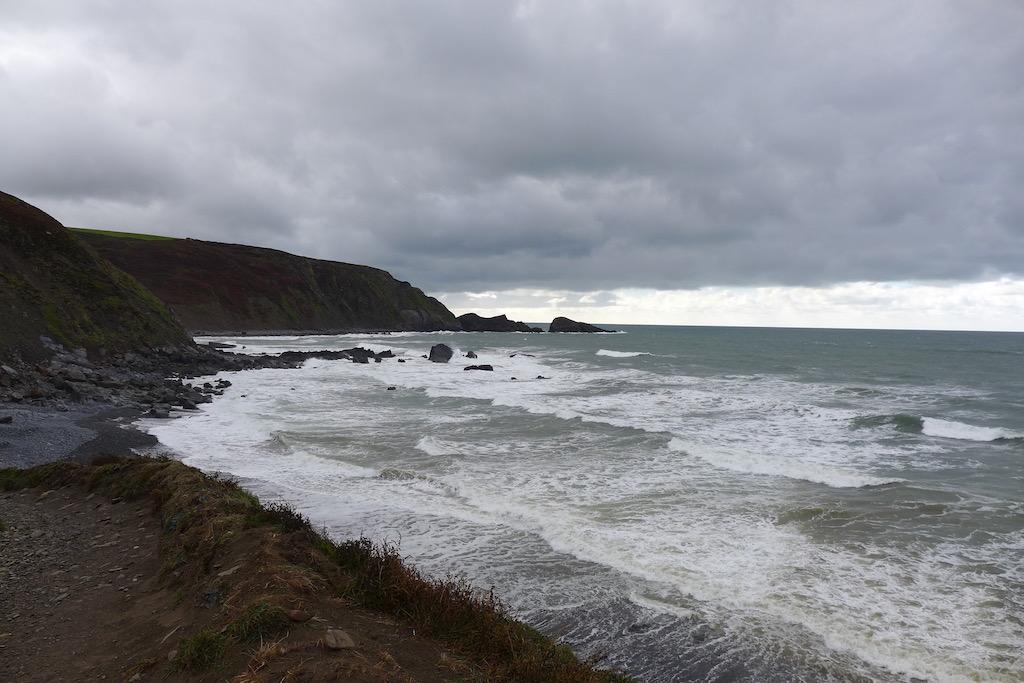
    Cliffs

    I suppose that it’s a regular complaint of mine that I’m feeling overwhelmed, and it’s a regular boast that I’ve been through some substantial periods of adversity. I’m also aware that the picture I’ve selected to accompany today’s blog post is not exactly very stormy, but it’s the best I could come up with in the circumstances.

    I stopped writing for a while, which was because my friend killed himself, and also an enormous project kicked off at work, and also I had plans to get myself across the Atlantic Ocean and back again in one piece… plus all the many other important things to numerous to list. In short, I didn’t make the time to write and there were a number of very good reasons why I took a break from writing every day.

    Now, my friend’s funeral is done, my transatlantic jaunt is done and the enormous project at work isn’t going to be finished any time soon, so I must resume my daily writing duties, even on days when I don’t feel like writing.

    This morning I woke up and I felt terrible. I considered not going to work. I got to the office and several of my colleagues told me that I looked awful and said that I should go home. There was snow forecast and local schools were closing. My colleagues weren’t doing anything except staring out of the window and/or talking about stockpiling food. I came home early and worked from my bed.

    Unfortunately, I have my ‘day job’ plus my company to run, plus this website, which I have started to attempt to migrate from one place to another, although all these things are behind the scenes. I also treat my writing a bit like a job, in that I sometimes force myself to write even when I’d much rather be doing something else, or I’ve got a lot on my plate.

    The things that get neglected are my sister and my niece, my friends, all the phone-calls I never answer, all the messages and emails I never reply to, and all the tasks which can be deferred for as long as possible. I need a haircut. My car needs servicing. Today is the final day that personal taxes are due to be paid in the UK, and I was close to the deadline as usual. I need to find a new place to live. I need to renew my car insurance. I need to see if my former friend’s mum still has my stuff – the majority of my stuff – still stored in her garage, or whether she’s disposed of it, since the fallout with the friend.

    I quit drinking back in early December, although I did have a couple of drinks on Christmas Day and New Year’s Eve. Quitting drinking helps, actually. I feel fitter, healthier and I’ve lost some weight. I find my life to be much improved versus the recent period when I was drinking heavily every single day.

    Something’s gotta give though.

    Today it was my health. Sunday, Monday and Tuesday, it was also my health. Every day I take too many sleeping pills and too many tranquillisers.

    Eventually, the weather will improve, my finances will improve, my routine will stabilise, I will get the housing security I need, I will have the regular social contact I need, I will get the exercise I need, I will replace my run-down old car with a newer nicer one, I will replace my worn-out clothes, I will pay off my debts and I will get a haircut.

    Not today though.


    Tags:

  • No News is Bad News – Part Two

    This is a story about radio silence…

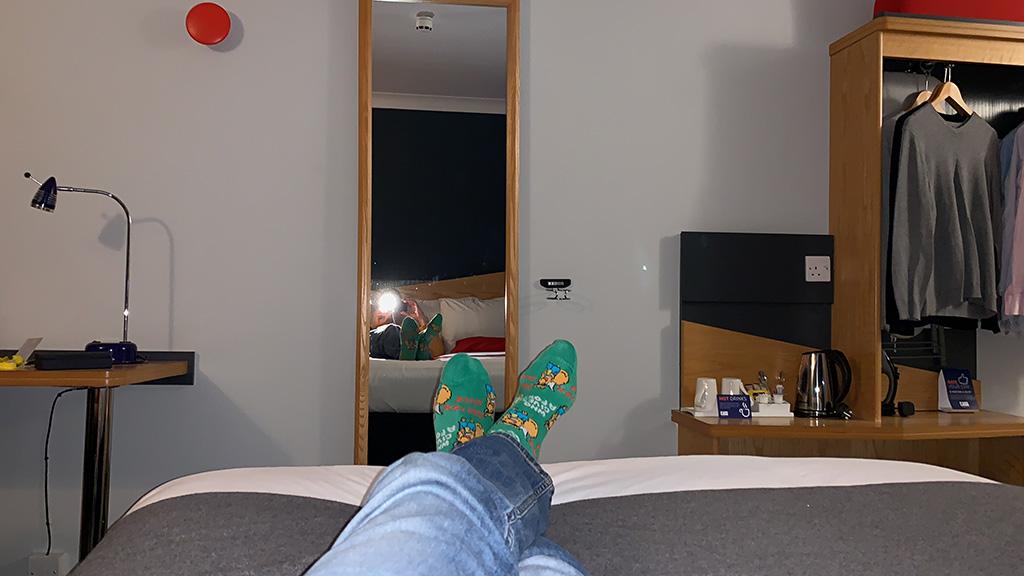
    Hotel room

    On June 20 of this year I attempted to write my life story from 2011 onwards, covering the happiest, most successful period of my life and the pinnacle of my career – doing a tech startup accelerator program in Cambridge with a cohort of incredible people – and the subsequent reasons why I stepped down as CEO, separated from my wife, sold my house and settled my acrimonious divorce.

    I wrote 10,000 words in a non-stop brain dump. Once I started I couldn’t hold back – the words flooded out onto the page.

    It was supposed to be succinct. It was supposed to be a simple set of bullet points.

    It turned out to be a lot harder than I thought, to write down even the first part.

    Part two has a lot to cover:

    • Homelessness
    • Hospitals
    • Police
    • Drug addiction
    • Psych wards
    • Suicide attempts
    • More banking jobs
    • More IT projects
    • Moving to Manchester
    • Moving to Wales
    • Several relationships and breakups; love and loss
    • Psychosis
    • Self medication
    • Alcohol
    • Depression
    • Anxiety
    • Boredom
    • Financial problems
    • Near-bankruptcy
    • Salvation

    I’m not going to write part two in the same way that I wrote part one.

    That was 6 months ago. This is now.

    A lot can happen in 6 months.

    As a quick recap, here are the problems I’ve been trying to tackle this year:

    • £54,000 of debt
    • Homeless
    • No job
    • No car
    • Single
    • Addicted to prescription drugs: sleeping pills, tranquillisers and painkillers
    • Alcohol abuse
    • Depression, anxiety and bipolar disorder

    As if those problems weren’t enough, in June I had relapsed onto supercrack. I’d been working but I’d lost my job – through no fault of my own – and I was in no hurry to get another one, because my addiction had returned with a vengeance. I was in a place with no family and only a handful of friends, none of whom were equipped to deal with my clusterfuck of issues. I was more-or-less alone, except for the people who I try to connect with on a daily basis through my blog, Twitter, Facebook and other digital means.

    I came up with the title “No News is Bad News” because it’s usually true. I came up with that title, because a period of silence on my blog is usually cause for concern. It’s usually time to start phoning round the hospitals to see if I’ve been admitted. It’s usually time to start worrying if I’m dead or dying.

    Back in June – 6 months ago – the title was very apt, because I hadn’t been online for a while. Losing my job had completely destroyed my hopes of dealing with the mountain of issues I was facing. Losing my job had wrecked my plans for recovery.

    Today, my world looks very different.

    I can’t tell you too much – because it’s private – but I’m writing from the comfort of my girlfriend’s bed. Her bedroom is very pink and girly. She just brought me a plate with a generously buttered thick slice of toast and a glass of orange juice, which I am eating in bed. I’m getting crumbs in the bed and greasy finger-marks on my laptop.

    I’m no longer living out of a suitcase in a hotel and eating in the same gastropub every night, sat at a table for one. I’m unofficially co-habiting. We only met a few weeks ago. The relationship is going fast. Too fast some might say.

    I kiss my sweetheart good morning and wish her a good day as I depart for work. My journey takes no more than 15 minutes when the traffic is kind to me. I’m finding it easy to get up in the morning. I don’t dread lonely evenings in a bland hotel room. I don’t dread the unsustainable interminable monotony of miserable days in the office, and miserable evenings spent alone.

    I’m going too fast though.

    I’m working too hard.

    It takes vast quantities of alcohol, sleeping pills and tranquillisers to prevent me from working 12 to 14 hour days. It requires a huge amount of effort to stop myself from working at the weekend. I’m desperate to achieve results as quickly as possible, because the finishing line is within sight.

    It could be months before I’m well-and-truly out of the danger zone and enjoying some long-overdue financial security. It’s definitely going to be a long time before I get truly settled at home and at work. I need to decide where I’m going to live and what I’m going to do for a job, on a more long-term basis. At some point, my good luck is going to run out and I’ll be forced back into living out of a suitcase, maintaining a long-distance relationship, and having to face the anxiety and stress of proving myself in a new organisation, with a new set of work colleagues.

    Mania has arrived. There’s no doubt about that.

    My manic energy has been ploughed into my day job, instead of my new novel. I worry that my work colleagues have noticed that I’ve completely obsessed by my project. I worry that the undesirable accompanying behaviours – irritability, rapid and pressured speech, arrogance and delusions of grandeur – will become so hard to hide in the office that I might be forced to disclose my bipolar disorder to my colleagues, in the hope that they’ll be sympathetic.

    My blog has been neglected, along with my friends.

    I work too hard. I’m moving ‘too fast’ in my new relationship – the “L” word has been used and she has given me a key to her place. We’re going on holiday together. All my original problems are still there, to some extent. I need to decide where to live, pay off my outstanding debts, drink less, quit the sleeping pills and tranquillisers, get my mania under control.

    What else can I tell you?

    I can’t try to tell you too much all at once, even though I desperately want to. I want to sit down and write 10,000 words without taking a single break. I want to pour my heart out onto the page and tell you everything, but I’m trying to pump the brakes a little bit. I’m trying to be a little bit sensible, even though I’m clearly going too fast.

    It feels like the week-long hiatus from blogging was not bad news. Perhaps it’s good news? No. It’s not good news. I’m not looking after myself. I’m not managing my bipolar very well. I’m allowing myself to become manic, for the purposes of achieving ‘great’ things at work. It’s exciting to be manic after so many months of depression and misery.

    It would be a good idea for me to resolve to resume my daily writing, but I’m wary of making unrealistic promises. Today, I’m coming to terms with the fact that my 3rd novel remains unfinished, when I had hoped to have completed it yesterday.

    That, ladies and gentlemen, is my present situation in a nutshell.


    Tags:

  • Stash

    This is a story about drug dependency…

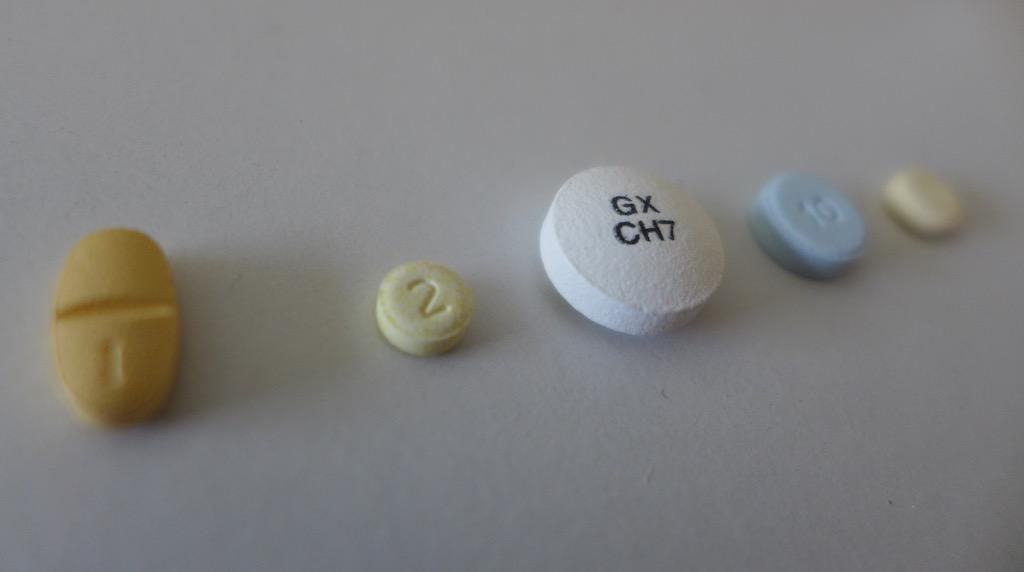
    Pills

    This is how I function. This is how I normalise myself. This is how I comply with society’s demands. This is how I cope with social jet-lag. In our fit-in-or-fuck-off culture, this is how I conform. These are my crutches. I might appear functional and unimpaired. It might be somewhat insulting or offensive to describe myself as struggling in any way – perhaps I should instead talk about my wealth and privilege and acknowledge that since being born with a silver spoon in my mouth, my life has been uninterrupted gilded luxury; I’ve never known pain; I’ve never known suffering.

    Think about the starving African children.

    I comparison with the 8 or 9 bottles of red wine I was consuming every week – drinking alone – my use of a few sleeping pills and tranquillisers seems relatively safe and healthy.

    This is all I have left.

    I’ve had to eke out my dwindling supplies for far longer than I’d expected to. My opportunities to “re-up” have been constricted and constrained. I’ve been forced into drug withdrawal, which mercifully has been bearable because of my successful rationing strategies.

    Insomnia has been the price I’ve paid for economising; suddenly cutting back on the medications I’ve become dependent on. Hypomania has been a very real and tangible consequence of the brain chemical destabilisation.

    Perhaps I shouldn’t meddle with my mind? Perhaps I should put my faith in the medical community? Perhaps there are people who know what’s best for me?

    Ironically, I’m using these medications – obtained on the black market – to plaster over the cracks and blend in with the very people who are specifically tasked with deciding what’s best for you. I’m a member of the paternalistic elite. One should always remember that the people dishing out the advice and prescriptions are just as fucked up as everybody else.

    My hypomania constantly threatens to boil over and create a disaster. My hypomania is a constant threat to all the health and wealth I’ve managed to accumulate this year. My hypomania is almost impossible to conceal, constantly attempting to sneak out from under the cover and camouflage I’ve carelessly draped over it, in the hopes of it being ignored and not talked about by my discreet, polite and extremely civilised colleagues.

    Unable to sufficiently bludgeon my brain into submission to society’s demands, using powerful psychiatric medications, my mask slips.

    Exhaustion from the toll of 11.5 consecutive months desperately attempting to re-enter civilised society has reduced me to surviving on my instincts. I speak without thinking. It is only my well-practiced and well-rehearsed routines which allow me to continue to appear functional, when my mind has crumbled and descended into outright insanity internally. If I could only sit mute in my office chair at my desk, I would be fine, but unfortunately stuff pops into my head and pours out of my mouth before I have a chance to hold my tongue.

    My medication dependency is a cruel mistress. My anxiety skyrockets in the late afternoon and evenings as my short-acting tranquilliser wears off. My insomnia robs me of refreshing and energy-replenishing sleep, leaving me almost paralysed by panic attacks about the simple task of getting out of bed, having a shower, getting dressed and going to work. Unless I take the right amount of pills at the right time, my mask of sanity quickly slips. The illusion of a functional productive member of society quickly evaporates, the moment that I skip a dose or start reducing my medication.

    Of course, I’m hopelessly dependent. I admit it. So what?

    My life revolves around my regular medication doses. So what?

    Doesn’t anybody’s life revolve around cyclical things? Life and death, sunrise and sunset, summer and winter, weekdays and weekends, work and leisure, awake and asleep, hungry and satiated, horny and spent, love and loss. Some of the cycles are societally and culturally enforced to remain the same year-round, when it’s clear that it’s unnatural. Why the hell don’t we sleep more in winter, when the days are shorter? Why the hell don’t we sleep more when we’re tired? Who the hell invented the fucking alarm clock and the 9 to 5 office job anyway?

    I am quite literally tyrannised and oppressed – abusively coerced – into compliance with health-damaging social rituals, lest I be excluded from society; marginalised. It’s in my rational economic self-interest to comply, but it’s in the interests of my mental health to refuse to comply. Non-compliance will be met with harsh and intolerable economic sanctions.

    Of course I seek out and consume the pharmaceuticals which ‘normalise’ me and allow me to cope; to function.

    You might be surprised that I’m a junkie who needs his fix so that he can work a boring office job. You might think that junkies take drugs to feel pleasure and otherwise get high, but my drug dependency is mandated by the otherwise unbearable awfulness of the 9 to 5 grind.

    You might think that people get rich off drugs by selling them. You might think that drugs will ruin your life, my drug dependency has been a mandatory part of repairing my life. Do you really think that it’s humanly possible to achieve the kind of comeback – the recovery – which I’ve managed to complete during the past 11.5 months of turning up at the office and acting normal, without access to the full range of pharmaceutical options?

    I’ve done the impossible: gotten off the streets, where I was sleeping rough, gotten out of the hostels, gotten off the terrible drugs, gotten out of the psych wards, repaid unimaginably huge debts, got myself a place to live of my own, got myself a respectable good job, held down that job, impressed my colleagues, delivered high quality work on time and on budget.

    You think that was possible without performance enhancing drugs? Are there laws that say I can’t use the very best of medical technology to allow me to function at my very best in a workplace environment? I’m not an athlete. I can use whatever the fuck I want and I have done.

    It might seem logical to presume that I must now have a massive drug habit, because I’ve leaned so heavily on unhealthy coping mechanisms to get me to the point I’m at today.

    I use the word “dependency” very carefully.

    It’s true that technically I am dependent on medications. It’s true that abrupt cessation of the 2 or 3 medications I use on a regular basis would be catastrophic for my career, my reputation, my finances, my stability and all the other things in the house-of-cards which constitutes my life.

    However, the doses I take are laughably negligible.

    Instead of being in a horrible mess, the dose which maintains me in a functional and stable state is totally reasonable and acceptable. The problems I’ve stored up for the future – by becoming dependent on medications for normal day-to-day functioning – are pathetically tiny insignificant problems compared with the goddam mountainous obstacles I’ve had to tackle to get this far.

    It concerns me that my stash is now critically low, because my whole happy healthy wealthy future hinges upon the continuation of the well-established routine for another 6 to 12 months, at the very least. If I can carry on with my dirty junkie medication dependency for another 18 months I will be rich as fuck compared to the struggling masses, which would be an unexpected result for anybody who’s been brainwashed to believe that junkies like me are no-hope losers.

    I don’t go to the doctor. I don’t have a psychiatrist. I don’t have a psychologist. I don’t have a community mental health team (CMHT) or a crisis team. I do what the fuck I want.

    My experiments with being completely medication-free earlier in the year were a total disaster. I do hope that one day I’ll be able to quit the pills, but I don’t see how I’ll ever be able to do when my health needs directly contradict capitalism’s need to exploit me as an expendable commodity. There is a fundamental incompatibility between human needs and corporations’ needs. There is a systemic inability to cope with anybody who deviates from the top of the bell curve.

    I’m different, and I no longer expect society to accomodate me. I accept that I must alter myself – with pharmaceuticals – so that I can accomodate society’s inflexible demands for homogeny and conformity.

    I swallow a sleeping pill so that my social jet-lag is medically corrected. I swallow a short-acting tranquilliser so that the existential dread of working a pointless bullshit meaningless office job is bearable. I’m not overjoyed or happy to be doing it. In fact, I’m not happy at all about any of the situation. It would be fucking weird if I was artificially happy all the fucking time, because there’s not a lot to be happy about during the death-throes of late capitalism.

    You know what makes me happy? Spooning. Kittens. Holidays. Sex. Dreaming about going to live in a cabin in the woods. Delicious food. Binging on mindless entertainment. Extreme sports. Writing.

    Should I be attempting to live the dream? Should I be trying to have it all? Should I mix work and pleasure?

    Yes, I’m going to do all those things but you have to pay to play and it costs a fuckload of cash to make dreams come true.

    I’ll leave you with this quote:

    “The power of inclosing land and owning propriety, was brought into the creation by your ancestors by the sword; which first did murther their fellow creatures, men, and after plunder or steal away their land, and left this land successively to you, their children. And therefore, though you did not kill or theeve, yet you hold that cursed thing in your hand, by the power of the sword; and so you justifie the wicked deeds of your fathers” — A Declaration from the Poor Oppressed People of England, Gerrard Winstanley

    It’s up to the reader to decide whether I’m a Lord of the Manor, born into wealth and enjoying inheritance from my ancestors who plundered and stole. The fact that you’ve persevered reading this text in English using a computer or smartphone puts you into a certain socioeconomic set and suggests a level of academic achievement, which might suggest you might have benefitted equally from “the power of the sword” although you did not “kill or theeve” yourself.

    All I can say of myself is that I’m trying to play by the rules in a rigged game. Nobody said I wasn’t allowed to use performance enhancing drugs. This isn’t sport, it’s survival.


    Tags: