depression – Page 2 – Nick Grant

Tag: depression

  • World Mental Health Day

    This is a story about wanting to die…

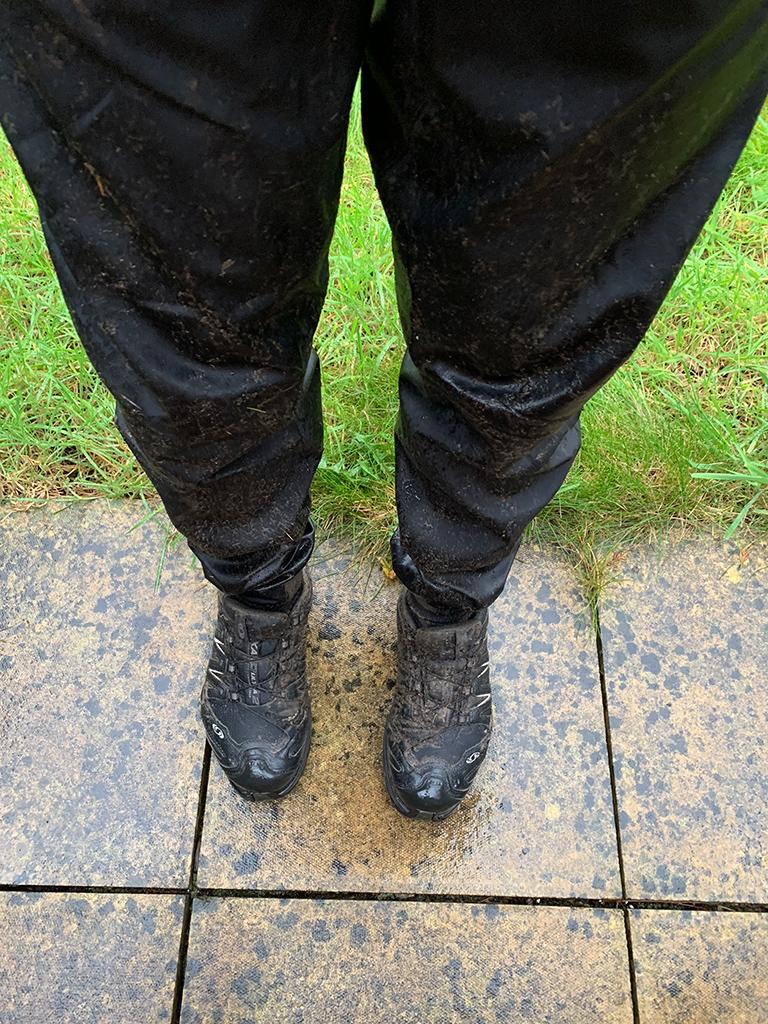
    Muddy feet

    I’ve wanted to commit suicide for years and I’ve made several attempts, all of which have ended up with me in hospital, either in intensive care, and or high dependency, for weeks… months and months if you add up all that time. You might say that you think that I don’t want to die, because I haven’t succeeded [yet] and you would be correct: I want to want to live; I want to not want to commit suicide. But I did want to die and I did want to commit suicide. When I came out of a coma in intensive care in hospital, a doctor asked me if I was pleased that they saved my life. Honestly, I was not pleased at all.

    More often than not, depression – as a mental illness – has no rational explanation. Grief and other circumstantial depression, although devastating, can be explained with relative ease; can be well understood. Stranger, it seems, is depression where the cause is not so immediately obvious.

    Examining my own depression and wish to commit suicide, we can see a number of obvious circumstantial problems:

    • Estranged from family
    • No social support network
    • Very small number of close friends, none of whom live nearby
    • Enormous debts
    • Single
    • Can’t remember the last time I had a hug
    • Boring, unrewarding and unchallenging profession [at times]
    • Physical illness, making me unable to work [at times]
    • No [realistic] prospect of escaping my predicament
    • No hobby/passion
    • Isolated, hermit-like existence
    • Troubled past; guilt, shame and regret; some bitterness

    So, if we take all of that in aggregate, it seems like no wonder that I would be suicidally depressed, discounting even the irrational and almost-impossible to explain depression, which inflicts so many people whose lives do not have these problems (although they might have their own set of problems).

    Let’s revisit my circumstances, today:

    • Money in the bank; savings
    • No debt
    • Plans to see my sister and niece
    • Two friends who live nearby, although one is locked down due to COVID-19, so we can’t meet
    • Rewarding and challenging work
    • Well-paid work; feel respected and valued
    • Physical health is OK, just a little unfit
    • Have managed to escape enormous debts, and become debt-free, against the odds
    • Have a hobby/passion: mountain biking
    • Leave the house to go mountain biking

    Okay, so there are still some areas which need improvement but it’s an incredible turnaround from my situation, which I’ve had to endure for years. I have to pinch myself to see if I’m dreaming. Nobody should have been able to escape from the homelessness, near-bankruptcy, crushing debts and the total destitution which I faced alone. It’s like I had my death sentence commuted; it’s like I received a royal pardon.

    The picture at the top is of my muddy feet. Nobody goes out in the mud and the rain, in the cold autumn/winter of the UK, unless they are in a good place in terms of mental health. I’m not saying that I’m ‘cured’ or even that I’m ‘happy’ but I’m making some real tangible progress. I have hope for the first time in years and years.

    My mental health is incredibly fragile. My ‘recovery’ (hate that word) is incredibly fragile. I have no idea whether my mood is going to crash, worse than ever, and I’ll be back to being suicidal. Every time I attempt suicide, there’s a very good chance I’m going to succeed. You might think that I’m just being melodramatic and/or attention seeking, and that I have no intention of committing suicide, and never did, which is why I didn’t succeed. If you like, I will share my medical notes from the emergency department and intensive care/high dependency: I didn’t succeed because I was incredibly lucky; for example, the medical team gave me about a 30% chance of survival, last attempt. The time before, I had even less chance of survival. There’s no denying the truth: when I have attempted suicide, it’s not a cry for help, nor has it been ‘botched’ by me… it’s been pure blind chance that I’ve been discovered before I died. I’ve never phoned emergency services or phoned for help in any way whatsoever; quite the opposite.

    So, on World Mental Health Day, I’m really sorry for all the people in the world who are suffering. I feel your pain. I share your pain. It makes me very sad that mental health problems are so prevalent in the world. I wish we would do something to help improve the circumstances of people’s lives, because that can make a huge difference. Instead of giving trillions of dollars/pounds in bailouts to banks, we should be giving each and every family a life-changing amount of money, so that they can afford to live without debt, in secure housing, and not have to work shitty soul-destroying jobs; we need the time to connect with our community and maintain a social support network; to make [and keep] friends.

    Look after yourselves today, and every day. Email me if you’re feeling suicidal.


    Tags:

  • Profligacy

    This is a story about out-of-control spending…

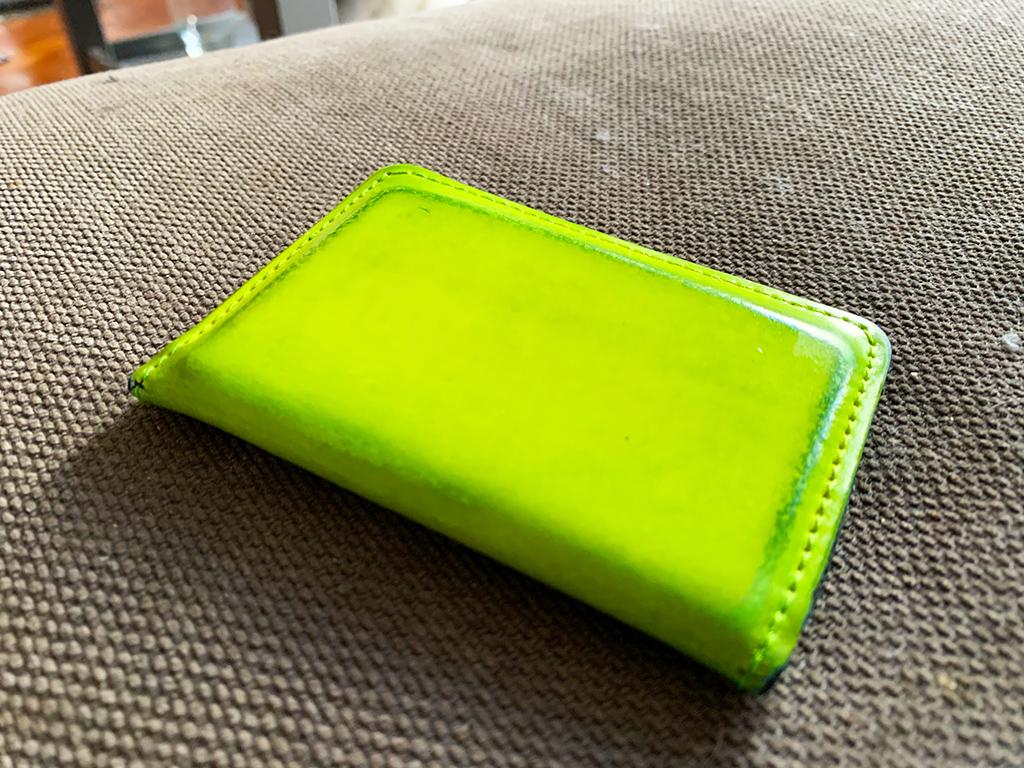
    Wallet

    This is my wallet. It doesn’t contain any cash. In fact, it doesn’t contain very much at all. It’s very thin, although not as thin as my favourite wallet, which unfortunately wore out. I like having a thin wallet.

    My wallet contains a ‘debit’ card for my personal account (known as a checking account in North America, I think), a ‘debit’ card for my business account, and two credit cards. Also, I keep my drivers license as photo ID, and some stamps, in case I need to mail anything. So, that’s 4 bank/credit cards and a card-sized driving license: 5 cards in total. That’s all I need.

    Sure, I need a little cash from time to time. Frustratingly, I had used the small amount of cash that I carry to pay for something, when I needed to pay the guy who cleans the windows in our street, so I had to live with dirty windows for a little while longer than I would have liked to.

    Cash tends to stay in my pocket for so long, that often it ceases to be in common circulation: the UK is replacing all of its ‘paper’ banknotes (they were actually more like a kind of fabric, but that’s just a geeky fact for you) with ‘plastic’ ones. The UK is probably the world’s number one place to launder money, so of course we need to have wipe-clean waterproof money.

    Anybody who’s used a plastic banknote to insufflate a powdered substance into their nose – not me, obviously – will tell you that the new banknotes will damage the delicate membrane of your nose and cause it to bleed, quite often. However, at least you can wipe the blood off. Paying for stuff with bloodstained banknotes is rather embarrassing (but not the reason why I don’t carry much cash – I just don’t need/use the stuff, for any purpose).

    If you’ve followed my blog, or you know me as a close friend, then you’ll know that I’ve suffered from depression which has been quite relentless and uninterrupted; interrupted only by suicide attempts, I should probably add. My will to live has been long absent.

    I was starting to give up and abandon all hope of surviving for more than a few more months. I was certain that if Christmas didn’t kill me, like it almost did last year, then I’ll certainly die in April or May next year. Basically, I could see no future for myself; no point in suffering any longer.

    Then, I had a great idea: I’ll buy a really fancy gaming computer, so I can play driving simulators, flight simulators, turn-based strategy games on a big monitor, and retro console games… generally get into gaming in a really big way.

    But.

    It was not a good idea.

    Part of the reason for my depression, is because I’m home alone, in front of a screen all day. Part of the reason for my depression, is because of my sedentary lifestyle. Part of the reason for my depression, is that I lack real-world social interaction with people.

    In short: the gaming PC was a bad idea.

    But.

    Then I had a really great idea, which was to buy a mountain bike.

    I mean, I already have a mountain bike, so why would I buy another one? The mountain bike I have is the best that money can buy (to me at least) so why would I buy another one, if I couldn’t buy a better one?

    Good question.

    Mountain biking is hard work. I used to be young, skinny and fit, but now I am old, fat(ter) and unfit. I am by no means obese and I am by no means so unfit that I can’t do exercise, but my health and fitness have been grossly neglected during my interminable depression, as well as during lockdown, which made things even worse. I did try to finish the lockdown fitter, thinner and generally healthier than when I started, but, it was very hard. The best I managed to do, was to stop the rot, a little bit.

    Pedalling a mountain bike uphill is hard work. You have to move the weight of the bike, the equipment, your clothes and your body, uphill. My super nice mountain bike weighs 24 pounds (11kg), my equipment could be zero I guess, if I was going for minimum weight, my clothes, including shoes, could be as little as 4 pounds (2kg)… but the heaviest thing is me. I weigh at least 22 pounds (10kg) more than I did when I used to ride my mountain bike regularly. So, basically, if I was to ride up a hill, it would be like me riding up that hill with a whole extra mountain bike on my back. Plus, I’m unfit too.

    So what’s the solution? Lose weight, right? Catch 22.

    The best way to lose weight is to exercise, but if your favourite form of exercise – mountain biking in this case – has gone from something which is difficult but enjoyable; rewarding… into something which is so exhausting that it will destroy you to just go up one single hill, then the barrier to entry is too high.

    What did I do? I bought a mountain bike which assists with my pedalling, to make it feel like I’m 22 pounds lighter. In fact, the mountain bike I bought can also assist with the pedalling so much, that it’s like I’m young and fit too! Of course, I still have to pedal, and that still requires energy, so I’m getting the exercise I need to lose weight and to get fit again.

    What I also did was buy a bunch of other stuff: waterproofs so I can go out in the rain, super-padded underwear to protect my ass (because it got soft since I didn’t ride a bike for a long time) and a whole bunch of other really expensive stuff. Could I have done without that stuff? Sure. I guess I could carry a heavy mountain bike for miles and miles because I got a puncture. Sure. I guess I could get soaking wet, because it’s autumn now and will soon be winter. Sure. I guess I could get run over by a car on the way to/from where I’m riding, in the dark autumn/winter bad weather. For sure, I could have avoided getting that stuff and said “I’m not going out on my bike today, because it’s raining/dark/I’ve got a puncture or whatever”.

    You bet I’m worried that my spending is out of control. I spent a whole month’s income.

    Every. Single. Penny.

    Like, no money for rent, no money for food, no money for bills, no money for transport… no money for anything except my bike, and the stuff to go with it. I spent every single penny of last month’s ‘wages’.

    So, am I stupid? Am I rubbish with money? Am I a lost cause.

    Well, I wanted to commit suicide for a very long time, but now I’m just excited about riding my bike; now I’ve got a reason for living again. I’m not sure how long that’s going to last, but money really can buy happiness, it seems; or at least money can get rid of depression, temporarily. Maybe, like a drug, the depression will only go away for a really short time and I’ll have a terrible hangover/comedown. I expect that’s true, but let’s not be too hasty. Last time I did something like this, I got fit, healthy, happy, more social, more attractive athletic body, identity, self-esteem, and I had a lot of fun. Let’s wait a while before we start calling me stupid for doing this.


    Tags:

  • Electronicat

    This is a story about technical stuff…

    Electronics

    Of all the hobbies I thought about getting into, most of them were sedentary; indoors. I thought about getting some kind of retro games console. I thought about getting a new games console. I thought about getting a gaming PC. Then, I thought about maybe doing something really geeky. I started looking into software-defined radio, with the intention of making a home-made radar, perhaps, or doing my own mobile phone base station. All of this, I decided, was expensive and wouldn’t help me with my need to get outside and exercise.

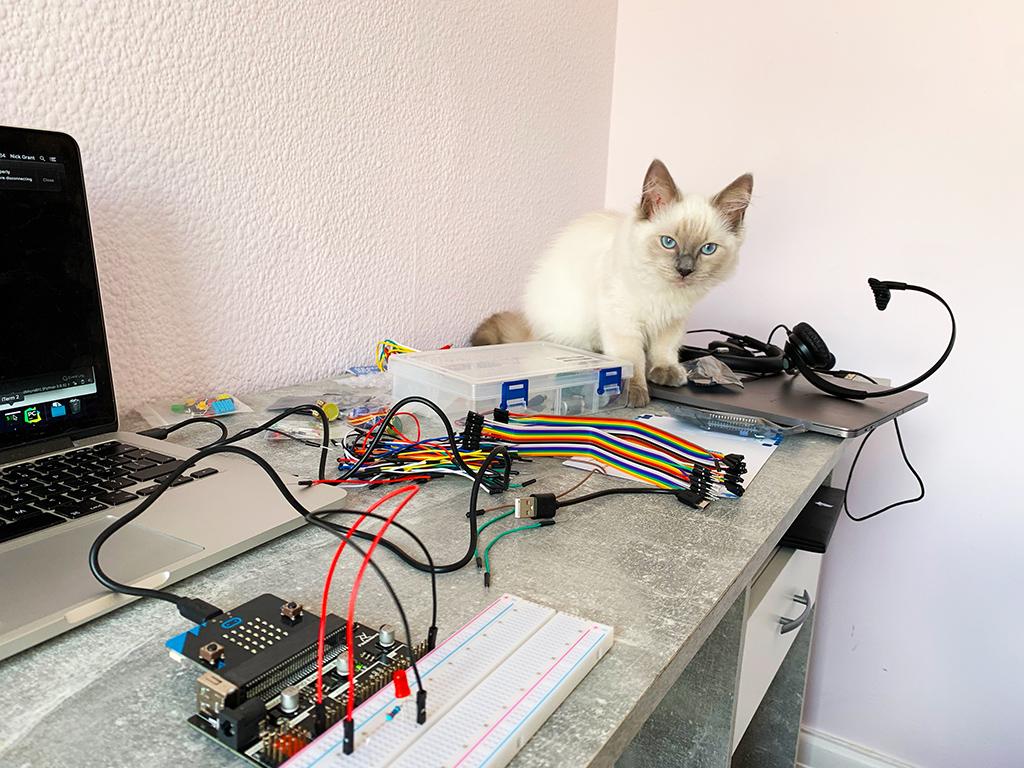
    I did some of the projects on the cheap. I managed to turn my 5 year old laptop into a pretty decent retro console, with nothing more than a cheap game controller pad. I got a whole buttload of electronics experiments I could do with a super cheap tiny little computer (pictured). I managed to make a home-made sonar. Not quite radar, but not too bad for a bodger.

    Still, I found myself spending most of my time looking at a screen, indoors.

    Also, although the projects have provided some intellectual challenge, they haven’t really opened up any social avenues. I’m sure that if I got really involved in – for example – the software defined radio community, online, then I would kinda get ‘social’ contact out of that, but I already get more than enough online social contact. The thing I’m missing is real world social contact.

    I know from past experience that when I’ve done something ridiculous, like suddenly deciding to get into kitesurfing, it’s taken my life in a brilliant direction. I’ve travelled the world, in search of the best wind and waves, and made lifelong friends along the way.

    My life is very nice – enviable – in a lot of ways. My beautiful cat keeps me company, and she likes company too; always wants to be nearby, getting involved with everything I’m doing, which is not always ideal when working on a microelectronics project, for example. For sure, I have options and opportunities which a lot of people can only dream of.

    However.

    I am also more socially isolated than you can possibly imagine. Estranged from my family, far from friends, without a support network. The litmus test is this: if you’re hospitalised for a major medical emergency, who’s there for you? I can answer that question. I can answer that question very well, and the answer is not good, although mercifully I did have a work colleague and a friend who happened to be visiting from abroad, who were kind enough to visit me, hooked up to a dialysis machine for 4 hours a day; a hospital stay of more than 2 weeks; a medical emergency that pretty much nearly killed me.

    That’s not a dig at my friends, of course. They’ve become used to leaving me sleeping rough or otherwise homeless. They’ve become used to leaving me in hospital, dying, alone. That’s fine. I’ve come to terms with that.

    I do have some VERY good friends. I am lucky enough to have one or two friends who would help me, if I asked. The rest… I’m not sure if I can even call them friends… more just people who I used to know, but now they’re just strangers who I happen to see updates from on Facebook. They might as well be celebrities who I read about in tabloid newspapers or gossip magazines.

    This wasn’t supposed to be a dig at my acquaintances [former friends]. This is about what I’m doing to sort my life out, to make it bearable.

    Possibly, by getting back into mountain biking, I have opened up the possibility of making some friends and building a support network; having a social life. We’ll have to see. “Social life” might just be something which I’ll never regain; I’m too old to be able to [re]build one now, having lost my old one. Anyway, I remain optimistic.

    For the first time in forever, I felt motivated to start to plan for the future, in a way that’s not just planning for my suicide. I’ve been planning what to do when my backside isn’t so sore, and I can ride my new mountain bike again – where am I going to go?

    Suddenly, winter doesn’t look quite so bleak. I have good winter clothes and a reason to be outdoors, in the wind, the rain, and the mud. Not many people have the strange twisted kind of brain that I do, where I love extreme weather: keeps the fair-weather tourists away. On the bike ride I went on, on Saturday, there was not a single other soul on the mountain. I’d hardly describe it as “perfect conditions” but in the forests around the summit of the mountain, I hardly noticed the rain; I was going to get covered in mud anyway. It was delightful; ecstatic; euphoric… to be hammering down deserted mountain tracks, without having to worry about crashing into anybody. A far cry from the queues to get into shops, which seems to be something that the ordinary folks are spending their time doing.

    Of course, everything’s more fun when there’s a social aspect, so I’m hoping to find some people to go mountain biking with, but people are already contacting me (which is unheard of) to arrange some biking trips, which is a good sign; a sign that I might get the healthy habits which I need in my life, along with a truckload of fun and adventure.


    Tags:

  • Second Lockdown

    This is a story about a broken record…

    Names

    What’s the exact idiom? A broken record surely wouldn’t play at all, so I always reject the idiom “broken record” thinking it must instead be “scratched record”. However, I don’t think we really use the idiom “scratched record” so I’ll stick with my original preamble, which was probably correct insofar as being a well-understood idiom, but literally wrong, like so many things in life.

    Anyway.

    I’ve been a bit of a broken record, meaning that I’ve been repeating myself a lot.

    I’m in lockdown, again. Last time I was in lockdown, I stopped writing because I didn’t want to drive myself and everyone else round the bend with my repetitive days; I knew that it would be a marathon, not a sprint, to the finish. The first lockdown lasted longer than almost everyone had anticipated, but I had psychologically prepared myself for it to last many months, so I was OK. I also anticipated that this second lockdown was a certainty, so I was psychologically prepared, except I haven’t taken the step of stopping writing.

    I was planning on having a totally sober October, as has been my tradition. Also, I was supposed to get a new mountain bike, so I could start getting fitter and shedding some korona kilograms: I’ve put on weight, having been more sedentary than normal, and also utterly devastatingly depressed about the lack of opportunity this year to have travel and adventure, like normal.

    I’m not sure I could stand the sound of my own voice – or my words – if I have to write for a whole month, sober and in lockdown. I might have to take a break from writing again.

    The world is pretty toxic to mental health at the moment. The impending US presidential election, the impending no-deal Brexit, the never-ending pandemic, the impending economic armageddon, the rioting… the lockdown of course, and the effect of being under the same roof 24 x 7 x 365.

    I find writing therapeutic, but what am I going to tell you about my present situation every day: it’ll be the same. Still need that mountain bike so I can go and exercise, still need to stay sober, still need to eat less, still working on an important project I can’t tell you about, still under lockdown, still depressed, still suicidal. It’s going to be groundhog day; repetitive.

    So, I’m warning you: if I keep writing and you keep reading, things might get pretty samey.


    Tags:

  • Agony Aunt

    This is a story about pen pals…

    Inbox

    I invited people to write to me, and they do. My DMs on Twitter and Facebook are full of messages from readers. My email inbox is full of emails from readers. This is good. This is what I asked for. This is what I got.

    I agonise a lot about whether it was the right thing to do, to write so candidly and brutally honestly about suicide. Some people would expect a massive content warning, trigger warning, or some other kind of disclaimer. Some people – including most responsible journalists – wouldn’t even grapple with the topic at all. There’s a widespread fear that suicide is contagious, which is not a wholly unwarranted fear, given that suicide does seem to occur in clusters; there is fear of copycats.

    Being in touch with so many people who’ve read what I’ve written, is somewhat reassuring. Nobody is saying “I wasn’t going to kill myself, but now I am, because of what you wrote”. Of course, you might say that the ones who think that don’t get in contact, but that’s a preposterous idea. I have an ever-growing dataset, and almost without exception, people get in touch because they’re already suicidal.

    Of course, you might say that if I push just one person over the edge, that’s one too many. I agree. I’m not pushing anybody. If anything, I’m trying to nudge people back in the other direction. If they want to research suicide methods on the internet, they’re going to find the information they need. At least what I offer isn’t a dry step-by-step instruction manual. I’m genuinely just saying “yes, suicide can be achieved by these methods, and it’s OK to feel like you want to end your life, but I’m upset that anybody feels like life is not worth living; I feel like life is not worth living a lot of the time”… and that’s OK. I’m allowed to say that, because I feel it, and it’s not doing anyone any harm. I’m not trying to inspire or provoke anyone into committing suicide. People die in darkness and ignorance, not in a world of honesty and openness.

    Will I one day have angry friends and relatives contacting me to accuse me of being to blame for their loved one’s suicide? Probably, but they should probably ask themselves why their loved one was driven to searing the internet for suicide methods and other information on self-murder, instead of finding whatever they desperately needed from their loved ones. I didn’t invent suicide. I’m not in charge of suicide. I’m not telling anyone to commit suicide. I simply exist, sharing my own story, which people tell me is relatable, for those who are in crisis.

    Anyway, I’ve got to go… I’ve got emails to answer.


    Tags:

  • Emotional Burnout

    This is a story about stress…

    Beans

    We all experience periods of stress. Most of these are short-lived. There’s a natural limit to how much stress we can take, for a given period of time, before we have a breakdown.

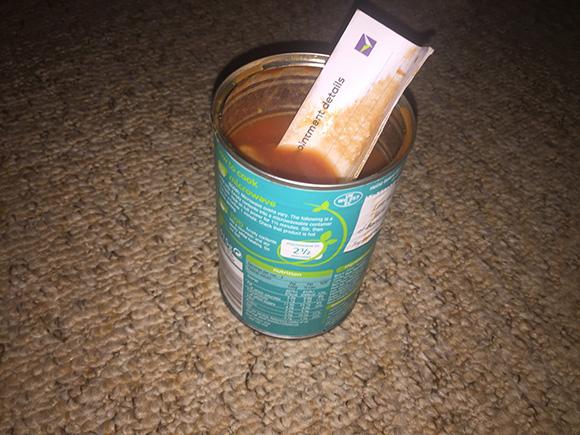
    This snapshot in time – eating beans directly out of the can using the business card of a lawyer specialising in mental health cases as a spoon – tells an interesting nonlinear story.

    We like our stories to be linear.

    I have no idea where to begin my story.

    If I start my story on the day when I first slept rough, I would say that things got worse before they got better. Sleeping rough was not “rock bottom” at all, and I find the whole notion of “rock bottom” to be ludicrous and unhelpful.

    If I start my story on the day when my homelessness ended, again, the arc of the story is complicated. Although I never slept rough again, I would say that my life was – at times – a lot worse than when I was no fixed abode; homeless.

    If I start my story on the day when I got myself into my latest period of employment, uninterrupted for 3 years as of today, then the photograph above is a confusing one. Why the hell was I eating uncooked beans directly out of the can, in the dark, using a business card as a spoon?

    I can’t think of any good time to start my story. This year started with a hospitalisation for kidney failure and a breakup. There is no time which I can point to and say “THERE!” to indicate the point where my life got steadily better and better.

    The problem with a precarious existence, is that it’s incredibly draining. I live in a hypervigilant, hyperalert, super focussed and energised state, where I haven’t been sick for many years, except to be hospitalised in a near-death state… although frankly I would have carried on working if I could. I just want to dig myself out of the hole.

    Perhaps I’ve done OK at times, allowing myself to have a few holidays in recent years, which has been awesome for my health and sense of wellbeing. The prospect of a sustainable life has seemed more within grasp, having granted myself the luxury of a few holidays, but also we must accept the facts: security continues to elude me, despite many years of hard work; my life still hangs by a thread.

    Thinking back to when I first escaped homelessness, the first time I recovered within a matter of months; unencumbered by debt or other problems. The second time, I seemingly bounced back quite quickly, although my finances never really recovered. The third time was bound to sink me – without a trace – but a few lucky breaks and I’ve been able to cling on by my fingernails for a few years… but I always ask myself “was it worth it?”.

    We shouldn’t underestimate the toll that the desperate attempts to regain stability, health, wealth and prosperity, have cost me. To live on the edge of losing everything, and being cast out from mainstream society, is an unbearable burden that nobody should have to endure; yet alone for years and years on end, unrelenting.

    Presently, the situation is particularly unbearable, because I am seemingly on the “home straight” where everything seems to be within my own power to succeed; the only person who can screw things up now is me…  or so it seems. In reality, it’s not like that. The demands of recent years are catching up with me. You can’t put a person under such extreme pressure for such a very long time, and not expect them to crack under pressure eventually.

    My worst fear – of course – is that I will crumble before I reach escape velocity. Many people feel this, but few have a story to rival my own.

    It’s strange. Seeing the finishing line is worse than when I was just plodding along with the vague hope that at some future point I might recover. Living eternally in a “nearly but not quite” state is unbelievably exhausting.


    Tags:

  • Get Help

    This is a story about treatment and therapy…

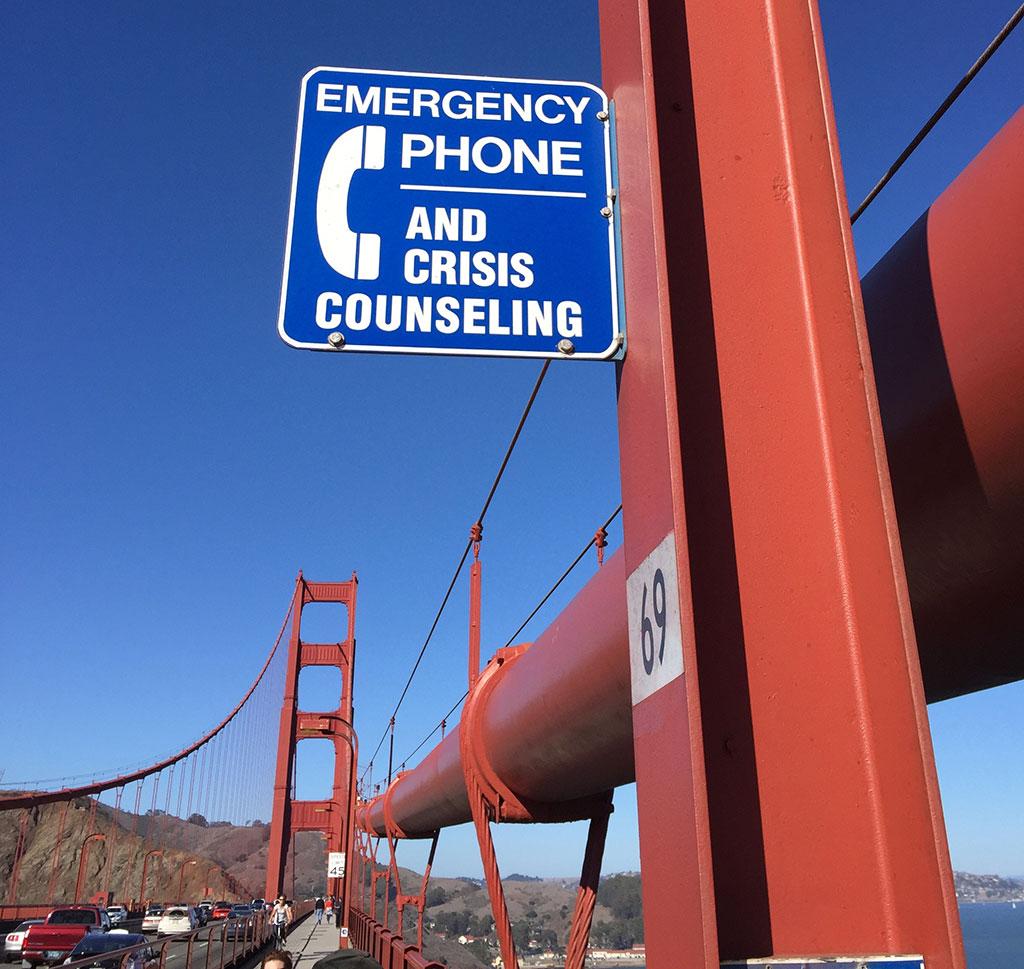
    Crisis counselling

    I write about my own personal experiences of depression, anxiety, suicidal thoughts, suicidal plans and suicide attempts, because that’s what I would want to read if I was in crisis. There’s a mountain of material on the web about the symptoms of mental illness, dealing with a crisis, coping with suicidal thoughts, counselling, crisis support, mental health teams, crisis teams, doctors, healers, witch doctors, shamen… and all the rest of it.

    It’s all been done to death.

    So, here’s what I’m doing: I write.

    I’ve tried absolutely tons of medications, and all of them have undesirable side-effects, and ultimately didn’t bring me a good long-term outcome. I refuse to accept that I simply haven’t found the right medication, at the right dose, in the right combinations: personally, I’ve exhausted that avenue, and found it to be a fruitless exercise. That’s not to say that medication won’t work for you, and you shouldn’t try it, but it didn’t work for me.

    I tried counselling and behavioural therapies. Nope. Probably OK if you’re just ‘a bit sad’ but if you’re reading this then you’re probably well beyond being ‘a bit sad’. That’s not to say you shouldn’t try therapy. Everyone’s different. However, for me personally, I don’t think 45 minutes a week is going to fix all my problems, sorry.

    It’s important to acknowledge, though, that following the treatment routes which have been resoundingly proven to be ineffective, can be a useful distraction which will eat up a few years of your life. Although I can say with certainty that the long-term outcomes are not attractive, in the short term, there’s a lot to be gained from the process of learning about all the different medications and trying them out: it’ll keep you busy!

    Also, we shouldn’t underestimate the power of having a kind non-judgemental person, listening to your traumatic story. Being heard is super important; super healing. Having somebody tell you that you did the best with the hand you were dealt, can be incredibly important, to forgive yourself and start to feel better about being unwell; not so guilty or broken.

    I write because it’s unlimited free therapy. Instead of only having 45 minutes a week with a therapist, my therapist – the blank page upon which I write – is available 24 x 7 x365, and I can spend as long as I want in a therapy session for free. The free part is not to be underestimated: therapy is really expensive (although it might be money well spent if it works for you). Also, the blank page is the world’s best listener: it never interrupts, misunderstands, disagrees, challenges, contradicts, argues or otherwise talks back, which is *perfect* as a therapist.

    Given that therapy is pretty much just guided introspection, there’s no reason why you can’t learn the techniques to explore your own thoughts and feelings, without a guide. Now I’m in the habit of sitting down in front of my blank page every day, I find it really easy to explore whatever’s bothering me, or to dig into baggage from the past… whatever I want – it’s my time and I’m paying for it!

    From personal experience, not professional qualification, I really urge you to write on a regular basis, therapeutically. It’s helped more than anything else I’ve tried, by far.

    Of course, we would all love to find an authority figure – a doctor or similar high professional status person – who we can put our faith in to ‘cure’ us and take care of all our problems, but the reality is that depression and anxiety are modern epidemics, and medicine has failed to provide effective treatment; the problems are getting worse, not better. Ultimately, we are – unfortunately – personally responsible for our safety and wellbeing. Much though I wish there was a magic person in a magic building with magic beans, like a doctor in a hospital with some pills, it’s turned out to be a massive disappointment… we’re on our own.

    Of course you should phone the crisis hotline if you’re on the brink of committing suicide. Of course you should go to your doctor and take their advice. Of course you should seek professional help. However, if – like me – you’ve tried all that and found it to be a dismal disappointment, then I imagine that’s why you’re here, right now, reading this.

    Try writing. It helps.


    Tags:

  • Dark Thoughts

    This is a story about storm clouds…

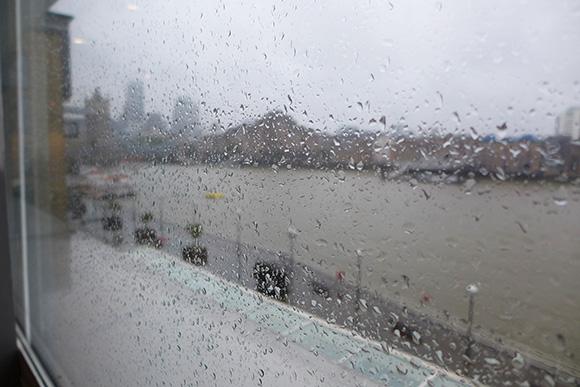
    Rain on glass

    I often assume that after a lengthy period without abusing drink, drugs, medication and other mind-altering substances, I’ll reap some rewards. I tend to think that a period clean and sober will bring good health, and in turn, that life will improve. It’s certainly true that drugs have brought nothing but chaos and turmoil into my life, making it completely unmanageable, as my mental health problems are exacerbated. Eliminating most psychoactive substances has certainly turned my life into something which looks – to the outside observer – to be stable, productive, functional and indeed, at times quite enviable. To all intents and purposes, I look, smell, sound and act like a normal member of mainstream society.

    Internally, there’s nothing to help me cope with the intrusive thoughts; the traumatic flashbacks.

    In the comfort of my own home, as I’ve already written about, I yell out, grimace and flinch, as I’m assaulted by all kinds of post-traumatic flashbacks. I have horrible nightmares. I suffer lengthy periods of skin-crawling agonising anxiety, where the hands of the clock are barely moving; it lasts for an eternity.

    There are no rewards for being clean and sober; only suffering.

    It’s unthinkable, lifting the lid when there’s so much trauma. It’s insanity to have it all hitting me like a freight train, every single second of every single day, even when I’m asleep.

    I like to think that my brain is mending itself. I like to think that by reliving those traumas, my brain is kind of re-organising itself and exorcising stuff. I allow myself to yell out, flinch and grimace, because it seems better to let it out than to fight it and attempt to suppress it.

    Thinking about it, there’s mountains of stuff. There’s an unimaginable amount of stuff.

    The memories – the bad memories – come thick and fast, intruding into whatever I’m doing, unless I’m really working hard; really concentrating on something. I have so few distractions that there’s plenty of time for my brain to throw a relentless torrent of terrible, dreadful, awful traumatic memories at me, which are so bad that they’re physically painful and cause me to cry out in shock.

    I don’t think I’d have been able to cope without medication, but now I’ve lost that crutch, it feels like I stored up years worth of terrible stuff without dealing with it properly. Now it’s all hitting me, seemingly all at once.

    I’m unusual, in that I’m one of the least psychoactively altered people – I don’t have any tea, coffee, coca-cola, fizzy drinks, nicotine, cannabis, alcohol or medication. I don’t eat, drink, swallow, smoke, inject, snort or otherwise ingest anything mind-altering. That’s very unusual. To give you an example, out of hundreds of people I work with, I’m the only one who doesn’t drink tea, coffee or other caffeinated beverages, and my teetotaling makes me even more unusual.

    As a friend said to me, quoting a popular Tweet: I’m raw-dogging reality.

    It’s really brutal. It’s really awful. I don’t recommend it at all. It’s not nice. In fact, it’s thoroughly unpleasant and intolerable. Don’t do it. It’s not worth it. It’s not healthy, it’s hell.

    Why am I doing it then?

    I have the unshakeable belief that I can achieve mood stability by avoiding all mind-altering substances, including the things we don’t usually bother to think about, like tea and coffee. I feel a lot more stable – mentally – having given up everything. I’m trying to regulate my mood by doing other things. I’m hoping that I develop some healthy habits.

    Certainly, after a couple of weeks teetotal, I have a lot more energy and enthusiasm; I’m a lot more active; I sleep better. These are not things to be sniffed at. Alcohol and depression combined to create a very sedentary lifestyle, which was horrifically damaging to my health. I was drinking myself to death, even though I appeared very functional and otherwise doing very well in life.

    So, I’m suffering the dark, horrible invasive thoughts, driven to find out whether my brain will eventually rid itself of the toxins and settle down. Certainly, there are health benefits, but I am suffering a great deal.


    Tags:

  • All The Suicide Methods

    This is a story about the control of information…
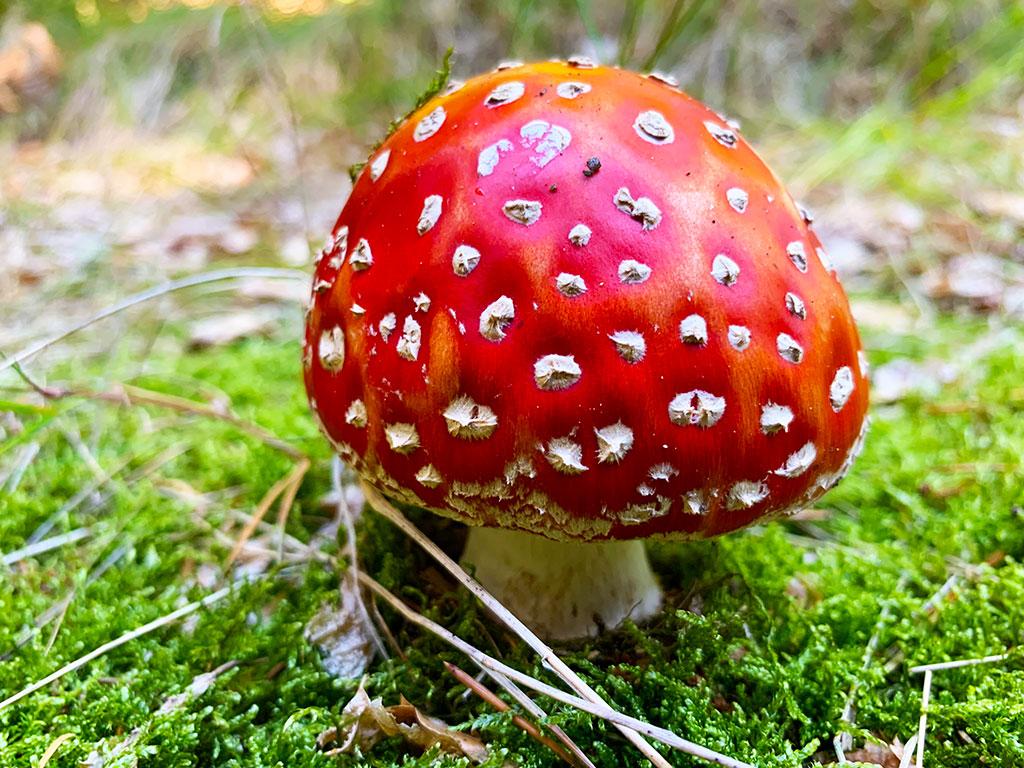
    Poisonous Mushroom

    As is often the case, something I have read or watched has prompted me to write. Today, I felt the urgent need to write about methods of killing yourself. I felt compelled to document every single method of committing suicide, which I could possibly think of.

    The reason why I would write this down is that the thing which most often draws visitors to my website is something I wrote about suffocation – asphyxiation – as a means of suicide. People also come who are desperately trying to cure themselves of their problems with mental health, alcoholism and addiction. People visit my website for all kinds of different reasons, but as a source of information on how to kill yourself, my site is one of many millions. Our libraries are full of books which explain in exquisite detail how people have ended their own lives, since we took pen to parchment, or chiselled runes into rock. For those who seek, they will find.

    I’ve noticed a lot of criticism of the owner/operators of forums where suicide is predominantly discussed, and prominent popular indviduals who have large social media followings have been criticised for their participation in the online discussion of suicide which has coalesced around their digital persona.

    We have to be very clear about something here: people need and want to talk about suicide. Making it a taboo subject, and ridiculous fantasies about book burning and the modern-day digital equivalent – banning websites – fails to address any of the underlying causes of why people take their own lives.

    People don’t kill themselves because they’re encouraged by others, online. People don’t kill themselves because they’re able to easily find the information about the methods of suicide. The reasons why people kill themselves are as complex as the individuals who end their lives prematurely, and to point the finger of blame is pointless; futile.

    While it might be true that we see ‘outbreaks’ of suicides which cluster together geographically, almost like a conventional viral, bacterial or parasitic infection, passed from person to person, this does not mean that newspapers, magazines, TV & radio stations and the modern digital equivalents, should never talk about suicides, or the methods. There is no evidence to prove that journalistic guidelines have in any way reduced the likelihood that fellow friends, classmates and other people in the vicinity of a suicide, will commit suicide themselves. We are missing the point: if one person in a particular area of the country, of a certain age, living a certain lifestyle, is compelled to end their life, then why should we be surprised that there are many others who are living on the edge too? It is absolutely untrue that the media and the internet is in any way shape or form responsible for pushing and/or prompting people to end their lives.

    We also have to answer the difficult question: is it ethical to force a person to live a miserable and unbearable life? Is it unethical to force a person to endure unending suffering?

    A documentary I was watching particularly annoyed me when a so-called expert came onto the program to say that suicidal thoughts are usually fleeting, and quickly pass; they essentially said that depression is temporary – in a particularly dismissive manner – and that we should shut up and put up with it. This made me furious.

    People don’t end their lives whimsically. Suicides are meticulously planned. The formation of the idea of killing one’s self is something that has taken place during years of terrible suffering. I say that it is unethical to act in any kind of way to prevent a suffering person from achieving relief from the terrible torments which they have decided are too unbearable. It’s their life at the end of the day. It’s selfish to ask them to keep living an intolerable miserable suffering-filled existence… for what reason? So that you don’t feel sad? Get over yourself. Get a grip. Have some compassion. Show a little empathy.

    I believe strongly that suicides are 100% preventable, and that we should aim for zero suicides – nobody should ever commit suicide. However, the solutions are well beyond the scope of this essay, and ask the reader to think the unthinkable, such as improving people’s lives, instead of fobbing them off with cheap anti-depressant tablets and abysmal “behavioural therapy” courses developed and delivered by a group of people with the collective IQ of a slug. The evidence is clear: suicide is the number one killer of men under the age of 50, and the suicide rate in young girls and women is growing faster than ever before. Yet, the approach remains unchanged: ineffective medications and ineffective psychological therapies. Also, the circumstances get worse and worse: youth unemployment soars, personal debt soars, global warming and climate change rages out of control, and the chance of having a fulfilling happy life diminishes by a vast amount every single day.

    —

    So, you came here for the good stuff, right?

    OK, here are all the ways you can kill yourself, separated into some different sections.

    Poisonings and Overdoses

    Almost every substance which a normal person can obtain will result in a slow and painful death. Anybody can find a poisonous mushroom or plant – such as deadly nightshade or hemlock – which will kill you, but it will be extremely unpleasant. It’s possible to purchase a large quantity of paracetamol, for example, which will easily cause fatal liver failure, but this is a particularly slow, painful and unpleasant death.

    Deaths by overdose are hard to achieve with so-called ‘safe’ modern medications. Your doctor is unlikely to prescribe you enough opiates to allow you to kill yourself, unless you stockpile your supply, and slow-release formulas can make it hard to commit suicide using swallowed tablets. Barbiturates, which are the number one choice of doctors who wish to commit suicide, are never prescribed. There are deadly medications, such as warfarin, but to obtain them is almost impossible.

    Were you able to obtain a poison such as strychnine or cyanide, your death would be surprisingly slow and painful. Potassium cyanide particularly, would not be a pleasant easy death, unless combined with a large dose of sedative and a painkiller, because it essentially induces a heart attack.

    Blood Loss and Other Trauma

    The body has developed very advanced mechanisms to cope with severe lacerations, and blood vessels will spasm and contract to contain loss of blood. The arteries are generally well protected by the anatomy which has evolved to keep us alive.

    Generally speaking, cutting the jugular vein(s) is a reliable method of suicide, but there are many variables: the blade must be sharp, the aim must be true, and the cut must be made with force and certainty. It’s more likely that you will end up with a profusely bleeding laceration than a lethal wound.

    Cutting one of the carotid arteries must surely be the most reliable way of killing yourself with a knife or razor blade, but detailed anatomical knowledge and a willingness to undergo immense pain, while conducting this surgery on yourself, makes the task almost impossible.

    Plunging a sharp object in-between your ribs and into your heart or one of the biggest blood vessels in your body will kill you very quickly, but the chance of you hitting your target is low.

    The Japanese Samurai favour disembowelment as an “honourable death”. Do not recommend.

    Self-immolation would be incredibly painful, and your death would be caused by suffocation: the flames would consume the oxygen from around your body, and your lungs would be burned so badly they would not function. Definitely do not recommend.

    Falls From Height

    Yes, these will kill you. There is a well documented case of a man who survived a fall from the Golden Gate Bridge, which is about 67 metres (or 220 feet for those who prefer imperial units). In rock climbing terms, that’s about 1 rope length, and there are lots of documented cases of rock climbers who have fallen from the top of a cliff and survived.

    This is all about the height, and the surface you’re landing on. Maximum height and solid landing surface = more certain death. I would say that 8 storeys or more, landing on concrete, rock or something similar like that, would guarantee ‘instant’ death. Bear in mind that you would need to jump and also endure the fall, which would both be very traumatic, but it would be a ‘quick’ death versus a poisoning or overdose, for example.

    Hanging

    Most people who have hanged themselves have died from asphyxiation, and have suffered an incredibly awful death. Death by hanging has a high success rate, but we should be mindful that the final period of that person’s life was unimaginably terrible. To asphyxiate elicits one of our most primal panic responses – the hypercapnic alarm response – and we know that many people who have hanged themselves have taken 30 to 90 minutes before they have finally expired. This is one of the most unpleasant deaths I can imagine.

    For a hanging to be a quick death, the neck should be broken or the body should be decapitated – either outcome achieves the desired outcome, which is a quick death. It would be advisable – although I advise nobody to commit suicide, of course – to err on the side of caution, and ensure that the ‘drop’ is sufficient to break the neck at the very least, and if decapitation occurs, then it’s far preferable to the alternative: a lengthy asphyxiation.

    Electrocution

    Most modern domestic and commercial electrical systems are fitted with systems to prevent electrocution, and as such you would be unlikely to be able to electrocute yourself by, for example, dropping an electrical appliance into the bath-tub while you were in it.

    In the interests of a full and frank exploration of all the available suicide options, I must tell you that it’s possible to obtain a lethal electrical current by simply removing the cover of your fuse box, where there are live parts which do not have the protections which you have throughout your house or other premises.

    Touching a live electrical conductor will hurt, a lot, but it won’t kill you. In order to kill yourself by electrocution, you must first grip something which is earthed – such as a copper water pipe or the earth clip for your house, usually marked with green and yellow striped insulation – and then touch the live source of electricity with your OTHER hand. Then, the electrical current will flow across your body, through your chest, and your heart will either be very badly damaged or at least enter ventricular fibrillation, where it is unable to pump blood, causing you to lose consciousness immediately.

    It’s possible that you might only receive a ‘mild’ electrocution, leaving you with very bad burns, tissue and nerve damage, but otherwise alive. For this reason, it’s probably inadvisable for anybody except a trained electrician to commit suicide using this method.

    Asphyxiation, Drowning, Suffocation etc

    As I wrote before, the hypercapnic alarm response, which is your body’s natural reaction to high carbon dioxide levels in your bloodstream, will cause incredible panic and suffering. As such, drowning yourself by attaching weights to your body and jumping into water, would be a terrible, terrible death. Do not recommend.

    To attempt to suffocate yourself, perhaps by putting a plastic bag over your head or other somesuch thing, would result in the elicitation of the hypercapnic alarm response and you would tear the bag off your head, driven by instinct. Your primitive survival instincts would override the neocortical modern brain, which we have unfortunately evolved, leading us to want to commit suicide in the first place.

    In order to asphyxiate in the manner which we would all wish to die, which is painlessly and peacefully, the solution is simple: we must breathe a gas which contains no oxygen or carbon dioxide. To breathe the gas from your oven puts your neighbours and firefighters at risk, because a gas explosion will be the likely result. Instead, a bottle of helium can be purchased inexpensively, for the usual purpose of filling baloons. Instead, the helium should be used to provide a steady supply of gas to some kind of ‘hood’ which you wear. By breathing an inert gas like helium, you will quickly lose consciousness and death will follow within some minutes, as your body and brain are deprived of oxygen.

    Other

    There are things which might work, but are more likely to cause you incredible pain and injury, such as injecting yourself with a bubble of air.

    You could obviously starve or dehydrate yourself to death, but this would be time-consuming and result in a slow and painful death, with much suffering.

    For those who live in places where firearms are easily obtained, I don’t know why you’re even reading this: if I could get hold of a gun I’d already be dead, I’m sure. That’s not to say that gun control is preventing my suicide; merely that there are easier ways to kill yourself in a country like the UK, but I foolishly have opted for methods which were unlikely to kill me, such as poison, overdose and cutting veins.

    The number of ways to cause your body a traumatic injury are innumerable, but an example might be to turn off the airbag on your car and then drive without a seatbelt at 100mph into a concrete pillar which is supporting a bridge.

    —

    As you can see, the options are multitudinous and you really don’t need me to list them. You already knew almost all this stuff, and if you didn’t, it was available on a million websites; it was one single Google search away.

    As for the charge that I am encouraging, endorsing, glamourising or enabling suicide in any way whatsoever, you are barking up the wrong tree. Look again at the suffering. Look again at the causes of that suffering. Look again at the options available to the victim of that suffering. If it was possible for a suicidal person to endure any longer, they would. If there was an easy option, like a magic pill from a magic doctor who lives in a magic building, then we would see suicide rates falling not climbing. The medical establishment claims to want to preserve life, and it claims to be empirical and evidence-based, yet all the evidence shows that medicine is failing abysmally to deal with the number one killer of men under the age of 50; the fastest growing cause of death of young girls and women. Medicine can f**k off – it’s had plenty of chances to do something about the suicide and mental health epidemic, but instead it has rested on its laurels and dished out useless pills, and allowed intolerable living conditions to grow, flourish and proliferate.

    If you think my article is somehow dangerous and irresponsible, I suggest you seek your first recourse with those who claim to be practicing so-called medicine, when all the evidence shows that the medications and treatments prescribed are entirely ineffective, and the mental health epidemic and suicide rate are the number one public health emergency, yet your doctor is doing nothing about it – they have their head buried in the sand.

    For those of you who came here looking for information on how to commit suicide, I empathise. I’ve attempted suicide several times. If you want to talk to somebody who lives with suicidal thoughts on a daily basis and has tried every conventional treatment you can possibly imagine, who won’t try to “talk you out of doing anything” or otherwise patronise you, my Twitter DMs are open and my email address is publicly available.

    If you’re suffering, I’m sad about that. I wish people didn’t have to commit suicide, but sometimes they do, because the suffering is too unbearable.


    Still thinking about killing yourself? Please read my essay on how to kill yourself.

    Want even more? Please read about why I am planning on committing suicide.


    Tags:

  • Emotionally Unstable

    This is a story about repeating patterns…

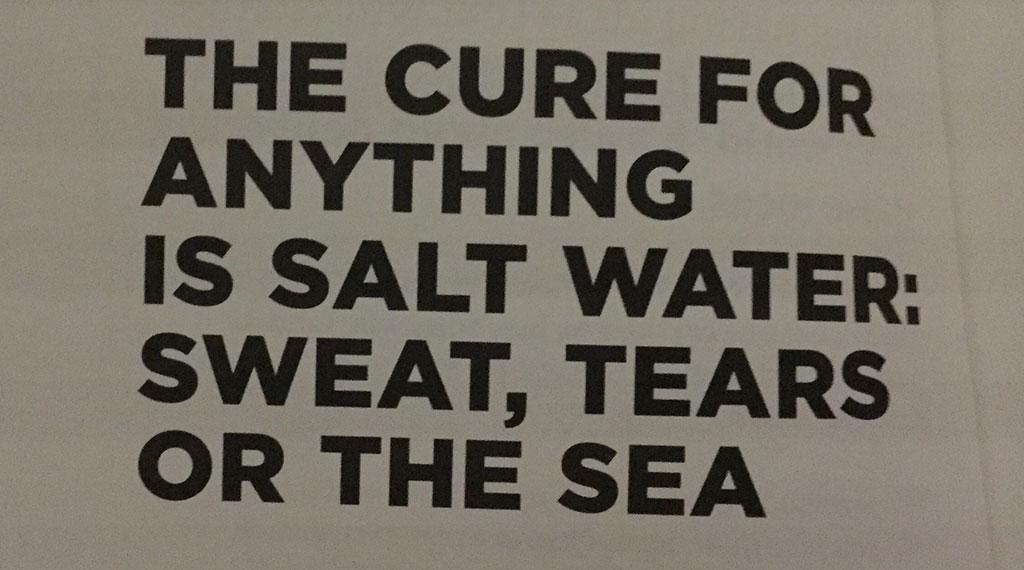
    Quote

    What am I doing? It feels like I’m making the same mistakes I’ve made a bunch of times before. It feels like I’m re-living 2015, and I didn’t like how things went that year, so I’m desperate to avoid making those mistakes, but I feel like my mood disorder has got me stuck in an inescapable pattern.

    Strictly speaking, I have two mood disorders: bipolar and seasonal affective disorder (SAD). The latter disorder means that I’m unable to escape a downturn in my mood as summer turns into winter, unless I head to warmer climate. The former disorder means that I’m prone to episodes of mania, which I always like to believe I’m in control of, because I enjoy the mania and find it immensely useful for creativity and productivity.

    Looking back to 2015, at the time I felt like I was enjoying playing a pivotal role in the number one project for the biggest bank in Europe. In retrospect, I was very unwell indeed. My behaviour was quite erratic and unpredictable and it’s kind of hard to pinpoint exactly why I feel like I was doing good work, now that I think about it. For sure, I helped bang some heads together and get things moving to meet some key deadlines, but I was definitely suffering very badly with a severe episode of mental illness, and I hadn’t been working on the project for very long so I expect my contribution was negligible. This is what gives me a great deal of fear that I’m repeating the same mistakes: that history is repeating itself.

    In 2015 I was working a lot of overtime. I was working most weekends. I was working extremely hard – long hours – and I had the additional pressure of moving house, given that I was homeless and living in a hostel. Also, it hadn’t been very long since I had been in a dreadful state, with my brain chemistry completely messed up. I had terrible insomnia. I was a big mess.

    Today, I have a house and a cat. My home life is comparatively settled, although I’ve had some relationship problems lately which have been very destabilising. My working routine is not too taxing – I have a short commute to the office, and the hours I work are strictly Monday to Friday. If I leave the office at 5:30pm, that’s a long day for me. In 2015 I was routinely staying in the office past 9pm, and often to 11pm, and then staying up all night writing emails, which was not at all healthy or conducive to good mental health.

    In some ways I feel that I’m in much better health than I was in 2015, and I stand a much better chance of getting through an incredibly stressful period at work without losing my mind. However, late on Friday I lost my cool at the office, and the emotions that have been bottled up started to come out, which wasn’t very professional. I started to speak my mind way more than I should have done, and I started to send off messages with a scattergun approach. I stopped approaching problems in a calm and methodical manner, and instead I acted with desperation and superstition. I was afraid that all my hard work was in ruins. Strangely, I thought I was dreaming; or rather having a nightmare.

    I suppose my sleep quality is compromised at the moment. Several nights a week I don’t sleep well because there’s a technical problem I can’t stop thinking about. My dreams are all about my work. In fact, my dreams are nightmares, where I attempt again and again to resolve the problems I left at the office. As soon as I wake up, I rush to the office to pick up where I left off.

    A colleague has mentioned in private that I should take it easy; not get so obsessed over the project. A colleague has correctly identified me as somebody who can make themselves sick through overwork – at risk of burnout; at risk of a breakdown. It’s good advice – that I should try to maintain some balance. Becoming obsessed by work is very unhealthy.

    Yesterday, I left a rambling garbled and emotional voicemail for a colleague, begging them to let me do something over the weekend. I spent time trying to find colleagues who would help me with a piece of work, and ended up getting somebody to do something for me at 11pm. It’s too much. It’s too intense. It’s too crazy.

    I have no idea if I’m eternally doomed to suffer from delusions of grandeur, and to repeatedly burn out, only to look back and realise that my negligible contribution was laughable; pathetic. I have no idea if my perceptions are warped and I’m unable to grasp just how bad an episode of mental illness I’m suffering from. It’s hell being so functional, and having so much feedback which seems to corroborate all the apparent evidence that I’m being incredibly productive and useful, but yet I also have a whole load of evidence that the end result always seems to be the same: burnout, crash, disaster, destitution, destruction. Am I a fool for hoping that this time is the time when everything finally works out for me, and I get the glory I crave?

    Looking back to 2008 and 2011, I was able to make it to the finishing line with a gigantic project for JPMorgan and a TechStars program technology startup accelerator. I was able to deliver, but at huge personal cost. Both times I ended up in a terrible state. I was too fixated on the specific delivery date, and I didn’t think about what would come afterwards. I didn’t handle the anticlimax well at all. The episodes of depression that followed the frantic manic energy which allowed me to deliver on time, were so destructive that all my hard work was destroyed… or was it? JPMorgan was able to process quadrillions of dollars of credit default swaps, using the software I designed and built. My tech startup was able to continue trading profitably and getting new customers, even though I was too sick to work. The cost was to me personally. I was ashamed that I couldn’t continue to function at the same intensity, and I assumed that everyone would hate me for getting sick. I threw away those opportunities, because I assumed that they were ruined. I assumed that everybody saw me as damaged goods; unreliable and untrustworthy.

    I have no idea if I’m destined for another personal disaster. I certainly worry that I won’t be able to cope with the end of my contract, and the end of my involvement with the project I’m so unhealthily obsessed with. I suppose I need to mitigate against any probable crash in my mood. I suppose I need to plan ahead.

    I can’t imagine I’ll be able to find a good contract locally. I can’t imagine how I’m going to juggle my need to find a well-paid contract, with my cat and my house rental agreement. It’s a stress that I really don’t want to have to deal with right now. It’s stress that I really wish would go away – if only my contract could be extended for another year, that would be perfect.

    My life is a rollercoaster, so we would expect my mood to be too. It’s hard to unpick my mood disorder from the circumstances of my life. I like to think that my mood is dictated by the time of year and other things that are going on, such as whether I’m in a good relationship or not. I like to think that my extreme moods will abate as my life improves.


    Tags: