bipolar – Page 2 – Nick Grant

Tag: bipolar

  • Dark Thoughts

    This is a story about storm clouds…
    Rain on glass

    I often assume that after a lengthy period without abusing drink, drugs, medication and other mind-altering substances, I’ll reap some rewards. I tend to think that a period clean and sober will bring good health, and in turn, that life will improve. It’s certainly true that drugs have brought nothing but chaos and turmoil into my life, making it completely unmanageable, as my mental health problems are exacerbated. Eliminating most psychoactive substances has certainly turned my life into something which looks – to the outside observer – to be stable, productive, functional and indeed, at times quite enviable. To all intents and purposes, I look, smell, sound and act like a normal member of mainstream society.

    Internally, there’s nothing to help me cope with the intrusive thoughts; the traumatic flashbacks.

    In the comfort of my own home, as I’ve already written about, I yell out, grimace and flinch, as I’m assaulted by all kinds of post-traumatic flashbacks. I have horrible nightmares. I suffer lengthy periods of skin-crawling agonising anxiety, where the hands of the clock are barely moving; it lasts for an eternity.

    There are no rewards for being clean and sober; only suffering.

    It’s unthinkable, lifting the lid when there’s so much trauma. It’s insanity to have it all hitting me like a freight train, every single second of every single day, even when I’m asleep.

    I like to think that my brain is mending itself. I like to think that by reliving those traumas, my brain is kind of re-organising itself and exorcising stuff. I allow myself to yell out, flinch and grimace, because it seems better to let it out than to fight it and attempt to suppress it.

    Thinking about it, there’s mountains of stuff. There’s an unimaginable amount of stuff.

    The memories – the bad memories – come thick and fast, intruding into whatever I’m doing, unless I’m really working hard; really concentrating on something. I have so few distractions that there’s plenty of time for my brain to throw a relentless torrent of terrible, dreadful, awful traumatic memories at me, which are so bad that they’re physically painful and cause me to cry out in shock.

    I don’t think I’d have been able to cope without medication, but now I’ve lost that crutch, it feels like I stored up years worth of terrible stuff without dealing with it properly. Now it’s all hitting me, seemingly all at once.

    I’m unusual, in that I’m one of the least psychoactively altered people – I don’t have any tea, coffee, coca-cola, fizzy drinks, nicotine, cannabis, alcohol or medication. I don’t eat, drink, swallow, smoke, inject, snort or otherwise ingest anything mind-altering. That’s very unusual. To give you an example, out of hundreds of people I work with, I’m the only one who doesn’t drink tea, coffee or other caffeinated beverages, and my teetotaling makes me even more unusual.

    As a friend said to me, quoting a popular Tweet: I’m raw-dogging reality.

    It’s really brutal. It’s really awful. I don’t recommend it at all. It’s not nice. In fact, it’s thoroughly unpleasant and intolerable. Don’t do it. It’s not worth it. It’s not healthy, it’s hell.

    Why am I doing it then?

    I have the unshakeable belief that I can achieve mood stability by avoiding all mind-altering substances, including the things we don’t usually bother to think about, like tea and coffee. I feel a lot more stable – mentally – having given up everything. I’m trying to regulate my mood by doing other things. I’m hoping that I develop some healthy habits.

    Certainly, after a couple of weeks teetotal, I have a lot more energy and enthusiasm; I’m a lot more active; I sleep better. These are not things to be sniffed at. Alcohol and depression combined to create a very sedentary lifestyle, which was horrifically damaging to my health. I was drinking myself to death, even though I appeared very functional and otherwise doing very well in life.

    So, I’m suffering the dark, horrible invasive thoughts, driven to find out whether my brain will eventually rid itself of the toxins and settle down. Certainly, there are health benefits, but I am suffering a great deal.

     

    Tags:

  • Bi-Polar

    This is a story about Kim and Kanye…

    Mood swings

    This is not a story about Kim and Kanye. I don’t know anybody called Kim and Kanye. I wrote the title of this essay and the little introductory line because apparently it was newsworthy that somebody wrote something on Instagram. Anyway, I realised that I haven’t written much about bipolar recently.

    I have a diagnosis of bipolar, but I don’t particularly have any symptoms which are bothering me. I’ve been unmedicated for years and yet I’m fully functional. This is not to say that I think anyone who does use medication to help them with their bipolar is wrong to do so, but it doesn’t work for me.

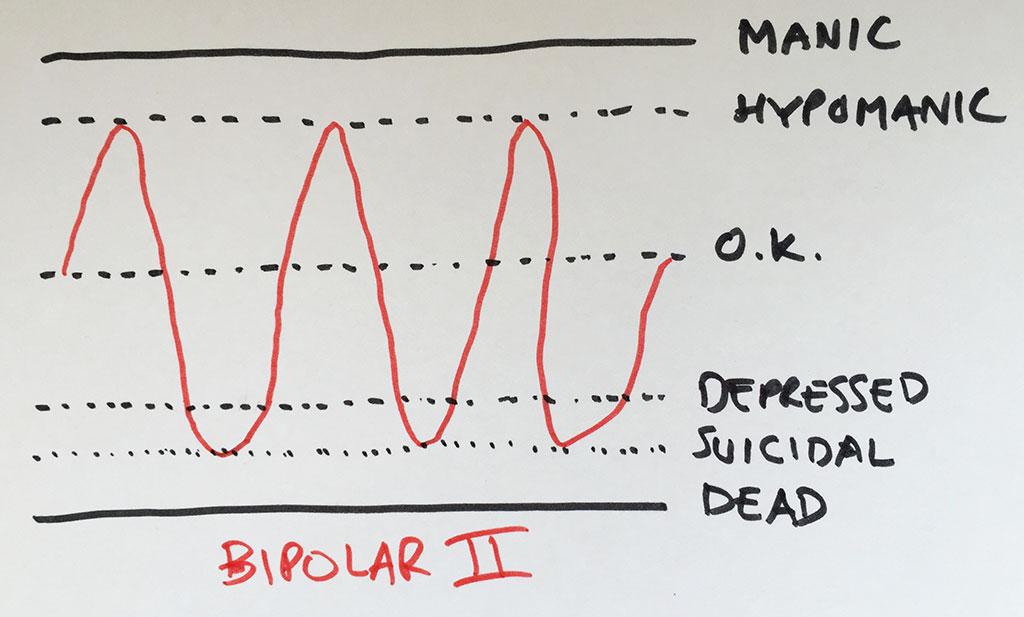
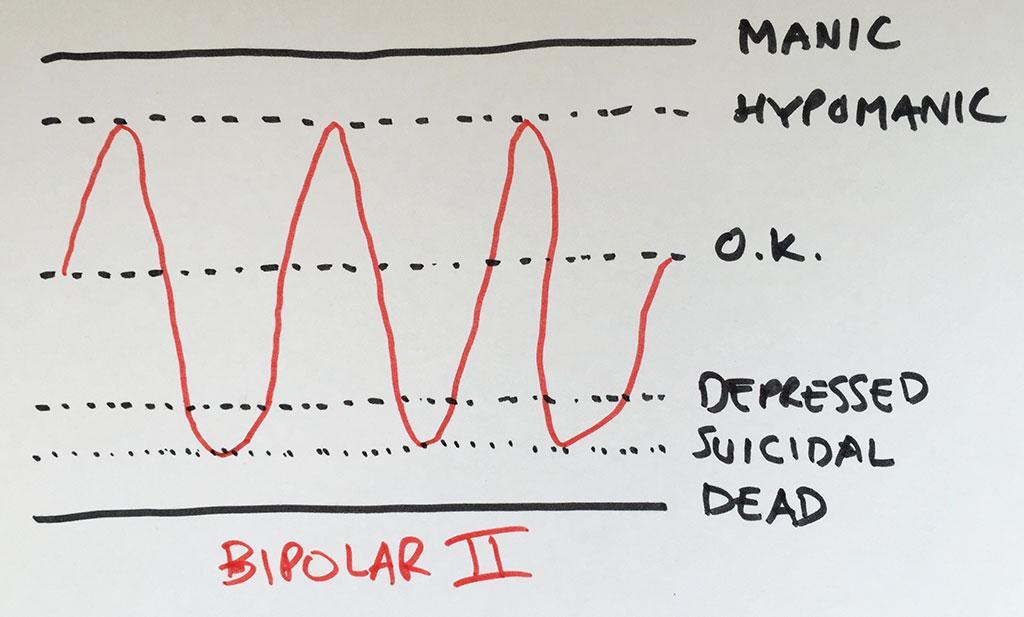
    I sure as hell have a mood disorder. I’m suicidally depressed a lot of the time, but I also have periods of extremely high productivity. Sure, I’m very good at managing my condition, such that my friends and colleagues don’t really know I’ve got a major mental health problem, but it doesn’t mean it’s not causing me any difficulties, despite appearing symptom-free.

    I suppose the main problem I’m dealing with is the risk to my life. Being suicidal so often is pretty dangerous, and it’s landed me in hospital – in intensive care and high dependency wards – a whole bunch of times. Still, I don’t want to be medicated. If I die, I die. I’d rather not have the side-effects of powerful psychiatric medications.

    Did I mention how functional I am?

    Until I’m not.

    I can cruise along just fine for very long periods of time, but then I crash. I always crash. Crashing is inevitable.

    I don’t think medication is the solution to the crashes. “Mood stabilisers” do not do what they claim to be able to. In fact, “mood stabilisers” can be highly destabilising, as I’ve found many times from bitter and unpleasant experience.

    Certainly, anti-depressants are destabilising, always pushing me manic or at least hypomanic. I want them – obviously – because it’s so horrible to be suicidally depressed all the time, but I know they’re too destabilising and will cause my life to become chaotic and unmanageable.

    So, I struggle along with commonly available mind-altering substances, like alcohol, which is a dreadful substance but I’ve become very experienced with using it to limp along through life.

    I’m persevering with so-called “clean living” where I use a number of techniques to achieve more mood stability, naturally. I keep very strict bedtimes. I keep very strict meal times. I eat a balanced diet. I exercise. I limit my alcohol intake. I avoid all drugs and medications. It seems to be a winning formula. Also, money. Having plenty of money, a low-stress job and secure housing, are all very important pieces of the puzzle. If any one single thing is wrong, it throws my world into chaos and instability; it makes me unwell.

    It’s pretty dull really, the current story of me and my bipolar. Things are kinda under control and the things I’m doing to keep myself stable are – by design – super boring.


    Tags:

  • Insane in the Office

    This is a story about vacation…

    Pixelated

    It’s been pretty much four whole months since I saw my colleagues face-to-face in the office. As the lockdown wore on, my hair got longer and longer. Working from home, I’ve tended to wear scruffy clothes instead of wearing a smart shirt. These things make a big difference.

    Business attire is important. There are plenty of useless idiots in the working world, commanding high salaries simply because they wear a nice suit. Wearing the right clothes is an effective way of getting people to respect you and to value you, and your opinion. Without the visual cues of the business attire, people can only judge you based on what you say and what you do, which they are hopelessly under-qualified to do.

    Being face-to-face is important. So much of nonverbal communication – such as reading a room, or looking for body language – is useful to know if you’re rubbing somebody up the wrong way, and therefore to know whether to back off; to let something drop.

    In the office, a vast amount of the working day can be eaten up by simply moving around the building – looking for meeting rooms, walking to the toilet, walking to get a sandwich, walking to get a drink – plus there’s a lot of opportunity for ad-hoc chats with colleagues. At home, I’m alone with my thoughts for most of the day. I’m incredibly bored. When we have a meeting I’m desperate to talk to somebody; so isolated and lonely.

    At the office, if I’m acting a bit strangely, somebody can have a quiet word in my ear. “Is everything OK?” they can ask, kindly. At home, nobody really checks in on me; there’s no human connection.

    I’m so bored.

    I get through all my work so quickly, because there isn’t enough to do, and I’m alone with no distractions.

    The autumn, winter and spring are going to be incredibly hectic, stressful and high-pressure, so I’m keen that the workload should be managed effectively; expectations have to be set appropriately. I find myself being very forceful, trying to protect myself and my colleagues from being overwhelmed; overstretched. I push back hard on the insidious scope creep; the relentless push to overpromise and underdeliver; an army of soft-skilled fuckwits saying yes to everything because they’re yes-men; people-pleasers who don’t actually have to do the work themselves – it won’t be them who have to work late into the night and over weekends in order to deliver the undeliverable. Nobody thanks you when your project is late, you don’t deliver everything you said you would, and the quality is atrocious.

    I should stop caring.

    Not my circus, not my monkeys.

    I should just take the money and keep my big mouth shut.

    It doesn’t make sense to rock the boat. I should be diplomatic. I should smile and take the money, and ignore the problems; ignore the disaster that’s brewing. I know it’d be better for my bank balance to just keep my mouth shut.

    It’s difficult. My mental health is not compatible with office jobs working for huge organisations, but it’s easy money. It’s a LOT of easy money. Hard to turn down that kind of money, even if it’s toxic to my mental health.

    I haven’t taken any time off since the start of the year. I have been working as hard as I possibly can. I just want this atrocious period – of financial insecurity – to be over.

    When you’re going through hell, keep going… and go as fast as you can!

    I opt for ripping off the sticky plaster as quickly as possible; a short sharp shock.

    Except this isn’t short and sharp… it’s prolonged.

    Interminable.

    I’m not sure what I’d do with time off anyway. UK citizens are not exactly welcome in a lot of places, given that our nation is riddled with deadly disease. I hate travelling alone.

    I do need some time off though, before I have a breakdown; before I get too sick to work. It’s strange, my mental health is very bad, but I’m still very productive. I assume that I’m very difficult to work with at the moment though, but I don’t really know, because I don’t get any feedback; I don’t have normal interactions with anybody. I’m completely isolated and losing my mind.


    Tags:

  • Habit

    This is a story about routine…

    Laptops

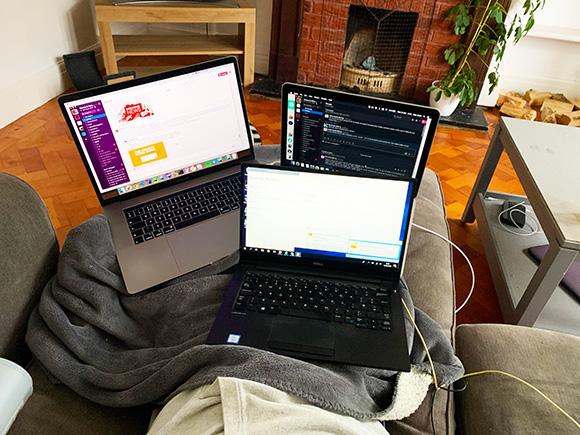
    Despite the chaotic – and often traumatic – backdrop to my life, during the past 5 years… I have still managed to write on a very regular basis. I’ve written from a hospital bed on multiple occasions. I’ve written from a psychiatric ward on multiple occasions. I’ve written when I’ve been dreadfully sick – both physically and mentally – and I’ve documented the path I’ve taken, from near-bankruptcy and destitution, to stability.

    It might not look very healthy, but it is – my writing is a healthy habit.

    I skipped writing over the weekend because I was busy. That’s OK. I’m allowing myself to skip the occasional day when I’m busy. I’m not going to force myself to write every single day, without fail.

    I have decided that I need to get into the habit of writing fewer than 700 words – it’s a limit which forces me to be a bit more focussed on what I want to say, and discourages me from aimlessly rambling. Given that I mostly just write my stream-of-consciousness, it makes sense to create an artificial limit, because my thoughts are unending.

    As I have repeated oftentimes before – ad nauseam – I am aiming to try to be more forward-looking, and to not dwell in bitterness and regret from the past; to not wallow in my life’s misfortunes and my shitty childhood.

    I can tell you for certain that I WILL NOT be writing any kind of “things I’m grateful for” vomit-worthy rubbish. Of course I have things I’m grateful for, and I have a great deal of perspective – I know I’m fortunate in many ways – so I don’t need or want to have to write down all those things; it’s pretty boring.

    I’m glad that my skin isn’t all peeled off and dipped in salt and acid. I’m grateful my eyes haven’t been gouged out by rusty spoons. I’m grateful that my penis hasn’t been cut off and stuffed in my mouth…

    No.

    I spend a significant proportion of my day reading the news, and whenever I see starving African children – etc – then I think “poor starving African children. We should improve the living conditions for human beings”. I do not think “I’m glad I’m not a starving African child” because that’s just sociopathic. Obviously it’s better not to be a starving African child, but I’m afraid I’m cursed with enough empathy to think “we should improve things” as opposed to “I’m so grateful other people’s lives are so shitty”.

    My routine consists of lying in bed reading the news, a shower, feeding the cat, reading the news, catching up on anything I missed at work, reading the news, work, meetings, reading the news, work, lunch, reading the news, work, meetings, work, reading the news, writing, dinner, reading the news, speaking to friends on the phone, watching documentaries about human suffering, social media, sleep… repeat.

    As you can see, I read a lot of news.

    I do not watch any TV.

    I’m certain that I would be happier if I replaced some of that news reading with socialising, but my routine is predictable and somewhat in my control. The only thing I can’t control is the human suffering which I see in the news, but I do care and I do what I can – from the confines of my routine – to improve the lives of humanity. Mostly, I do a lot of thinking about the suffering of humanity, but don’t mistake me for somebody who doesn’t care and doesn’t do anything. The emotional labour is exhausting; the mental labour is exhausting. This shouldn’t be underestimated.

    Of course I want to change my routine. I want to exercise more. I want to socialise more. I want more excitement; variety. However, the routine gives me a great deal of stability, and the stability gives me health and wealth. Stability is very important to me, having had so many years of chaos and trauma.

    My routine is important.


    Tags:

  • Sick Of The Sound Of My Voice

    This is a story about verbal diarrhoea…

    Boardroom

    It doesn’t take a lot to trigger somewhat uncontrollable hypomania in me – lack of sleep, general exhaustion, stress, anxiety, unusual circumstances, the company of people who I need to impress, a rare opportunity to make a contribution to something important… all these things contribute to my ability to shut the fuck up being severely compromised.

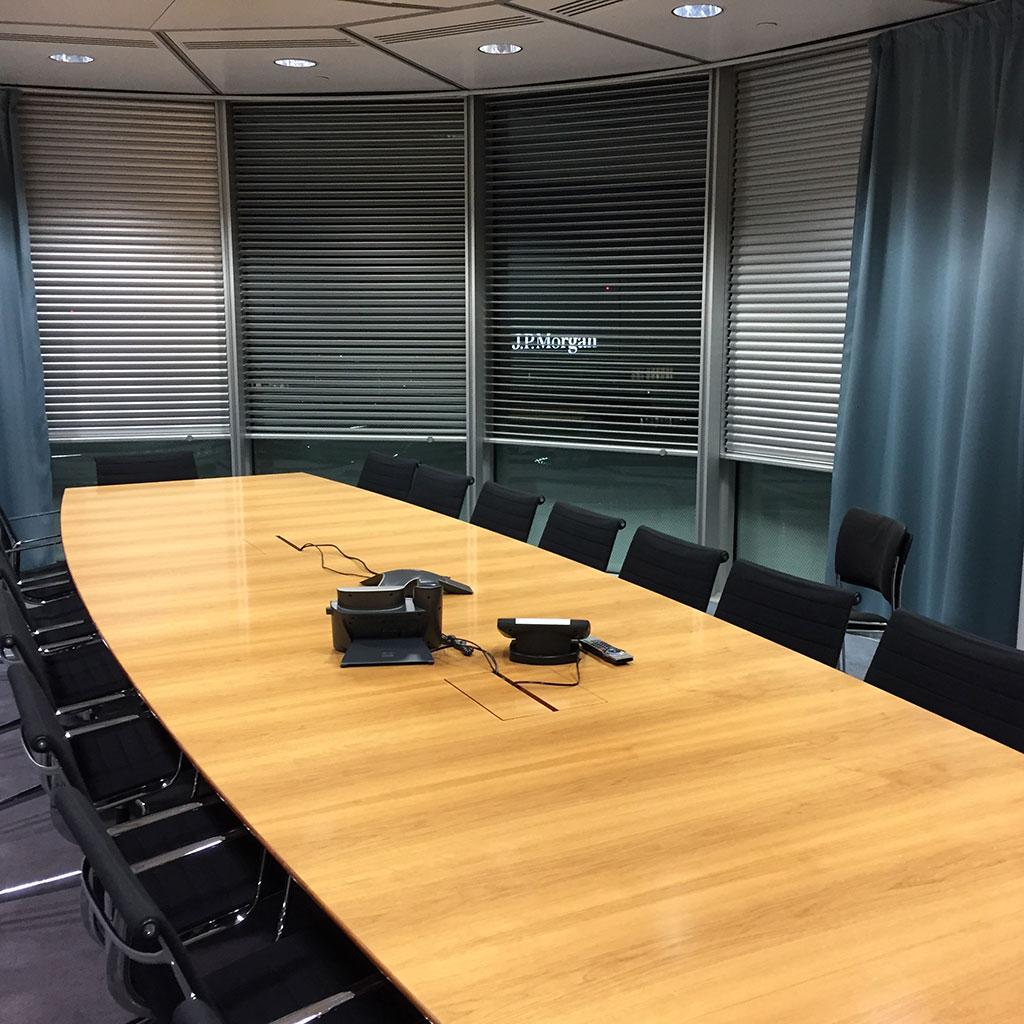
    On an incredibly regular basis, during an away-day with colleagues to discuss strategy for an important project, I told myself firmly that I had been speaking far too much, and that I must keep quiet. It’s not that I didn’t have anything useful, valuable and with merit to say. The problem was that I was by far the most heard voice in the room and my contribution was disproportionate. I wouldn’t say it was hard for others to get a word in edgewise, but my colleagues were far more hesitant and considered, and it’s probable that the more shy and retiring types failed to speak, when they might otherwise have had their say, if I hadn’t been present.

    In many ways, it was a terrible idea that I should have attended the away day. My profile in the organisation I’m currently working for is already sufficiently elevated, and I’m well respected. There was no need for me to put my head further above the parapit. Nobody likes a blabbermouth, especially in a large organisation where there might be some individuals whose original optimism, energy and gusto has been eroded over many years of long service, leaving them a little jaded and disengaged: it’s just a job, and they’ve long-since lost the drive and determination to change the world, which they had before joining the working world.

    I’m not sure what the extent of the disaster is, having confirmed in no uncertain terms to the most influential and important people on a major project – which I was hoping to be heavily involved in – that my presence is quite overbearing; I am far too outspoken.

    I hope that I’m rescued somewhat by the fact that, as a consultant, it’s my job to volunteer an expert opinion. Surely, if I sat quietly nibbling on biscuits and sipping sparkling water, not saying very much, then I wouldn’t be a very good consultant.

    Of course, my bipolar disorder presents major difficulties in the rather tame, mild-mannered and extremely slow-moving environment of a giant organisation. The speed with which I form thoughts and communicate well-articulated ideas, is somewhat of a steamroller. I’m well aware that nobody wanted to spend a day locked in a meeting room, listening to my hypomanic ranting.

    By good fortune, I spent the journey home with three colleagues who were subjected to my hypomania for the whole day, and the atmosphere was pleasant. On the final leg of the journey, I was alone with a colleague who I very much like and admire, and I imagine that there was time for him to perhaps say something, if my behaviour had been outrageously egregious, to the point that I had caused a major problem.

    Alas, I don’t really have any objective view on anything. I have colleagues who like and respect me, who might have a quiet word in my ear if I was in danger of overstepping the mark, but in the whole gigantic organisation where I currently work, I only have one friend, colleague and confidante, who I think would report back to me any words of warning, if I was being a royal pain in the ass, and widely disliked. I can’t be certain, but I hope that person would say something to me, if they heard my name was mud.

    On the basis of my own perceptions, I have embarrassed myself and my mask has slipped: surely my colleagues are in no doubt that I have a mental illness, which causes me to suffer periods of racing thoughts and pressured speech, where I cannot shut the fuck up and pipe down. I fear that I have used up all the goodwill and damaged a reputation which took a very great deal of time and effort to accumulate, in the space of a single hypomanic day.

    I note that my adored, respected and admired colleague, who I work more closely with than anybody else, has been somewhat irritable since that day, where perhaps I embarrassed them, seeing as it was them who invited me along as their guest.

    Who really knows? Who knows how well received a person with bipolar disorder really is in a big organisation? Us bipolar people are certainly revered and adored when there are tight deadlines and we are hyper-productive, but we are also surely hated when we are far too outspoken and full of manic energy, when others are just wanting to plod along, getting on with business as usual.

    For now, everything seems OK, but I have no idea how much I’ve damaged my reputation, and more importantly, my popularity and the perception that my colleagues had of me; previously as a competent and capable highly productive member of the team, but now perhaps simply as an unhinged madman and pain in the ass to work with.


    Tags:

  • World Mental Health Day and World Homeless Day 2019

    This is a story about annual events…

    Hampstead Heath

    I sometimes forget that I have a 1.3 million word repository of 4 years of my life documented in exquisite detail. Given that I have chosen to manage my mental illness – bipolar disorder – without medication, it’s extremely useful to have everything written down. Memories are easily corrupted. It’s easy to romanticise the past. Past traumas can be forgotten. Pain fades from memory. By having everything stored digitally like this, it’s easier for me to avoid getting stuck in a cycle of boom and bust; making the same mistakes again and again.

    Mental illness combined with some dreadful circumstances which exacerbated the problem, like an abusive relationship followed by an inevitable divorce, plunged my life into utter chaos. I was homeless and slept rough. I was sectioned and kept in secure psychiatric institutions. I very nearly lost everything.

    Today is both World Homeless Day and World Mental Health Day. The two things go hand-in-hand, but the choice of day was a coincidence, I expect, although ironically it’s quite apt.

    There is a powerful relationship between mental health and other problems, such as being able to work, having money problems, having relationship problems, homelessness, drug abuse, alcohol abuse, self harm, suicide and crime, amongst other things. To say that drug addiction causes mental health problems, for example, is a mistake of confusing correlation and causation. To say that mentally ill people are more likely to become homeless is a mistake of cause and effect. As you might imagine, not having a secure, dry, affordable, pleasant place to live is toxic to good mental health – how can anybody be expected to have any kind of sense of wellbeing when one of their most basic needs is unmet or under threat?

    We might dismiss housing concerns, believing that local councils and “the government” ensures that nobody goes homeless, but it’s lazy and ignorant to believe that housing is not the number one concern of people in crisis. The root of all problems is not mental health or drugs, or Brexit… it’s housing.

    The proportion of people’s wages spent on rent or mortgage payments, has steadily risen, while wages have fallen in real terms. Vast numbers of people are on zero hours contracts or work in the ‘gig economy’. Unemployment figures do not tell the real story: millions of people live under constant threat of eviction; homelessness.

    Do I really have to spell this out?

    Living with the constant threat of losing your home is incredibly stressful.

    People are working all the hours they can to try to make ends meet, and they are still only one or two missed paycheques away from being chucked out onto the streets. One hiccup and they’ll be homeless. Living with that kind of daily threat creates intolerable anxiety.

    If you put somebody under an enormous amount of pressure and stress, for a very long period of time, it will negatively affect their mental health. It’s inevitable that the lack of affordable housing in the areas where there are job vacancies, would create a mental health epidemic.

    In London, where there are the most jobs, the housing is also the most expensive, over competitive and overcrowded. Yes, there are lots of jobs in London, and they’re better paid than elsewhere in the UK, but the housing is terrible quality and massively overpriced, plus there are heaps of people competing for the few place to live, and the nice places to live are virtually unattainable except for the mega-rich.

    Where I currently live, I pay a fraction of what I used to pay in London, and I have a lot more space, but when my contract ends I will struggle to find another one nearby – there simply aren’t as many jobs in the area, hence why far fewer people want to live here and why the cost of living is lower.

    This is capitalism in action. This is supply and demand. Capitalism is maximising how much money it can extract from our pockets, before we all go insane and/or kill ourselves. Capitalism is highly efficient at creating the maximum misery, in its pursuit of the maximum profit. Capitalism is not about freedom or choice. Capitalism is about the immoral destruction of human lives, in order to deliver relentless ‘growth’ at the expense of our quality of life.

    I’m one of the lucky ones. I have emerged from that dreadful chaotic period of mental illness and homelessness, and I now enjoy a reasonable standard of living, but I am painfully aware of how insecure my existence is; how quickly I could be turfed out onto the streets again. I’m acutely aware that my mental health cannot be taken for granted, and the pressure to keep earning vast sums of money, month after month, to line the pockets of an idle capitalist, is incredibly toxic to my mental health.


    Tags:

  • Harsh

    This is a story about being horrible to people…

    Hand wash

    One of my bosses, from 18 years ago, has been a source of inspiration. He is – or at least he was when I knew him – one of the bluntest, rudest and most intimidating people you’d ever be likely to meet. I have never aspired to be rude, mean or to treat people badly, but I don’t suffer fools gladly and I get rather impatient and intolerant of the hard-of-thinking.

    It struck me that I had written quite a lot that could be misconstrued as harshly critical of my colleagues. I wanted to address that.

    Firstly, I do suffer from bouts of delusions of grandeur, as a result of my bipolar disorder. I can quite often, during episodes of mania, decide that I’m a virtuoso; a genius. There’s little to burst my bubble, in terms of evidence, in that I can easily point to multiple great achievements throughout my career, and I haven’t yet been defeated by a technology challenge. This means I’m good but not necessarily great. I have no idea what the distinction is, but my brain tells me that I’m great when I’m in one of those moods. In fact, my brain tells me I’m the best and in the absence of another person who makes me feel inferior, it’s hard to deflate my ego and get my rampaging delusions of grandeur under control. I’m sure that I’m not the smartest person in the room but without concrete evidence to the contrary, I can get carried away.

    It sounds like I’m making excuses; blaming my mental illness. Well, I do try to stay humble and keep some perspective. I do try to stop my head from swelling too much; stop my ego from getting out of control.

    Secondly, I’m under a lot of pressure. Work is not just a job to me – it’s an opportunity to prove that I’m not a no-good waste-of-space washed-up has-been useless junkie alcoholic homeless bankrupt mentally ill enemy of society. If I can prove beyond all reasonable doubt that I can make a substantial, exceptional contribution to a major project, then I will have a massive achievement to point to as proof that I have some worth, which will help my self-esteem enormously.

    Thirdly, I’m equally capable of being a “dull-eyed dim-witted brain-dead zoned-out zombie trudging along with the herd”. I’m equally capable of becoming demotivated and just turning up for the paycheque. I’m equally capable of doing a half-assed job. I’m totally capable of being very unproductive. I can spend forever procrastinating; not producing anything useful. When I make disparaging remarks, I’m not criticising individuals – I’m criticising the dreadful effect that working in a big organisation has on people, in terms of robbing them of any opportunity to learn, develop and get passionately involved in a project where they feel like they can make a difference.

    I do see incompetence, which annoys me, but the people who I am angry with are the highly paid consultants who claim to be experts, but are clearly a waste of money. It annoys me that I work with brilliant graduates and rubbish consultants, when the graduates are so underpaid, which is unfair. It annoys me that I have to waste my time cleaning up mess made by people who should be the best of the best. It annoys me that I have to do extra work, because of a highly paid consultant’s incompetence, when the organisation and the team really would be much better off without them.

    When my brain gets accelerated up to top speed, I can be incredibly productive, but I can also be incredibly mean. I start to believe that I can do everything myself and that everybody else is just an annoyance; a hinderance. That’s wrong. That’s a symptom of my illness. I do need my team. I do need other people. I am glad to have my colleagues… well, most of them anyway.

    I can say all sorts of stupid regrettable things when I’m suffering an episode of mania. I can be really mean and harsh when I’m in full swing. I really hope that nobody’s suffering too badly when they feel the sharp end of my tongue. I really hope none of my colleagues are reading this and thinking that I believe they’re useless idiots, because the truth is that I think almost all my colleagues (with the exception of one or two aforementioned overpaid consultants) are brilliant people who I’m really lucky to work with.

    I know that it doesn’t matter how much of a brilliant engineer you are, if you can’t get along with people then your skills are useless. People with amazing technology skills are plentiful, but the valuable ones are the people who place nice with others. I know I struggle at times, and I really hope I haven’t done too much damage and that my colleagues can forgive me.


    Tags:

  • Highly Effective Lunatic

    This is a story about productivity…

    Mood swings

    What’s the difference between somebody who delivers a big complicated project, and somebody who just has a job? It’s pretty easy to just turn up at work and do what you’re told. It’s not hard to stay on top of your responsibilities and not get fired. In fact, it’s pretty easy to go above and beyond; to exceed expectations. Offices are full of very dull and un-dynamic unimaginative and highly impractical people, who couldn’t organise a proverbial piss-up in a brewery.

    Unfortunately, people who’ve delivered any kind of big complicated project are hard to find. We are no longer a nation of people who built our own houses, or have finished other complicated tasks. We are a nation of dull-eyed drones, trudging along with the herd – living dead; zombies. The nature of work deskills us, demotivates us and makes us stupid. The nature of big organisations discourages innovation; discourages risk taking; discourages effort and enthusiasm. What are the transferrable skills which an organisation is giving you? Zero. Nobody needs you to make spreadsheets and PowerPoint presentations. Nobody needs you to send emails. Nobody needs what your company does. Most jobs are utter bullshit.

    Occasionally – very occasionally – the paper-pushers take a break from their interminable meetings, because they have been talking for far too long and there’s not actually very much time left before a hard deadline, when something tangible actually has to be delivered, and then they panic. The people who don’t do anything or know anything realise that they’ve left it far too late, so they scramble to find those few sought-after people who do know things and can create real tangible things.

    The problem with being asked to deliver a great big complicated project without enough time to do it, is that it’s pretty depressing and demotivating. Even if you have the skills, you’re probably not going to be very enthusiastic about embarking upon a fool’s errand. Nobody is going to thank you for delivering a project late, and nobody is going to allow you to have more time to do it, but very often you will have no other choice than to work on a project which is doomed from the very outset.

    Invariably, big complex projects are doomed to be late, and utter failures.

    This is where lunatics come in.

    Assuming an 8 hour working day, it would appear as though the limit on productivity is 3 times more – 24 hours. So, assuming that a team has to be 5 times more productive, it’s impossible for them to deliver, because there aren’t enough hours in the day. However, lunatics seem to be able to be at least 5 times more productive in an 8 hour day.

    Of course it’s impossible for anybody to work 24 hours a day for any length of time, but it’s quite possible for a lunatic to work 16 hours a day for a hefty period. If you combine the lunatic’s higher productivity with longer hours, then suddenly you have somebody who is 10 times more productive than your average dull-eyed brain-dead zombie drone. This is how big complicated projects get delivered, despite impossible deadlines.

    There’s a cost to the mental health of anybody who has to work, repeatedly, under such stress and strain. The boom and bust nature of it; the hopelessness of the situation followed by the jubilation of success, after so much slogging away against the odds, takes its toll on a person. It’s not at all good for a person to be subjected to such extremes, but it’s good for organisations and so it’s celebrated and encouraged – the people who can pull off the delivery of big complicated projects are highly rewarded and much in-demand, even when they’re a little shop-soiled and driven mad by the exercions they’ve suffered.

    I woke up very depressed this morning. I’m depressed because I’ve delivered the project I was working on and it’s working really well. I’m depressed because all my hard work paid off and the project is a big success. I’m depressed because the desperate race to have everything finished by the deadline is over – things were delivered on time. The pressure is off. The project is pretty much over. That’s depressing.

    It shouldn’t be depressing, but it is. When you get yourself into that mode where you’re working 16 hours a day and you’re 10 times more productive than the dull-eyed brain-dead zoned-out zombie corpses who trudge along doing very little, then it’s hard to adjust when the deadline is reached and the project is successfully delivered.

    If I was in a better financial situation – more secure – then I might take some time off to rest and recuperate, but I have to keep earning a huge amount in order to get into a decent situation, in order to catch my breath. I can’t stop and think about what’s best for my health and wellbeing. I don’t have that luxury.

    I just have to hope that another huge challenge comes along, so that I can avoid sinking into a massive depression which will ruin everything; all my hard work wasted.


    Tags:

  • Step Three: Rinse & Repeat

    This is a story about repetition…

    Bottles

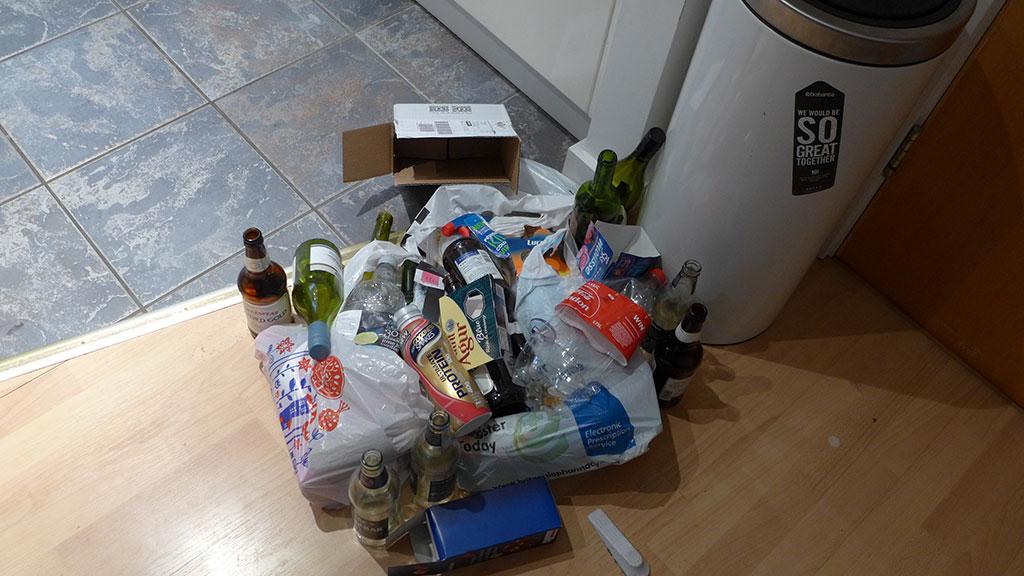
    Drug addicts and alcoholics know a lot about relapses. What dreadful consequences they suffer when they fall off the wagon. Am I immune from such things? Am I the first person in the history of humanity to outsmart addiction? No. Of course not.

    Readers who have followed any of my story might wonder if I’ve started drinking again, or have become addicted to sleeping pills again. No. No I have not.

    I went to the supermarket yesterday – a big fancy supermarket with lots of lovely things to choose from – and it was difficult to stay away from the alcohol aisle, but not impossible. The whole point about being an alcoholic or an addict is that you’re powerless over the substance(s) that you’re abusing. I do not offer my successful self control as evidence of my immunity to addiction and alcoholism, but it does prove that I’m in control, which cannot be said of those unfortunate wretches who are in the grip of active addiction and/or alcoholism.

    Rehabs are full of charlatans who claim that they have a magic cure for addiction and/or alcoholism, but all recovery comes from within – how bad do you want it? I’m not saying that those who are killed by their addiction and/or alcoholism didn’t want to be clean and sober, but they clearly wanted to be drunk and high more than they wanted to avoid their inevitable demise, or else they wouldn’t have died. Unfortunately, the self-reinforcing draw of addictive substances can overpower the best of us, and although I do view addicts and alcoholics as “victims” of a disease, it’s also demonstrably clear that people who have no problems with drink and/or drugs – including those people ‘in recovery’ – were simply lucky enough that the scales were tipped marginally in their favour.

    My life has potential which would be churlish to deny. It’s not fair for me to say “everything is ruined so I give up” when clearly I have high earnings potential, and with money comes opportunities to escape a miserable life and get a better one. Sure, I can get overwhelmed and decide that I don’t have any energy left to keep fighting, and I would quickly be wrecked and ruined by our over-competitive coercive and exploitative society, which would dearly love to trample me underfoot, but I stand a better chance than most people of escaping the rat race.

    Yep, I cheated a couple of times this week. I used a sleeping pill on a couple of nights to help me force my sleep pattern into the one which capitalism demands. I used a sleeping pill to combat the incredibly negative side-effects of social jetlag, caused by the toxic demands of office hours, contrary to human health and welfare.

    Did I relapse? Nope.

    What does relapse even mean for me? I’ve never been an alcoholic.

    What does relapse mean in terms of mental health episodes? My mania-driven achievements are widely celebrated and cheered on by the capitalists who’ve been assisted by my immense productivity, which has been almost superhuman, but has come at great personal cost. My mental illness has been on public display for many years, yet my paymasters don’t care because I’m delivering the goods – so long as I keep up the successful results, my violent mood swings are tolerated, and the results of my manic episodes are highly prized by all involved, especially by those who provoke me into doing high-pressure projects with unrealistic deadlines.

    I hope – eternally – that the repeating patterns are not on a downward trend. I attempt to learn from each mood cycle, and to hold onto the gains and not give up so many losses. I try to limit the downright outrageous negative consequences of unrestrained mania, and I try to fight through the devastating depression that follows, forcing myself to keep inside the artificial constraints of some reasonable tramlines, knowing that it will be ultimately beneficial for me and help me to escape from the boom and bust… most importantly to escape from the bust!

    Self medication with the occasional sleeping pill is infinitely preferable to routine intoxication with copious amounts of alcohol, although it’s easy to convince myself that neither has any long-term ill effects, clearly my health will suffer if I drink heavily on a regular basis, even if my wealth and professional reputation are not impacted.

    It’s all a bit boring really. Uneventful. I’m very good at putting one foot in front of the other, I just don’t like it very much, especially when going on a journey I’ve done a million times before. There’s not much pleasure left in renting a house, moving my stuff, starting a new job, impressing new colleagues or delivering a project which is exactly the same as every other project I’ve ever delivered in my long and illustrious career. I just do it for the money.

    Some might accuse me of being a dry drunk but they are idiots. Every day that I struggle through the rat race puts a significant amount of pounds, shillings and pence into my pocket. Every day that I force myself to do the intolerable shit that I have to put up with, is a large step closer to freedom. I have no need to adopt a significantly different life at the moment, because the life I have is staggeringly lucrative, which unfortunately means that it’s the quickest route to financial independence and housing security, which is the most important thing for my health and wellbeing.

    Sobriety between now and the end of October is something quite welcome – it will help my health immensely. Working between now and the end of my contract, on Halloween, is something that will help my wealth immensely. It’s incredibly dull and boring, but it’s got to be done. It’s easy, but it’s repetitive. When was the last time that you put up with a shit job that you hated? Probably never. When was the last time you spent years doing boring, repetitive, easy stuff? Probably never. You just wouldn’t put up with it.


    Tags:

  • Step One: Don’t Buy Any Alcohol

    This is a story about non-linear progress…

    The Bridge

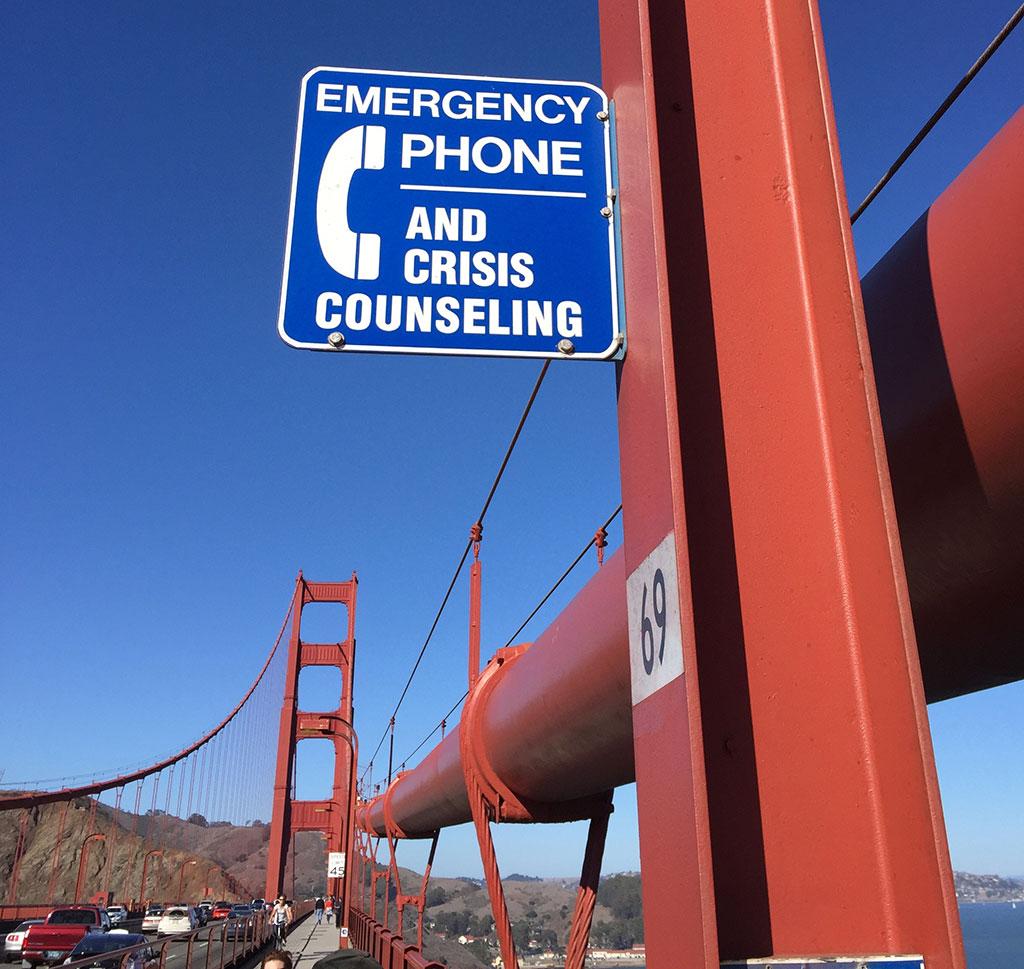
    Don’t worry. I didn’t buy or drink any alcohol. I just thought that step one should be repeated, because it’s an important one. Why not make it step 3 and have 13 steps? Well, I thought it would be more like reality to have to repeat steps. In real life, we never follow steps one after the other – we have to go back and re-do things. It’s snakes and ladders, although without the comforting knowledge that eventually you’ll reach the finish, providing you keep rolling the dice.

    Today has been surprisingly hard. Today I was supposed to feel the benefit of not drinking, but I didn’t. I have been tormented by poor concentration span and anxiety today, which is an awful combination. I thought I was going to have to skip work because I wasn’t feeling very well. I thought I was going to have to go home early, because I was feeling exhausted. I’m glad the working day is over.

    I started thinking about how long it takes to feel like progress is being made. How long does it really take before a good lifestyle and health decision delivers any noticeable benefit?

    A long time.

    Sometimes I do a good job of setting my expectations, and sometimes I’m over-optimistic. Thinking back to when I was swallowing copious amounts of sleeping pills and tranquillisers, and I had a foreign holiday impending, it seemed impossible that I’d be able to quit all those addictive medications in order to be able to travel abroad. I must have suffered a great deal, but also I know that I dealt with that problem very quickly and I managed to get free from those addictive pills, and to enjoy my holiday free from medication. As well as quitting those medications I also quit alcohol, went on a diet and lost some weight.

    How on earth did I achieve all that?

    At the moment, I’m managing to stay off alcohol, but I’m not managing much else. Sure, I’m still medication-free, but I’m comfort eating like crazy, by way of compensation. I know that I’m only a few days into my current mission to improve my health and appearance, but I feel like somehow I should be feeling a lot better.

    I suppose for every 10 days of bad choices, it’s gonna take 5 days of living a healthy life to pay back that debt. I had gotten into some super bad habits in the last month, so it’s bound to take at least a fortnight before I feel any benefit, I imagine.

    My perceptions are all messed up. I’m tormented by thoughts of doom and disaster, particularly around my reputation at work – having screwed up and said something dumb and unprofessional – and my prospect of getting a contract extension or another local gig. I’ve started to feel overwhelmed: that the stress of it is too much to bear, and that I won’t be lucky… my hard-won gains will all be eaten up but the relentless demands of rent, bills and other expenses, until I’m plunged back into homelessness and financial ruin.

    I am aware that I’ve swung from feeling like I’ve been making a valuable contribution, that I’m good at my job, and feeling OK about things (have I ever really felt that though?) to now feeling that I’ve undone all my hard work, and that everything’s doomed to fail after the end of October, when my current contract ends. I had been thinking that I would be able to persuade the organisation I’m currently working for to take me on directly, and I would buy my way out of a contract clause which prohibits me from working for the organisation. I had been thinking that I had a sensible and straightforward way ahead, but now I’m thinking that everything is ruined: the organisation doesn’t want me anymore, my reputation is ruined, nobody will want me, and I’ll soon run out of money and end up homeless and penniless again.

    To have such an extreme swing of mood and perception must be due to a combination of alcohol and bipolar disorder.

    I’m aware of this, but I still feel these feelings so strongly, that it’s hard to be rational.

    Anyway, I’m going to carry on with sobriety, because I know it’s good for my health and my waistline.


    Tags: